







Understanding the Price Surge
The cost of essential packaged milk products has seen an upward revision across India, impacting household budgets. Major dairy brands like Amul and Mother
Dairy have implemented price adjustments affecting a range of milk varieties, including full cream, toned, cow's milk, buffalo milk, and premium options. This increase, reportedly ranging from Rs 1 to Rs 2 per litre for some brands, means consumers will need to allocate more for this daily staple. For instance, a 1-litre pack of a popular full cream milk might now cost Rs 70, up from Rs 68, while other sizes and types of milk have also seen corresponding price hikes. These revised rates became effective from May 14th, following circulars issued to distributors and transporters around May 13th, signalling a shift in the affordability of conventional milk for many families.
Sesame Seeds: A Tiny Powerhouse
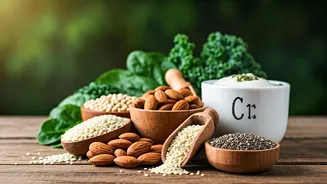
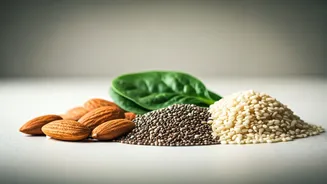
Sesame seeds offer an impressive calcium content, boasting approximately 975 mg per 100 grams, making them a significant contributor to bone health. These small seeds are not only rich in calcium but also provide essential minerals like phosphorus, magnesium, and zinc, which are crucial for enhancing calcium absorption and maintaining bone density. They can be used in diverse culinary applications: toasted and sprinkled over salads and savory dishes (sabzis), ground into a flavorful chutney, or incorporated into smoothies and yogurt for an added nutritional boost. Their crunchy texture and nutty flavor make them a versatile addition to Indian cuisine, supporting both taste and well-being.
Ragi: The Calcium Champion
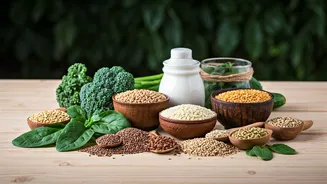
Ragi, also known as finger millet, stands out as an exceptional source of calcium, offering between 350-400 mg per 100 grams. This ancient grain is a cornerstone for strong bones and teeth. Beyond calcium, it supports muscle function and nerve signaling, vital processes for overall bodily health. Ragi's versatility allows it to be a central part of a healthy diet; it can be prepared as a warming porridge for breakfast, transformed into wholesome rotis, dosas, cheelas, or fluffy pancakes. Its inclusion in daily meals provides a substantial and easily accessible calcium boost, making it a practical choice for individuals seeking to bolster their intake.
Chia Seeds: Nutrient-Dense Gems
Chia seeds are another remarkable alternative, delivering around 631 mg of calcium per 100 grams. A mere two tablespoons of these seeds can provide approximately 177 mg of calcium, accounting for about 18% of an adult's daily requirement. Their benefits extend beyond bone and tooth strength; they actively aid in muscle function and nerve signaling. Furthermore, chia seeds are rich in magnesium and phosphorus, minerals that play a key role in ensuring the body efficiently absorbs calcium. Their unique texture and nutrient profile make them an excellent addition to various dishes, enhancing both nutritional value and digestibility.
Amaranth Leaves: Leafy Greens
Amaranth leaves provide a substantial amount of calcium, ranging from 200-300 mg per 100 grams, positioning them as a valuable leafy green alternative. These vibrant leaves can be prepared in numerous ways to contribute to a calcium-rich diet. They are commonly used to create flavourful 'saag' or 'sabzi' (vegetable dishes), offering a nutritious side to meals. Amaranth leaves also blend well into 'dal' (lentil preparations) or soups, enriching their nutritional content. Additionally, they can be incorporated into paratha dough, adding a healthy twist to flatbreads. Their inclusion offers a diverse way to consume essential minerals, supporting bone health through familiar Indian culinary practices.
Dried Figs: Sweet & Nutritious
Dried figs present a naturally sweet and calcium-rich option, containing about 260 mg of calcium per 100 grams. To maximize their benefits and digestibility, it is recommended to soak them overnight before consumption. Peeled after soaking, they can be enjoyed in various ways: added to desserts, oatmeal, smoothies, or shakes for a boost of sweetness and nutrients. They can also be transformed into a delicious chutney. Their fiber, potassium, and antioxidant content further contribute to digestive health and cardiovascular well-being, making them a wholesome addition to one's diet beyond their calcium contribution.
Almonds: Crunchy Calcium Source
Almonds are recognized for their contribution to bone health, providing approximately 162 mg of calcium per 100 grams. This calcium content is instrumental in supporting the strength and integrity of bones and teeth. Beyond calcium, almonds are a good source of dietary fiber, potassium, and antioxidants, all of which are beneficial for promoting healthy digestion and supporting heart function. Their satisfying crunch and rich flavor make them an appealing snack option, and they can also be incorporated into various meals and preparations to enhance their nutritional profile and add a pleasant texture.