





Choosing Your First Scope
For those new to the wonders of the night sky, selecting a first telescope can seem daunting. However, focusing on accessibility and ease of use is key.
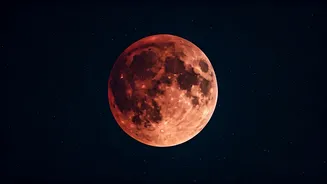
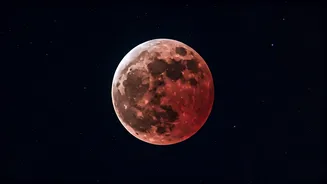
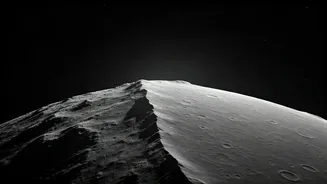
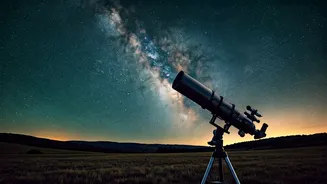
Beginner telescopes, often priced under $250, offer a fantastic entry point for observing lunar details like craters and the phases of Venus. Models such as the Celestron FirstScope and the Celestron 76mm Firstscope Apollo 11 Edition are popular choices due to their straightforward operation and portability. These instruments are designed for quick setup, allowing you to spend more time observing and less time fiddling with equipment. When considering a purchase, particularly around sale events like Black Friday, prioritize scopes that provide a bright, clear view without overwhelming complexity. Many introductory models come with basic accessories, making them a complete package for nascent stargazers eager to explore the universe from their backyard.
Avoiding Common Errors
Beginning stargazers often encounter a few common hurdles that can dampen their enthusiasm. One frequent mistake is choosing a telescope that is too powerful or complex for their current skill level, leading to frustration. It's crucial to understand that a larger aperture doesn't always mean a better experience, especially for beginners. Another pitfall is neglecting the importance of a stable mount; a shaky telescope makes observing difficult and can ruin the view. Improper alignment, often referred to as collimation, can also degrade image quality. Many beginner telescopes require minimal collimation, but understanding the basic principles ensures you get the sharpest possible images. Finally, setting realistic expectations is vital. While you won't see galaxies in the same detail as professional observatories, even basic telescopes can reveal the rings of Saturn and the moons of Jupiter, offering a profoundly rewarding experience.
Enhancing Your Viewing
To truly get the most out of your stargazing adventures, consider a few key enhancements beyond the telescope itself. While many beginner telescopes come with basic eyepieces, investing in a few higher-quality ones can significantly improve your viewing experience. Different focal lengths allow you to magnify celestial objects to varying degrees, enabling you to explore details. For instance, a good set of eyepieces can make observing the craters on the Moon or the cloud bands of Jupiter even more breathtaking. Equally important is understanding the night sky itself. Utilizing star charts or astronomy apps can help you identify constellations, planets, and other celestial phenomena. Learning to navigate the sky will transform your stargazing from a passive activity into an active exploration. Even simple tools like a red-light flashlight, which preserves your night vision, can make a significant difference during late-night observing sessions.