






The Samosa Calculation
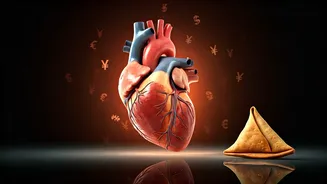
A popular ₹20 samosa, consumed daily for 15 years, accumulates to a personal expense of ₹90,000. Cardiologist Dr. Shailesh Singh highlighted this by comparing
it to an angioplasty cost of ₹3 lakh, framing the consumption of unhealthy food as taking out a loan on one's arteries at an astounding 400% interest. This perspective suggests that the perceived savings from frequent unhealthy snacks are dwarfed by potential future medical costs. The doctor's analysis sparked widespread discussion online, with opinions ranging from agreement to questioning the direct correlation and the specific cost of medical procedures. Some users pointed out that the issue might be the type of oil used or that the problem extends beyond samosas to other processed foods, while others expressed concerns about 'fear-mongering' and the accuracy of the figures presented.
Arterial Health Impact
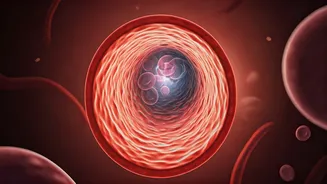
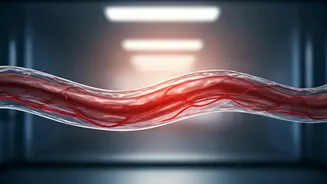
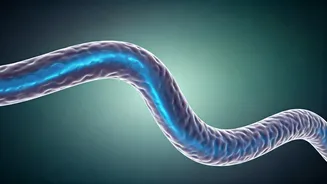
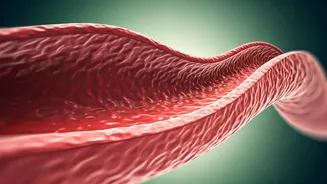
Dr. Parin Sangoi, a consultant interventional cardiologist, clarified that the concern isn't merely about a single samosa but the broader dietary pattern it represents. Consuming fried and processed foods regularly leads to a cumulative detrimental effect on our arteries. Each serving can contribute to the buildup of cholesterol, trigger inflammation, and induce oxidative stress within the vascular system. Over time, this process hardens the arterial walls, increases blood pressure, and disrupts the balance between 'good' and 'bad' cholesterol, all of which can ultimately result in narrowed arteries and reduced blood flow to the heart. Conversely, a diet rich in fiber, antioxidants, fruits, and vegetables helps maintain the elasticity and health of the endothelium, the inner lining of arteries. Every meal serves as a message to the cardiovascular system, either promoting healing or causing damage.
Modern Lifestyle Choices
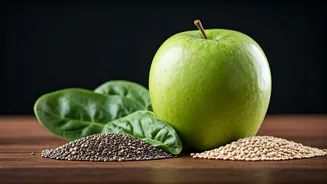
The demands of contemporary working life often lead individuals to miss regular meals or rely on quick, convenient, fried food options. Dr. Sangoi emphasizes that convenience should not compromise health. Making small dietary adjustments, such as choosing roasted snacks over fried ones or incorporating fruits into daily meals, can significantly benefit long-term well-being. Furthermore, he highlights the often-underestimated roles of adequate hydration, moderate physical activity, and mindful eating as crucial preventive measures for maintaining heart health. These simple, conscious choices play a vital role in mitigating the risks associated with an unhealthy lifestyle.
Heart Disease Prevention
Alarmingly, heart disease is no longer confined to older age groups, with a notable increase observed in individuals as young as their 30s. This trend is attributed to a confluence of factors including chronic stress, insufficient sleep, and poor dietary habits, creating a 'perfect storm' for cardiovascular issues. Dr. Sangoi stresses that prioritizing heart health is not about restriction but about self-respect. The choices made today directly dictate the future health of one's heart. Therefore, adopting a proactive approach to diet and lifestyle is essential for preventing the early onset of heart disease and ensuring a healthier future.