




Electromagnetic Magic Below
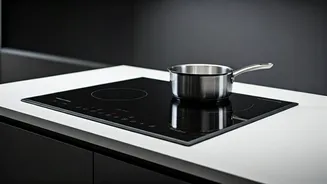
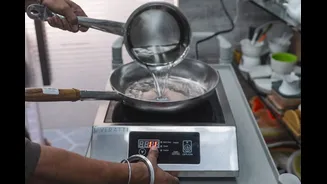
Unlike traditional stovetops that use open flames from gas combustion, induction cooktops operate on a completely different principle. At the core of an
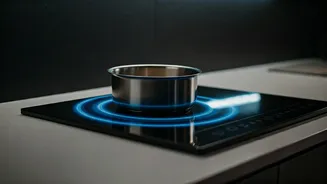
induction surface lies a coil of copper wire. When you switch the appliance on, an alternating current flows through this coil, generating a fluctuating magnetic field that extends upwards. This invisible field passes through the smooth glass or ceramic surface of the cooktop with ease, meaning the surface itself doesn't get hot from this process. Any warmth it does acquire is merely from residual heat transferred from the cooking vessel. This is a significant departure from gas stoves, which lose a considerable amount of heat to the surrounding environment.
The Pan's Magnetic Role
The key to induction cooking lies in the material of your cookware. Not all pots and pans are suitable for an induction hob because the technology relies on ferromagnetic properties. This means materials like cast iron or certain types of steel are ideal because they readily respond to magnetic fields. Often, only the base of the cookware needs to be made of these magnetic materials, a feature commonly marketed as an 'induction base.' This magnetic interaction is crucial because it allows the pan to become the direct source of heat. Without this specific metallic property, the magnetic field from the cooktop won't be able to induce the necessary currents within the pan to initiate cooking.
Eddy Currents at Play
Once a compatible ferromagnetic pan is placed on the active induction cooktop, the fluctuating magnetic field generated from beneath induces electrical currents within the base of the pan itself. This phenomenon is a direct application of Faraday's Law of Induction. These induced currents, known as eddy currents, are the direct cause of heat generation. The metal pan effectively acts as a conductor within the magnetic field, and these rapidly swirling electrical currents begin to flow. It's this internal generation of electricity within the cookware that allows for rapid and precise heating, bypassing the need for a direct flame or heated surface.
Friction Creates Heat
The magic doesn't stop at inducing currents; the subsequent conversion of this electrical energy into heat is where the cooking truly happens. Metals, especially those used in cookware, possess an inherent electrical resistance. As these eddy currents flow through the atomic structure of the pan's base, they encounter this resistance. This interaction creates a form of electrical friction, transforming the kinetic energy of the moving electrons directly into thermal energy, or heat. This process is governed by Joule's Law of Heating, which quantifies the heat produced based on the current, resistance, and duration. Notably, the impact of current on heat generation is squared, meaning even small increases in current can lead to significantly higher temperatures.
Efficient Energy Transfer
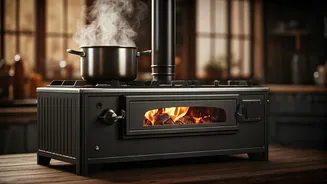
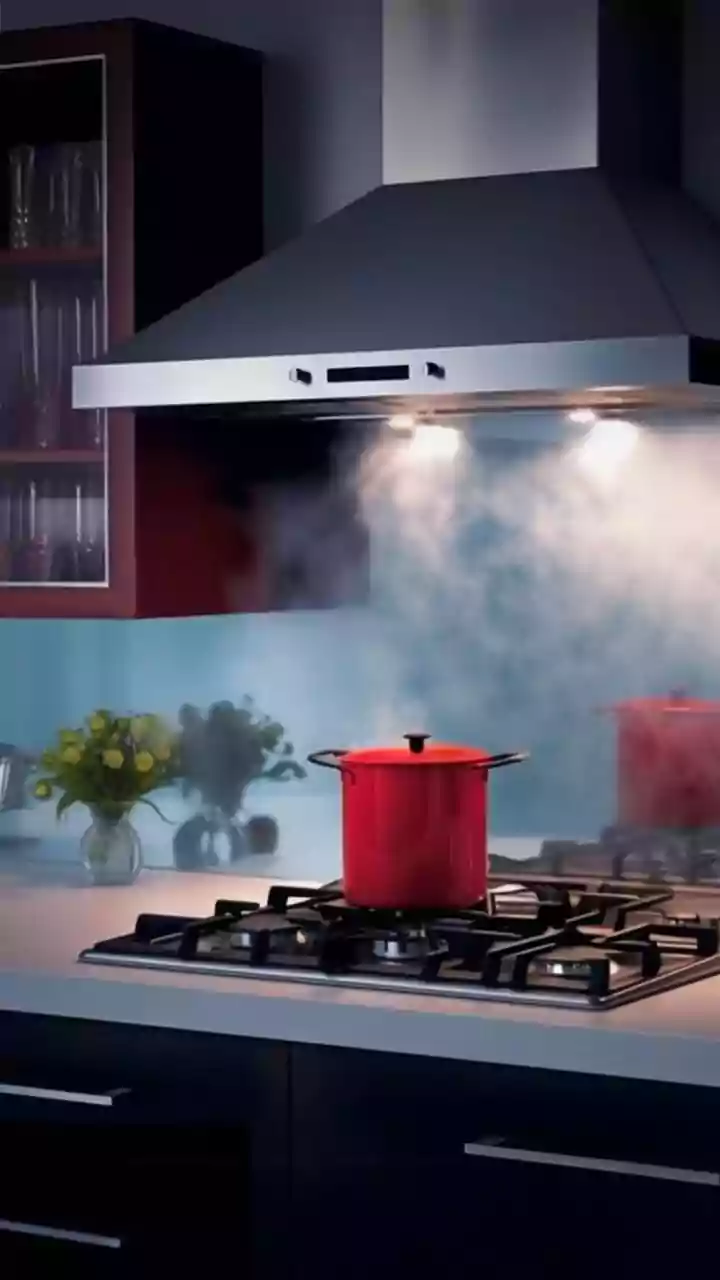
Because the induction cooktop's energy is channeled directly into the cookware itself, the efficiency of heat transfer is remarkably high. Induction cooktops are capable of converting approximately 85% to 90% of their electrical energy into cooking heat. This is a stark contrast to traditional LPG stoves, which typically operate at an efficiency of only 40% to 50%. A significant portion of the heat from a gas flame is lost to the surrounding air. Induction cooking, however, precisely targets the heat to the base of the pan, where it is most needed. This localized heating not only makes induction cooking faster but also inherently safer and a more sustainable alternative to fossil fuel-based cooking methods.