
Solar Maximum Explained
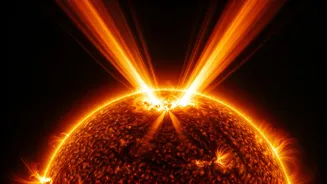
The spectacular light shows are connected to the sun’s activity cycle, a period known as the solar cycle. This cycle is approximately 11 years long, fluctuating
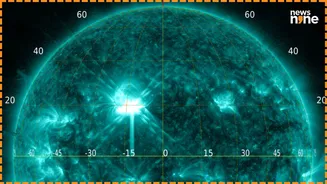
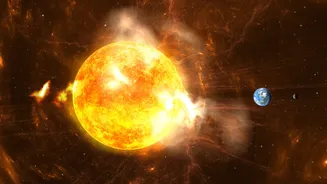
from periods of relative calm to times of high activity. When the sun is at its most active, the number of sunspots increases, which is called the solar maximum. During solar maximum, the sun releases a larger amount of solar flares and coronal mass ejections (CMEs). These events send charged particles towards Earth. When these particles interact with Earth's magnetic field and atmosphere, they create the beautiful auroras. In 2026, the solar cycle is anticipated to peak, which would mean that these auroral displays will happen more frequently and could be seen more vividly than normal.
How Auroras Form
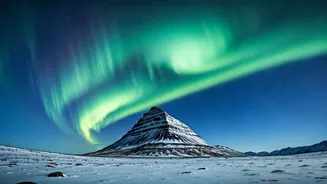
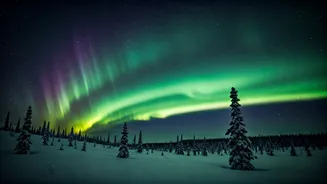
The auroras are a direct result of interactions between the sun's particles and Earth's atmosphere. When the charged particles from the sun, primarily electrons and protons, arrive at Earth, they interact with the planet’s magnetic field. This field directs the particles towards the polar regions. Once in these regions, the charged particles collide with atoms and molecules in the upper atmosphere, such as oxygen and nitrogen. These collisions excite the atoms, boosting them to a higher energy state. As the excited atoms return to their normal state, they release energy in the form of light. The color of the aurora depends on the type of gas involved and the altitude at which the collision occurs. Oxygen produces green and red lights, while nitrogen creates blue and purple shades. All these factors determine the beautiful hues of the aurora.
G2 Solar Storm Watch
The National Oceanic and Atmospheric Administration (NOAA) has issued a G2 solar storm watch. These storms are categorized on a scale from G1 to G5, with G5 being the most extreme. A G2 storm indicates a moderate level of geomagnetic activity. While a G2 storm might not cause significant disruption, it can still have noticeable effects. The storm's effects include the potential for auroras, but also some minor impacts on satellite operations and high-frequency radio communications. Geomagnetic storms like the G2 event show a clear link between solar activity and the natural phenomena on Earth. They are reminders of the sun's influence on the planet and its ability to create these visual spectacles. Despite their beauty, these storms carry possible risks to technology, but they also inspire wonder at the power of the natural world.
Where to Observe
The best locations to view the auroras are in the high-latitude regions, also called the auroral ovals. These ovals are typically centered around the North and South Poles. For those in the Northern Hemisphere, places like Alaska, Canada, Iceland, Norway, Sweden, Finland, and Greenland offer prime viewing locations. To maximize your chances of seeing the aurora, it's advisable to get away from city lights, as light pollution can obscure the display. A dark, clear night with minimal cloud cover is also essential. Checking the weather forecast and the aurora forecast before going out can help you plan your viewing. The aurora forecast provides information about the level of geomagnetic activity, helping you determine when and where the aurora is most likely to be visible.
The Best Timing
Besides the location and weather conditions, timing also plays a crucial role in aurora viewing. The best time to see the auroras is usually during the hours around midnight, when it is darkest. The aurora is often most active during the equinoxes—spring and autumn. This is because the Earth's orientation relative to the sun is most favorable, leading to higher solar activity. Moreover, the solar cycle has its own impact on the frequency and intensity of auroral displays. During the years of solar maximum, like the one expected in 2026, the aurora becomes more common. The increased frequency of solar flares and CMEs during this time means more charged particles are available to trigger auroral displays. So, 2026 can be a truly exceptional time for aurora viewing, as the combination of the solar maximum and favorable viewing conditions are likely to create a magnificent show.