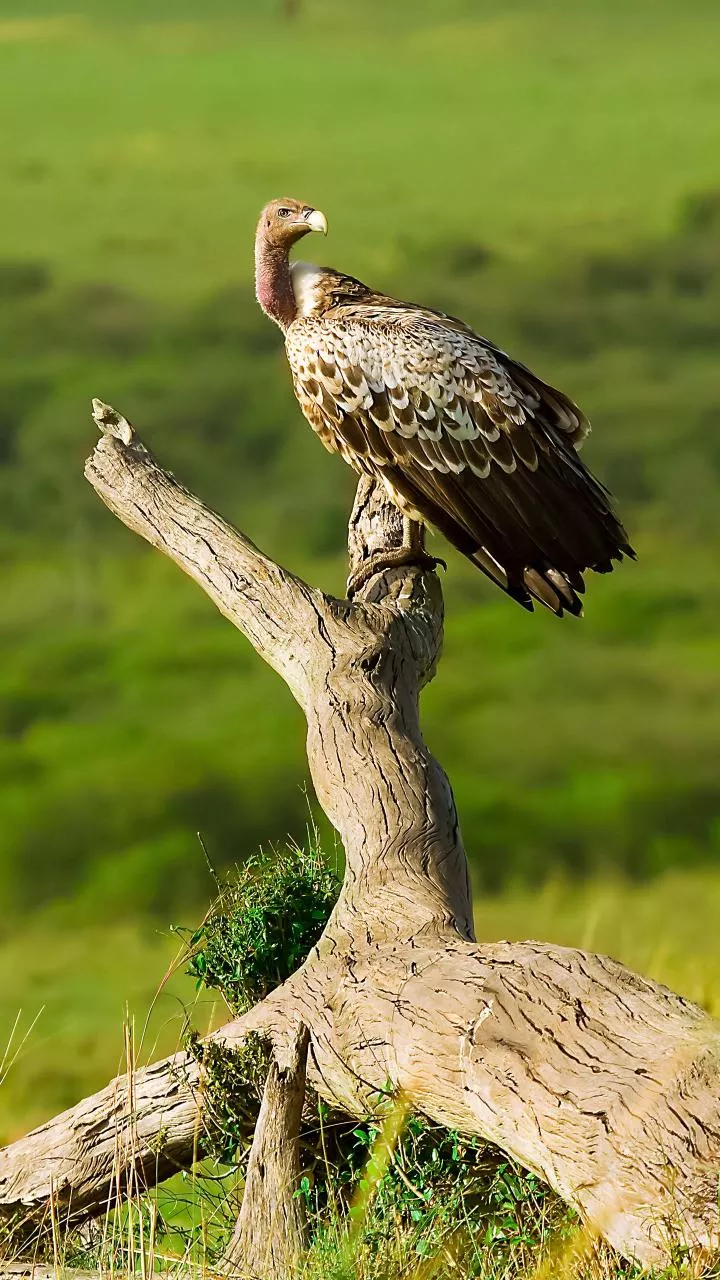







A Winter Gathering
Each year, a significant population of bald eagles chooses the icy terrain of northern British Columbia's mountains as their winter haven. This migration
sees hundreds of these majestic birds flocking to the region, creating a remarkable sight. They're not there by accident; the frozen landscape and the available resources present a unique set of circumstances that draw them in. The reasons for this migration are multifaceted, including the availability of food sources, the relatively milder climate compared to other locations, and the presence of open water, which is crucial for hunting and survival in the cold. This concentration of eagles highlights the importance of this specific habitat for their winter survival. It also presents an opportunity to study their winter ecology, their social behaviors, and their ability to thrive in challenging environments.
Food and Resources
One of the key factors driving this eagle migration is the availability of food. While the landscape is frozen, the eagles capitalize on the resources that remain accessible. Specifically, the eagles are attracted to the presence of spawning salmon in the rivers and streams. These salmon runs, despite the cold weather, offer a crucial food source for the eagles. The carcasses of the salmon provide a readily available meal, supporting their energy needs throughout the winter. Moreover, the open water present in parts of the region is critical. Even though the climate is frigid, some areas remain unfrozen, allowing the eagles to access their prey. These pockets of open water provide fishing opportunities, further contributing to their food supply. The abundance of food in these areas acts as a significant draw, making the frozen mountains of British Columbia a crucial feeding ground for these eagles during the winter months.
Environmental Influences
The environment itself plays a crucial role in shaping this winter migration. Compared to other areas, the northern British Columbia region offers a relatively milder climate, which is essential for the eagles' survival. The harshness of winter can be a significant challenge for these birds; hence, choosing a location with less extreme conditions proves advantageous. Factors like the presence of thermals also influence the eagles' ability to soar and search for food, making the region a preferred wintering ground. The availability of shelter is another important aspect. The mountainous terrain provides protection from the wind and harsh weather conditions, offering refuge and conserving energy. Moreover, the specific microclimates within these mountains can contribute to the eagles' comfort. The environment presents a delicate balance of factors that enables the eagles to survive and flourish in the challenging winter months. This includes not only temperature and wind, but also how these factors work together with the landscape.
Conservation Significance
The annual congregation of bald eagles in British Columbia highlights the need for careful environmental conservation. The eagles are a significant indicator species, and their presence in high numbers signifies a healthy ecosystem. The health of the salmon runs is particularly crucial. The availability of this food source is a direct measure of the overall health of the rivers and the surrounding environment. Their ability to access this food is also tied to the impact of climate change. Changes in the climate can affect both the timing and the volume of salmon runs. Therefore, conservation efforts focused on protecting their habitat and ensuring the sustainability of their food sources are essential. Supporting responsible forestry, preventing pollution, and protecting the rivers and streams are key steps. Efforts to reduce human impact on the ecosystem are also important, allowing future generations to witness this natural wonder.