






A Record-Breaking Attempt
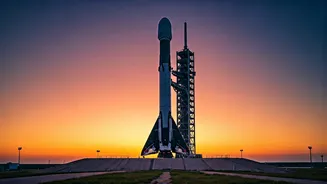
SpaceX is targeting an impressive 170 orbital liftoffs in 2025. This ambitious goal suggests a substantial expansion of operations compared to previous
years. Such a high number of launches would position SpaceX well beyond its previous accomplishments and substantially alter the space launch market dynamics. Achieving this target relies on various factors, including streamlined manufacturing processes, efficient launch site operations, and overcoming any potential technological and logistical hurdles. Successfully executing this launch rate would solidify SpaceX's leadership in the space industry and demonstrate its capacity for rapid and sustained expansion. It would also further reduce launch costs, potentially making space more accessible for scientific research, commercial ventures, and international collaborations. Achieving this goal underscores the company's commitment to pushing the boundaries of space exploration and establishing a robust and dependable launch infrastructure. This would also have significant implications for the aerospace and tech industries globally, affecting competition and innovation.
Challenges Ahead
While the target of 170 launches is incredibly ambitious, the path to achieving this goal isn't without its complexities. One major challenge lies in maintaining the reliability and readiness of launch vehicles, particularly the Falcon 9 and the Starship systems. Each launch demands rigorous preparation, thorough testing, and meticulous monitoring. The company must also secure the necessary regulatory approvals and licenses for such a high volume of launches. Moreover, the demand for launch services could potentially put a strain on SpaceX's workforce and infrastructure, demanding robust logistics, increased manufacturing, and highly skilled personnel to support the expanded launch schedule. The global supply chain also plays a crucial role. Any supply chain disruptions could potentially delay launch timelines. Overall, the ability to mitigate potential risks while keeping up with such an aggressive launch schedule will be essential to SpaceX's success in 2025. Successfully navigating these hurdles will be pivotal for maintaining the momentum of space exploration.
Industry Implications
The effects of SpaceX's ambitious launch plans go far beyond the company itself, touching multiple sectors of the space industry. A surge in launch frequency could lead to lower launch costs, potentially making space more accessible for various enterprises, research endeavors, and global collaborations. Increased launch opportunities might promote innovation, as a wider array of payloads, ranging from satellites to space stations, can be sent into orbit. SpaceX's focus on reusability and efficiency acts as a catalyst for other players in the space sector. This intensified competition could trigger further advancements in launch technology and drive down prices, benefiting both government and commercial clients. Moreover, SpaceX's activities can support space exploration, the deployment of next-generation communication networks, and the growth of space tourism. This would create opportunities for technological advancement and a boost in related areas such as manufacturing and aerospace engineering. Successfully executing this strategic plan could reshape the space launch market and promote a new era of space exploration.