







Movement Over Milestones
The prevailing notion of hitting precisely 10,000 steps daily as a universal fitness benchmark is being challenged by medical professionals. Orthopedic
experts emphasize that the true health benefit lies in consistent, mindful movement rather than rigidly adhering to a number. For individuals new to physical activity, initiating with a more attainable goal, perhaps between 3,000 to 4,000 steps, and progressively increasing this volume week by week, is a far safer and more sustainable approach. This gradual escalation allows the body to adapt, minimizing the risk of strain and injury. Furthermore, the type of footwear worn plays a crucial role; opting for shoes with adequate support and cushioning can significantly reduce the impact on joints. Conversely, thin sandals, worn-out athletic shoes, or footwear with hard soles can exacerbate stress. The walking surface also influences joint health, with softer tracks or park paths being less taxing than hard concrete or uneven urban pavements. Breaking up longer walks into multiple shorter sessions throughout the day can also offer a gentler experience for the body compared to one prolonged, potentially fatiguing excursion. Importantly, a robust walking routine should be complemented by strength training, as well-developed quadriceps, hamstrings, gluteal muscles, and core strength act as natural shock absorbers, providing essential stability for the knees and hips.
Women's Unique Needs
Women navigate a unique physiological landscape influenced by hormonal fluctuations and physical changes throughout their lives, which can impact joint stability and comfort. Dr. Shobha Gupta highlights that these hormonal shifts can alter ligament flexibility, potentially leading to increased joint vulnerability. Phases such as pregnancy, the postpartum period, and menopause, as well as significant nutritional deficiencies like severe iron deficiency, can affect energy levels and the inherent stability of joints. For instance, during pregnancy, the hormone relaxin is naturally released to facilitate childbirth by loosening ligaments, particularly around the pelvis and knees, which can increase susceptibility to strain. Consequently, rigid step targets can be counterproductive, turning a health pursuit into a source of pressure. A woman in postpartum recovery, for example, might derive more benefit from shorter, more frequent walks interspersed with adequate rest, rather than attempting extended treks. These considerations underscore the necessity for a personalized approach to physical activity, moving away from a one-size-fits-all step count.
The 10K Step Myth
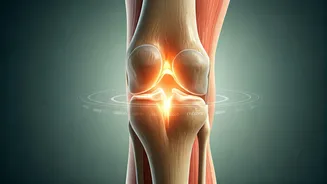
The widely popularized concept of achieving 10,000 steps daily, often celebrated by fitness trackers and app notifications, is increasingly being re-examined by medical experts. Dr. Akhilesh Rathi asserts that this figure is a myth and that the ideal amount of walking is highly individual, dependent on one's physical condition, joint health, and overall fitness level. While walking is acknowledged as one of the safest and most beneficial forms of exercise, forcing oneself to reach an arbitrary number can lead to detrimental effects. A significant analysis indicated that even approximately 4,000 steps per day can yield substantial health benefits, including a reduced risk of premature death, with these advantages increasing incrementally with higher activity levels. The critical issue arises when individuals, particularly those transitioning from a sedentary lifestyle, push their bodies to meet this demanding target without proper preparation. This abrupt increase in activity can overtax the knees, ankles, and lower back, especially for those with pre-existing conditions like obesity, arthritis, flat feet, or prior injuries. Experts caution against ignoring subtle signals from the body, such as persistent heel pain, knee swelling, or hip discomfort, which often signify an overuse injury rather than progress.
Safe Walking Habits
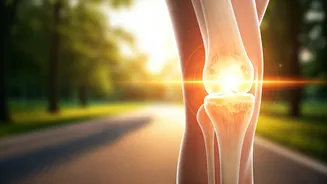
Prioritizing safe and effective walking habits is paramount for long-term joint health. Orthopedic specialists advocate for starting any new walking regimen gradually, suggesting that inactive individuals commence with a manageable number of steps, perhaps around 3,000 to 4,000, and then systematically increase this figure over subsequent weeks. This progressive overload allows the musculoskeletal system to adapt and strengthen without undue stress. The choice of footwear is another critical element; selecting supportive walking shoes that absorb shock and promote proper foot alignment is essential. Conversely, wearing shoes with thin soles, worn-out athletic shoes, or those with rigid construction can elevate the impact on joints. The terrain on which one walks also plays a role. Opting for softer surfaces like park trails or grassy areas over hard concrete or uneven pavements can significantly reduce the strain on knees and hips. To further mitigate joint stress, dividing daily walking into several shorter sessions rather than one extended walk can be more beneficial. Complementing walking with targeted strength training exercises is equally vital. Strong quadriceps, hamstrings, glutes, and core muscles act as crucial shock absorbers, stabilizing the knees and hips, thereby protecting them from excessive impact during locomotion. By integrating these practices, individuals can enhance their walking experience and safeguard their joint health for years to come.