





Artificial Intelligence Unleashed
Artificial Intelligence (AI) is rapidly evolving, moving beyond simple automation to complex problem-solving and creative endeavors. Machine learning algorithms
are becoming increasingly sophisticated, enabling AI systems to learn from vast datasets and make predictions or decisions with remarkable accuracy. This advancement is transforming numerous sectors, from personalized healthcare diagnostics to optimizing supply chains and developing autonomous systems that can navigate intricate environments. Natural language processing (NLP) has also seen significant leaps, allowing AI to understand, interpret, and generate human language, paving the way for more intuitive human-computer interactions and advanced conversational agents. As AI capabilities expand, ethical considerations and the need for robust governance frameworks become paramount to ensure responsible development and deployment, addressing potential biases and ensuring equitable benefits for society.
Biotechnology's Bold Strides
The field of biotechnology is witnessing a revolution, with groundbreaking developments in genetic engineering, synthetic biology, and advanced therapeutics. Techniques like CRISPR-Cas9 are offering unprecedented precision in editing DNA, opening doors to novel treatments for genetic diseases and enhancing crop resilience against environmental challenges. Synthetic biology aims to design and construct new biological parts, devices, and systems, or to re-design existing, natural biological systems for useful purposes, such as producing biofuels or novel pharmaceuticals. Furthermore, progress in personalized medicine, driven by advancements in genomics and bioinformatics, allows for tailored treatments based on an individual's genetic makeup, promising more effective and targeted healthcare outcomes. These innovations hold immense potential to address global challenges in health, agriculture, and environmental sustainability.
Space Exploration's New Era
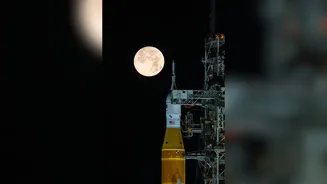
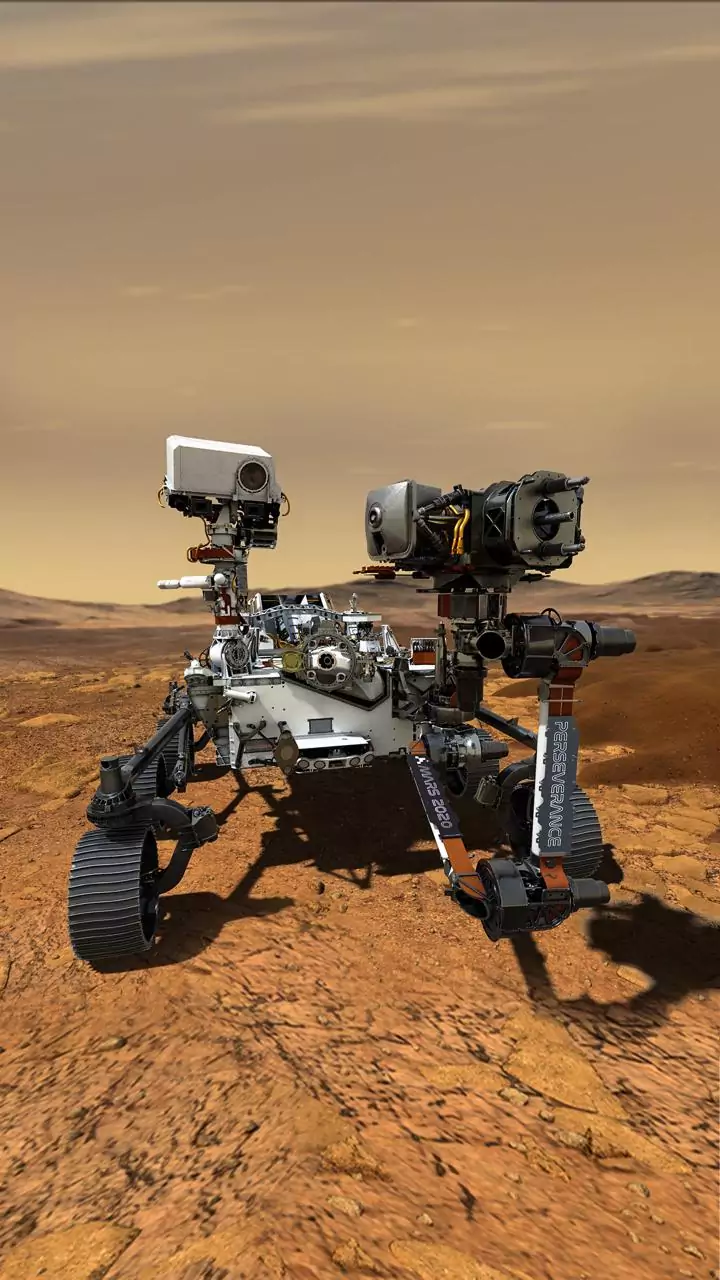
Humanity's reach into space is expanding at an unprecedented pace, driven by both governmental agencies and burgeoning private enterprises. Reusable rocket technology has drastically reduced the cost of space launches, making access to orbit more feasible and fostering new opportunities for scientific research, satellite deployment, and even space tourism. Missions are increasingly focused on understanding our solar system's origins and searching for signs of extraterrestrial life, with advanced telescopes and probes venturing further than ever before. The development of sustainable lunar bases and plans for crewed missions to Mars are no longer science fiction but active endeavors, promising to push the boundaries of human exploration and technological innovation. This new era of space exploration not only expands our scientific knowledge but also inspires future generations and drives technological advancements that can benefit life on Earth.