






Payload Launching Triumph
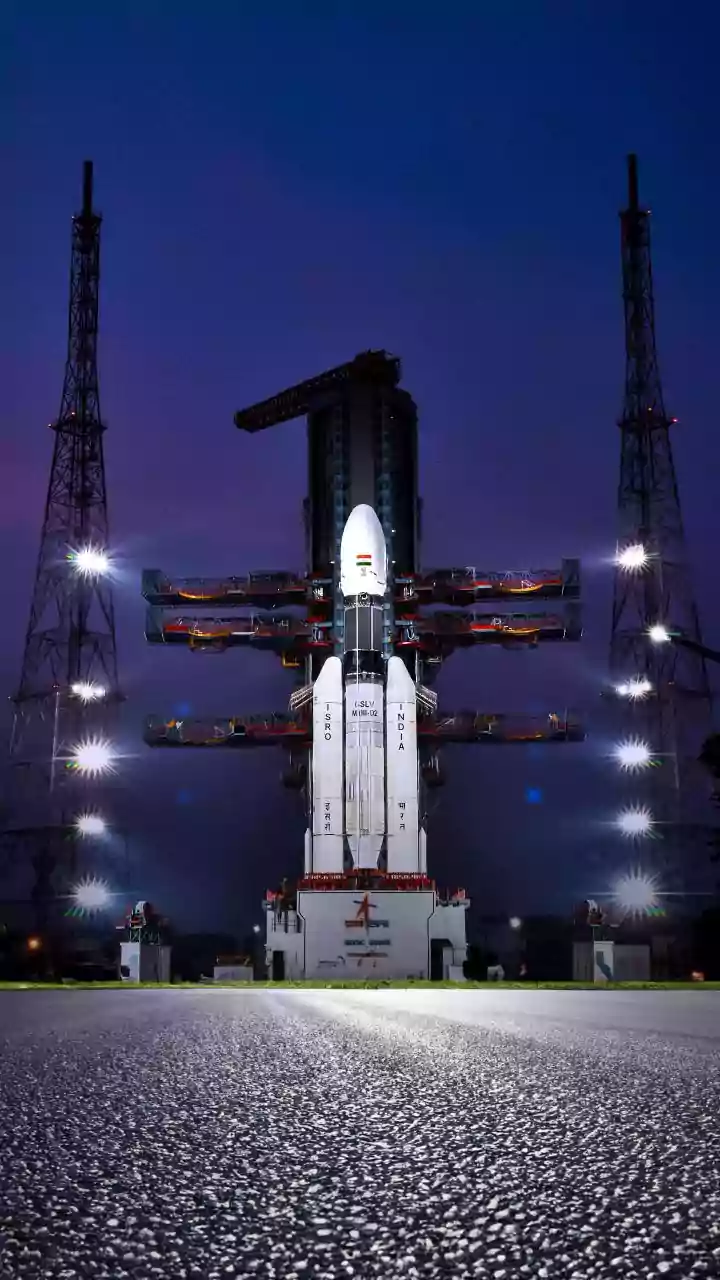
The LVM3 rocket, a workhorse for the Indian Space Research Organisation (ISRO), recently completed a remarkable launch. The primary objective was to deploy
the BlueWalker 3 satellite into Low Earth Orbit (LEO). This mission was not just another launch; it was a record-setting achievement, showcasing the rocket's capacity to lift heavy payloads. The successful launch highlights ISRO's advancements in rocketry and its increasing ability to support the deployment of large satellites, potentially facilitating further global connectivity through advanced satellite technology. This achievement underscores India's growing role in the global space market and its commitment to utilizing space for commercial and scientific purposes.
BlueWalker 3 Deployment
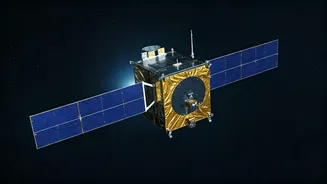
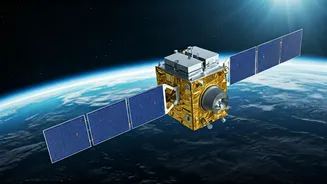
The primary payload for this LVM3 mission was the BlueWalker 3 satellite. This satellite is designed for enhanced communications, aiming to provide improved connectivity for various applications. Its deployment marks a crucial step in the advancement of satellite-based communication systems. The successful placement of BlueWalker 3 in LEO signifies ISRO's ability to support international commercial partnerships by providing reliable and efficient launch services. The launch of the satellite highlights the growing interest in space-based communication solutions and the increasing demand for advanced satellite technology. ISRO is now even better positioned to support the creation of a global communications network.
Heavy-lift Capabilities
The LVM3 rocket is known for its heavy-lift capabilities. It is designed to carry substantial payloads into orbit, making it suitable for launching large satellites and undertaking complex space missions. This launch demonstrated the rocket's ability to launch record-breaking payloads, solidifying its importance in ISRO's space program. The LVM3's capacity positions India as a significant player in the global space arena, offering reliable and cost-effective launch services. Its strength ensures the nation can deliver larger and more complex payloads, advancing scientific research, supporting commercial ventures, and boosting its presence in space exploration.
Mission Objectives Outlined
This mission was aimed at deploying the BlueWalker 3 satellite. The goals included the successful placement of the satellite into the designated orbit. This precise orbit insertion is a critical element for the satellite's operational performance, facilitating its communication capabilities. Another main purpose of the launch was to validate the overall system. The successful execution of these objectives underscores ISRO's expertise in mission planning, rocket technology, and precise orbit control, demonstrating its capability to handle complex and challenging space missions. The precise orbit will enable it to efficiently provide communication services, contributing to scientific advancement and international collaborations.
Future Implications Explored
The success of this LVM3 launch has extensive implications for ISRO's future endeavors and the broader space industry. It confirms India's capacity to handle complex space missions and increases its competitiveness in the global launch market. This accomplishment paves the way for further collaborative projects and technological advancements, supporting scientific research and contributing to space exploration. It also boosts confidence in the development of more advanced, heavy-lift rockets, improving India's ability to undertake ambitious future space missions. This mission strengthens India's global position in the space arena and enables the nation to aim for even more demanding and innovative projects.