




Pesticide Removal Breakthrough
Researchers at the University of British Columbia have pioneered a remarkable, biodegradable wash designed to tackle pesticide residue on fruits. This
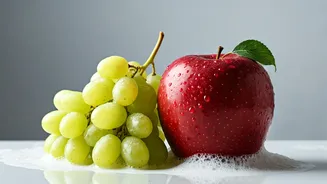
innovative solution has demonstrated an impressive ability to eliminate up to 96 percent of harmful chemicals from produce surfaces. Beyond just cleaning, it creates a protective, edible coating that significantly slows down the natural browning process and prevents excessive moisture loss. This dual action not only ensures safer consumption but also dramatically extends the period during which fruits like apples and grapes remain crisp and appealing. Given the escalating cost of food and the substantial amount of fresh produce that goes to waste globally each year, this development holds immense potential for both improving public health and mitigating economic losses within the food supply chain. The findings, detailed in the journal ACS Nano, represent a significant stride towards making fresh produce more accessible and reliable for everyone.
The Science Behind the Wash
The core of this groundbreaking fruit wash lies in its composition of minuscule starch-based particles, akin to those found naturally in everyday foods like corn and potatoes. These particles are combined with iron and tannic acid, a compound familiar for its presence in tea and wine, which contributes a characteristic astringency. When these components interact, they form intricate, sticky, sponge-like structures. These unique formations are highly effective at latching onto and extracting pesticide residues from the fruit’s exterior. To verify its efficacy, scientists conducted rigorous tests, applying common pesticides to apples at concentrations mirroring real-world agricultural practices. The results were compelling: this novel wash outperformed conventional methods like simple water rinses, baking soda solutions, or plain starch washes, which typically manage to remove less than half of the pesticide residues. The wash’s ability to physically bind and lift these unwanted chemicals marks a significant improvement in produce cleaning technology.
Extended Freshness Unveiled
Following the initial pesticide removal, the fruit undergoes a secondary dipping process, resulting in a thin, completely edible, and biodegradable film. This protective layer acts as a 'breathable second skin,' as described by the researchers. Apples treated with this coating exhibited markedly slower browning rates and retained significantly more moisture over a two-day period when stored in refrigeration. Even more impressively, whole grapes treated with the wash remained firm and visually appealing for up to 15 days at room temperature, a stark contrast to untreated grapes, which showed evident signs of shriveling within a much shorter timeframe. This enhanced preservation of quality is attributed to the coating's ability to maintain desirable characteristics like acidity and sugar content, ensuring that the fruit remains palatable and nutritious for extended periods.
Health and Economic Advantages
Beyond its primary functions of pesticide removal and extended shelf life, the innovative fruit wash offers several additional benefits. The coating has demonstrated antimicrobial properties, actively inhibiting the growth of potentially harmful bacteria, thereby contributing to enhanced food safety. Furthermore, the researchers have calculated that the amount of iron introduced by washing a medium-sized apple is minimal, falling well within the established daily upper intake limits for adults set by North American food regulatory bodies. This means that consumers can benefit from the added micronutrients like iron and phenolic compounds, which can contribute positively to overall health, without compromising safety. The formulation thus not only mitigates risks associated with pesticide exposure but also offers a potential boost in nutritional value, making produce a healthier choice.
Scalability and Future Vision
The researchers are optimistic about the potential for this fruit wash to be scaled up for widespread commercial use, citing the low cost of its ingredients and the simplicity of its formulation process, which primarily involves mixing with water. Currently, efforts are focused on refining the wash and conducting trials within fruit processing facilities to assess its performance in large-scale operations prior to distribution. Initial cost estimations suggest that applying this treatment would add approximately three cents per apple, a figure comparable to existing commercial coatings, but with the added advantages of pesticide elimination and extended shelf life. The team also envisions a consumer-friendly version, perhaps as a spray or dissolvable tablet, that individuals could use at home before washing their fruit. However, significant further research, regulatory approvals, and real-world testing across various fruit types and washing methods are necessary before such a product can be made available to the public.