


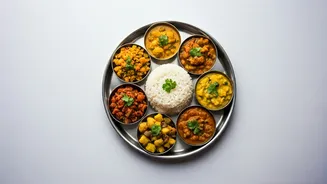
Millets: The Reborn Grain
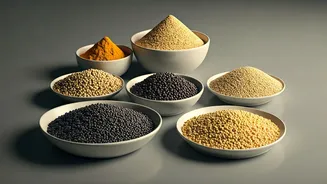
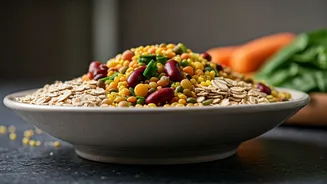
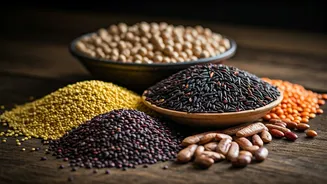
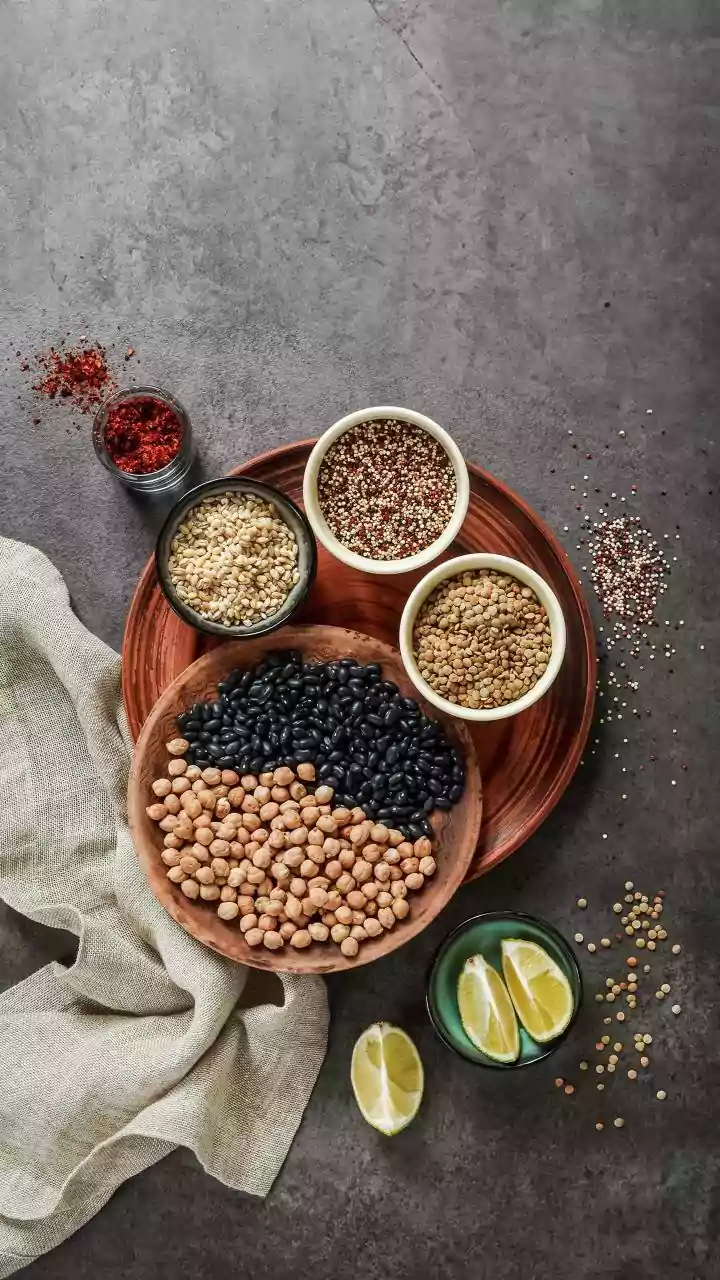
Before the term 'supergrain' entered common parlance, millets like bajra, jowar, and ragi were the bedrock of many Indian diets. These ancient grains were transformed
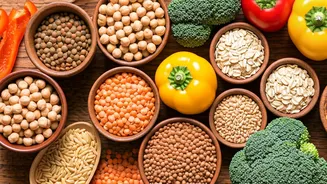
into rotis, porridges, and filling meals, providing sustained energy. Their decline coincided with the rise of polished rice and refined flour. Today, millets are experiencing a remarkable revival, lauded for their rich fiber content, essential minerals, and beneficial impact on blood sugar levels. This renewed appreciation mirrors the wisdom of older generations who instinctively understood their value, positioning them now as a 'smarter' grain choice rather than a mere alternative.
Jaggery's Sweet Return
Jaggery, or unrefined cane sugar, was the primary sweetener in many Indian households long before the ubiquity of refined sugar. It was ingeniously incorporated into warm beverages, desserts, post-meal treats, and warming winter dishes. Currently, jaggery is being championed as a 'natural' sweetener, appealing to those aiming to reduce their intake of processed sugars. This shift is unsurprising, given jaggery's distinctive, deep flavor profile, its rustic charm, and its inherent cultural familiarity that evokes a sense of wholesomeness, even independent of its nutritional advantages. Its resurgence is driven by a desire for sweetness that feels more authentic and less manufactured.
Curd: The Gut's Best Friend
For Indian kitchens, curd (dahi) has always been a fundamental daily component, never a fleeting trend. A serving of curd typically accompanied lunch, was mixed into rice, transformed into cooling chaas (buttermilk), or used to temper the body's heat. Its inclusion was based on familiarity and perceived effectiveness rather than fashion. Today, curd is recognized for its probiotic richness, specifically promoting gut health, bolstering immunity, and aiding digestion. While scientific validation is now more pronounced, the practice remains ancient. In countless homes, curd has consistently served as a soothing remedy after heavy meals, for digestive unease, or on sweltering afternoons, demonstrating that some foods require no reinvention, only rediscovery.
Makhana: The Light Snack
Fox nuts, or makhana, occupied a modest position in Indian culinary traditions for a considerable period. They were consumed during periods of fasting, lightly roasted at home, or seasoned with ghee and spices for a simple snack. Within many families, makhana was a quiet pantry staple rather than a culinary fad, stored readily and consumed without fanfare. Children enjoyed it during afternoon tea, while elders appreciated its lightness and ease of digestion. In recent years, makhana has been repositioned as a premium snack, marketed in attractive packaging and promoted as high in protein, low in fat, and suitable for mindful eating. This transformation highlights its versatility, adaptability, and inherent qualities that have ensured its enduring presence.
Ghee: Nourishment Reimagined
Ghee, clarified butter, was once an indispensable element in Indian cooking, liberally used on rotis, rice, dals, and in numerous sweets without question. Its status shifted with evolving dietary guidelines, leading to a period of suspicion. However, ghee has made a significant comeback, embraced in moderation by those seeking flavor, satiety, and a connection to culinary heritage. Grandparents viewed ghee not as an indulgence but as a source of essential nourishment, comfort, and strength. The renewed affection for ghee signifies a broader culinary reassessment, valuing foods that are both functionally beneficial and emotionally grounding.
Fermentation's Deep Roots
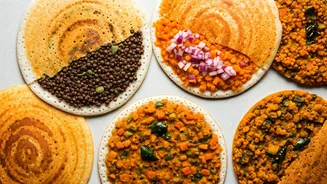
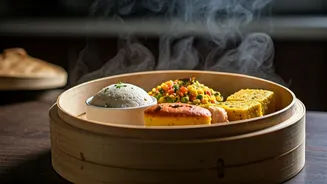
Long before the concept of the 'microbiome' gained widespread attention, Indian kitchens were actively engaged in fermenting a variety of foods, including idlis, dosas, dhokla, kanji, and pickles. These culinary practices were not born from a desire to create wellness products but were practical, seasonal, and deeply embedded in traditional household knowledge. Today, fermentation is celebrated globally for its role in supporting digestive health and gut diversity. In India, however, this technique has always been an integral part of the everyday cooking routine, proving that what appears novel is often a sophisticated iteration of time-tested methods.
Chutneys and Spices: Flavorful Function
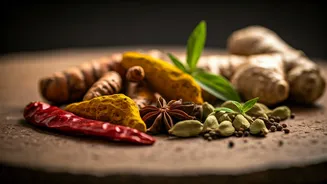
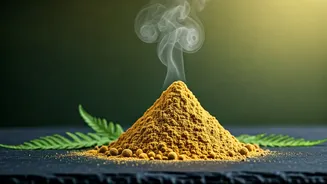
Indian grandparents considered chutneys to be far more than mere accompaniments; they were vital components of a meal. A diverse array of chutneys, from coconut and peanut to mint and tomato, provided meals with essential sharpness, freshness, and depth. Similarly, spices such as ajwain, jeera, methi, turmeric, and black pepper were used daily not just for taste but for their digestive and health-promoting properties. Contemporary food culture is now recognizing what Indian households have always known: flavor and functionality can coexist harmoniously. The renewed popularity of chutneys and spices underscores their ability to elevate simple dishes and reminds us of the profound culinary wisdom found in kitchens unconcerned with fleeting trends.