





Addressing Weight Regain
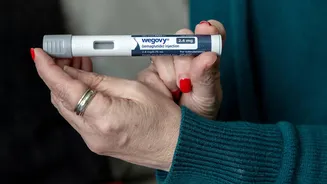
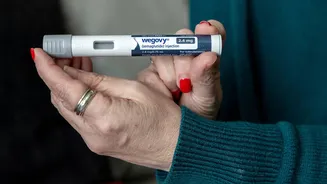
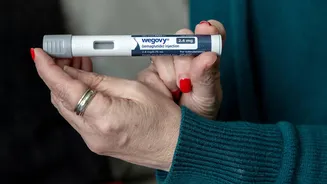
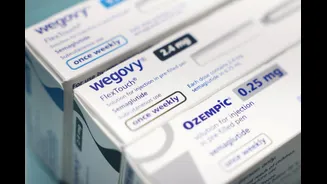
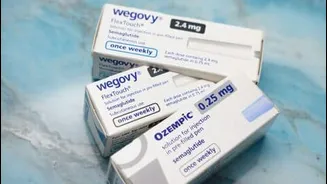
Maintaining weight loss after achieving it through powerful medications like Ozempic and Wegovy presents a significant hurdle for many. These injectables
have revolutionized obesity treatment by facilitating substantial weight reduction. However, a common issue arises when patients cease these treatments: the tendency to regain lost weight. To combat this challenge, researchers are now investigating a novel therapeutic strategy. A clinical trial is underway to evaluate an experimental oral drug specifically designed to aid in sustained weight maintenance, aiming to provide a solution for those who have successfully lost weight but are concerned about long-term retention.
Innovative Oral Therapy
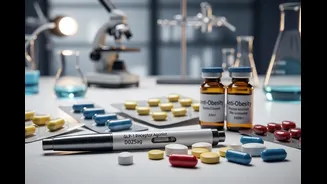
The focus of this new research is ARD-201, an investigational drug developed to address the critical need for weight maintenance post-injectable therapy. Unlike its injectable predecessors that are known for inducing significant and relatively rapid weight loss, ARD-201 is engineered to work differently. This oral medication operates by activating specific bitter taste receptors located in both the gut and the brain. This activation, however, does not result in a perceptible bitter taste. Instead, it sends signals to the body that encourage a reduction in food intake, thereby helping to regulate appetite in a more subtle manner. The hope is that this mechanism can support individuals in keeping the weight off they have lost.
Mechanism of Action
The underlying principle behind ARD-201's function is rooted in a fundamental biological response. Experts explain that when something tastes bitter, the body often interprets this as a potential toxin, prompting an innate survival instinct to avoid it. By gently triggering these bitter taste receptors, ARD-201 aims to leverage this natural mechanism to curb appetite. This approach is designed to be less about causing substantial weight loss on its own and more about creating an environment where maintaining a reduced weight becomes more achievable. The key question researchers are seeking to answer is whether this drug can effectively assist individuals in preserving their weight loss over time.
Trial Design Details
The ongoing Phase 2 clinical trial is designed to assess the efficacy of ARD-201 in a specific patient population. It will enroll adults who have previously experienced weight loss through injectable GLP-1 medications and have subsequently stopped their use. The study's primary objective is to monitor the extent of weight regain in these participants. Their results will be compared against existing data that tracks typical weight rebound patterns after such treatments conclude. Notably, this trial is open-label, meaning all participants are aware they are receiving the study drug, and there is no control group receiving a placebo. This design allows for a direct evaluation of ARD-201's impact in a real-world scenario.
Prior Research & Future Prospects
The development of ARD-201 builds upon earlier scientific investigations. A related compound, ARD-101, demonstrated potential in studies for Prader-Willi syndrome, a rare genetic condition characterized by relentless hunger. This prior work provided foundational insights into the drug's mechanism and its potential for appetite modulation. Now, ARD-201 is being explored for broader applications in general obesity and weight management as an oral option. George Mason University, with its extensive history in obesity research and clinical weight management programs, was selected as one of six sites in the U.S. to participate in this trial. Positive outcomes from this Phase 2 study could pave the way for larger, more comprehensive randomized trials to definitively establish the drug's long-term effectiveness.