





The Hydrogen Cooking Solution
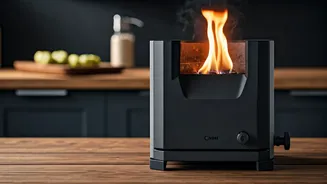
Amidst the ongoing challenges with LPG availability, a significant innovation has emerged from India: a cooking stove powered by hydrogen. This appliance
is designed as a convenient, plug-and-play unit that produces its own fuel using water and electricity. It represents a major advancement in sustainable kitchen technology, aiming to provide a cooking method that emits no pollutants. Currently, this advanced stove is priced at ₹1,50,000 per unit and is primarily being introduced for use in commercial and institutional kitchens, signaling a shift towards alternative energy sources in culinary environments. The invention is a testament to the adage that necessity breeds invention, especially relevant given the growing concerns surrounding traditional cooking fuels. This new stove offers a compelling alternative for those seeking greener and more efficient cooking methods.
Innovation in Fuel Generation
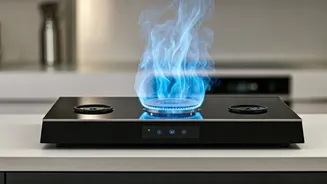
This unique gas stove operates entirely on green hydrogen, featuring two burners and a manual ignition system, similar in form to conventional stoves but fundamentally different in operation. Developed by Greenvize, as reported by PV magazine, the stove incorporates a Proton Exchange Membrane (PEM) electrolyzer directly within its unit. This integrated system allows for the on-demand generation of hydrogen from simple water, eliminating the need for cumbersome gas cylinders or external pipelines. Each unit requires a minimal amount of distilled or RO water – just 100 ml – and approximately 1 kWh of electricity to operate for up to six hours. While both induction cooktops and this hydrogen system utilize electricity, their efficiency and practical application differ significantly. Induction typically consumes between 1.5 to 2 kW per burner, whereas the hydrogen stove uses around 1 kWh. A notable advantage is its compatibility with all types of cookware, unlike induction stoves which necessitate special magnetic pots.
The Science Behind It
The operational mechanism of this stove relies on a specialized catalytic hydrogen burner. This technology ensures that hydrogen serves as the primary fuel source, facilitating controlled cooking with either low flames or near-flameless heat. Unlike traditional LPG stoves that depend on a supply of stored gas from cylinders, this system operates with a carefully regulated flow of hydrogen. Experts highlight that this controlled flow is key to its safe and efficient functioning. The burner is engineered to optimize the combustion of hydrogen, providing a consistent and adjustable heat output suitable for various cooking tasks. This approach moves away from the reliance on pressurized gas storage, offering a more integrated and direct method of fuel utilization for cooking purposes.
Environmental Impact
A significant advantage of this hydrogen cooking stove is its commitment to environmental sustainability, boasting zero emissions. During operation, it produces no carbon monoxide, no other harmful gases, and no visible smoke, making it exceptionally clean. The by-product of its operation is purely water vapor, classifying it as an eco-friendly appliance. Furthermore, the stove operates with remarkable quietness and without any vibrations, rendering it highly suitable for indoor environments where a serene atmosphere is desired. This contrasts sharply with the noise and potential disturbances associated with some other cooking methods. The absence of emissions ensures a healthier living and working environment, aligning with global efforts towards reducing air pollution and promoting sustainable living practices in all spaces, including kitchens.
Commercial Viability
While the technology is adaptable for home kitchens, the current strategic focus for this innovative stove is on larger-scale applications. It is undergoing trials and is being positioned for use in community kitchens, institutional canteens, government-led clean energy initiatives, and industrial kitchens. The significant price point of approximately ₹1,50,000 per unit makes it currently impractical for average households. Instead, it is being promoted as a pilot project, specifically designed for settings that can benefit from its advanced features and environmental advantages on a larger scale. Although it may not immediately replace LPG in domestic settings, this appliance represents a crucial step forward in exploring and adopting novel cooking methodologies for the future.