





Altitude's Diabetes Shield
It's an intriguing observation: populations residing at significant elevations often exhibit lower incidences of type 2 diabetes. Scientists have been
delving into the underlying reasons for this phenomenon, and recent research points towards the body's ingenious adaptations to environments with less oxygen. A study published in 'Cell Metabolism' has shed light on a protein, HIF-1alpha, which becomes more active in low-oxygen conditions. This protein is crucial for helping the body adjust to thinner air and, remarkably, appears to enhance insulin sensitivity while simultaneously reducing inflammation—both critical factors in warding off type 2 diabetes. By examining blood samples from individuals in Peru living at varying altitudes and comparing them with those at sea level, researchers have gathered compelling evidence suggesting that these natural high-altitude adaptations could provide a protective effect against this widespread metabolic disorder. While these findings are promising, the scientific community acknowledges the need for further investigation to solidify these conclusions and explore potential therapeutic avenues.
Red Blood Cells to the Rescue
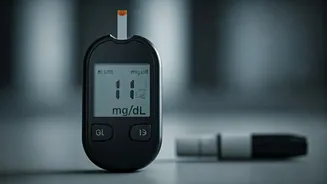
To pinpoint the exact mechanism behind this diabetes-reducing effect, researchers conducted experiments with mice. They exposed one group to a low-oxygen environment (8% oxygen), simulating high-altitude conditions, while another group lived in standard atmospheric oxygen (21%). After several weeks, both groups received glucose injections, and their blood sugar responses were monitored. The mice in the low-oxygen setting displayed a significantly blunted blood sugar spike, indicating a more efficient clearance of glucose from their bloodstream. This beneficial effect lingered even after they returned to normal oxygen levels, suggesting a lasting metabolic alteration induced by prolonged exposure to hypoxia. Further imaging studies revealed that the usual suspects for glucose uptake, like the liver and muscles, couldn't account for all the missing glucose. This led the scientists to investigate if circulating blood cells themselves might be consuming the sugar.
Hypoxia and Glucose Uptake
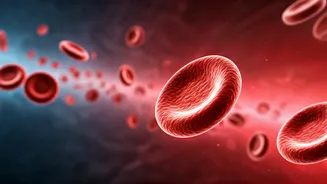
The hypothesis that red blood cells (RBCs) play a significant role was put to the test by manipulating their numbers. When researchers periodically removed blood from the oxygen-deprived mice to maintain normal RBC levels, the glucose-lowering effect of hypoxia vanished. Conversely, infusing extra RBCs into mice breathing normal air caused their blood glucose to drop. This strongly indicated that the quantity of red blood cells was a key driver of glucose reduction. Tracking labeled glucose revealed that RBCs from mice subjected to low oxygen absorbed considerably more glucose than those from the control group. These adapted RBCs efficiently converted glucose into a molecule that binds to hemoglobin, facilitating oxygen release to tissues in low-oxygen environments. This transformation process utilizes glucose. Moreover, these newly produced RBCs in oxygen-deprived mice showed a substantial increase in a protein called GLUT1, which is essential for glucose entry into cells. These findings suggest that under low-oxygen conditions, the body not only increases its red blood cell count but also structurally modifies these cells to become more effective glucose consumers.
Therapeutic Potential Unveiled
The implications of this research extend beyond understanding natural adaptations; they open doors to novel diabetes treatments. The study highlights how red blood cells can be significant regulators of blood sugar, a concept that could be targeted for future therapies. One experimental compound, HypoxyStat, developed by the researchers, mimics hypoxia by enhancing hemoglobin's affinity for oxygen, thereby preventing its premature release. The underlying idea is that artificially inducing a state of oxygen deprivation could potentially boost red blood cell production and improve blood sugar regulation. While such drug development is in its nascent stages and requires extensive testing before human trials, the findings suggest innovative directions. Instead of direct transfusions, future approaches might involve engineering RBCs to act as more potent glucose absorbers, fundamentally shifting the paradigm for diabetes management.