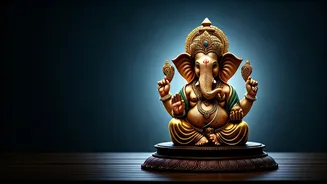







Understanding the Gita
The Bhagavad Gita, a revered Hindu scripture, offers timeless wisdom on life's fundamental questions. It is a part of the epic Mahabharata, presented as
a dialogue between Arjuna, a warrior, and Lord Krishna, his charioteer and divine guide. Chapter 4, Verse 39, specifically highlights the significance of controlling one’s senses as a crucial step towards true knowledge. This verse emphasizes that through disciplined control of the senses, one can not only gain knowledge but also attain lasting peace. The Gita encourages individuals to look inwards, to understand the nature of the self (Atman) and its relationship to the ultimate reality (Brahman). This understanding forms the foundation for a life filled with purpose and serenity. The Gita is not just a philosophical text; it's a practical guide to living a virtuous and fulfilling life. It provides insights into dharma (righteous conduct), karma (action and consequence), and the path to liberation (moksha).
Control Your Senses
Mastering the senses is a cornerstone of the Gita's teachings, and it's essential for anyone seeking inner peace. The human senses – sight, sound, smell, taste, and touch – often lead us towards external distractions and desires. The Gita suggests that by controlling these senses, you can minimize the influence of these distractions and focus on internal awareness. This control is not about suppression but rather about mindful regulation. Start by becoming aware of your sensory experiences. Notice how your senses react to various stimuli, and consciously choose how you respond. For example, when faced with a tempting food, consider the potential impact on your well-being before indulging. This practice of conscious decision-making strengthens your ability to resist impulses and cultivate a more centered state of mind. Regular practice of meditation and mindfulness exercises can greatly aid in this process. These practices help quiet the mind, making it easier to observe and control the senses.
Gaining True Knowledge
The Gita emphasizes the importance of gaining true knowledge as another key ingredient in achieving inner peace. This knowledge goes beyond surface-level information and delves into a deeper understanding of the self and the universe. True knowledge, as outlined in the Gita, includes understanding the impermanent nature of the world. It involves recognizing that everything, from material possessions to fleeting emotions, is subject to change. Realizing this leads to a detachment from worldly outcomes and reduces the suffering caused by attachment. Seeking knowledge requires an open mind and a willingness to learn. This involves studying scriptures, listening to wise individuals, and practicing introspection. By gaining this deeper understanding, you can align your actions with principles of righteousness (dharma) and make choices that contribute to your overall well-being. Ultimately, true knowledge allows one to see the bigger picture, to understand the interconnectedness of all things, and to live with a sense of purpose and meaning.
Attaining Inner Peace
Inner peace is the ultimate goal presented in the Gita, and it is the direct result of controlling your senses and gaining true knowledge. Peace is not just the absence of conflict but a positive state of tranquility, clarity, and contentment. It's a state where you are at ease with yourself and the world around you, regardless of external circumstances. This state is achieved by practicing detachment from the results of your actions, accepting the impermanence of life, and remaining centered in your core values. Regular meditation, yoga, and mindful practices are helpful tools to cultivate inner peace. They enable you to calm the mind, reduce stress, and connect with your inner self. When you achieve inner peace, you're better equipped to handle challenges. You're less reactive to negative emotions, and more capable of making wise decisions. This leads to a more fulfilling and harmonious life. The Gita's message is timeless: by following its teachings, anyone can find their way to lasting inner peace.