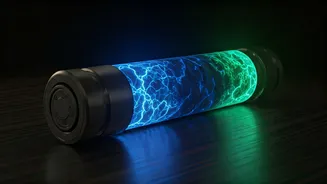







Energy Storage Evolution
The field of energy storage has been in constant flux, with ongoing developments pushing the boundaries of what is achievable. Traditional batteries, while
essential, have limitations in terms of capacity, charging speed, and lifespan. The emergence of new battery technologies signals a potential paradigm shift. These innovations aim to overcome the constraints of existing solutions, promising enhanced performance and efficiency. For example, solid-state batteries, known for their enhanced safety and higher energy density, represent one area of research with significant promise. The pursuit of more sustainable and powerful energy storage systems has become increasingly important, driven by the need to address climate change and support the proliferation of renewable energy sources. This evolution is vital for progress.
Unlocking the Future
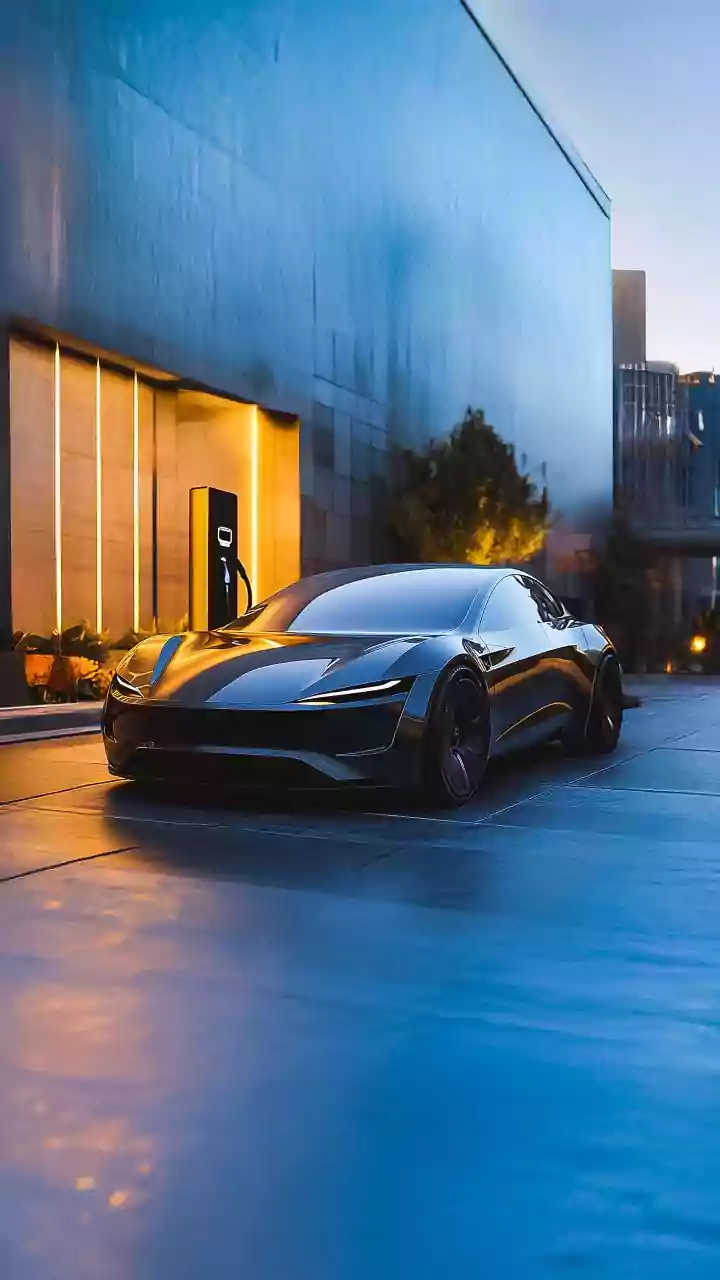
If the IF battery is real, the implications of this new technology would be vast. Its capabilities could extend far beyond our current limits, transforming many industries. One of the most immediate benefits might be found in electric vehicles, where increased range and shorter charging times could become the norm. The impact on portable electronics, such as smartphones and laptops, would be equally significant, with longer battery life and reduced need for frequent charging. Beyond these applications, the IF battery could play a crucial role in enabling renewable energy sources, like solar and wind, by providing robust energy storage solutions. Its potential extends to various sectors. If it is real, the IF battery represents a major step forward, and a crucial element in our future.
Impact of Innovation
The advent of a new battery technology has the potential to reshape many aspects of our lives. Its influence would extend from everyday consumer products to major industrial applications. The transportation sector could see huge advancements with electric vehicles. More efficient energy storage could make electric vehicles more practical for longer distances and reduce charging times. In portable electronics, the enhanced battery life would improve user experience, reducing the need for frequent charging. Furthermore, the IF battery could greatly benefit the integration of renewable energy sources, creating a more sustainable energy ecosystem. The development of this kind of technology underscores the power of innovation. If the IF battery is real, it has the potential to revolutionize how we consume and store energy.











![[WATCH] 'Real Madrid, Ramadan and rest' - Mohammed Siraj how last-minute World Cup call-up changed February plan](https://g-mob.glance-cdn.com/public/fc/image/ByYT_LEmlrD0.webp)
