






Milestone: 100th Launch
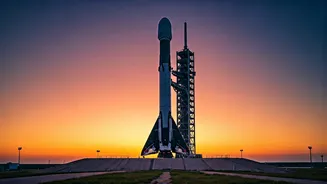
In the year 2025, SpaceX marked a pivotal moment in its history by achieving its 100th launch from the Space Coast. The Falcon 9 rocket, a reusable two-stage
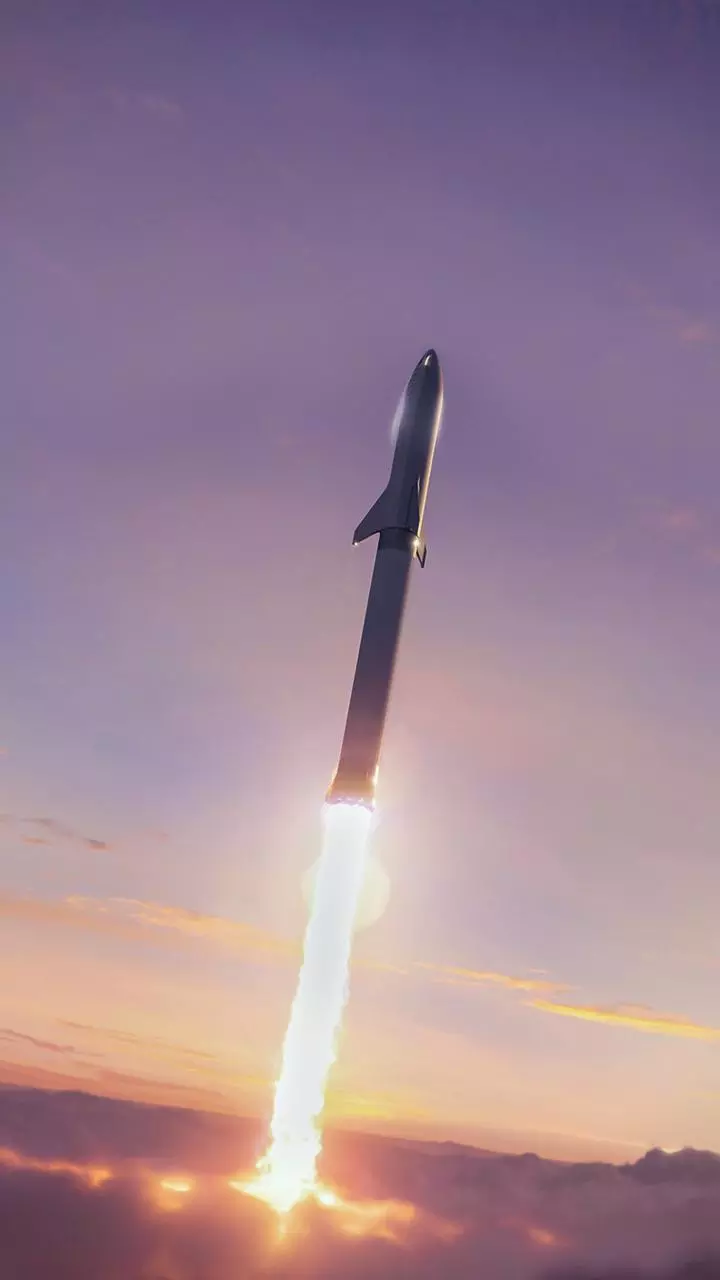
rocket, was central to this accomplishment. SpaceX's efficient launch cadence has enabled rapid deployment of satellites and other payloads into orbit, contributing significantly to space-based communication, observation, and research. This milestone reflects SpaceX's ability to minimize operational costs, making space travel more accessible and paving the way for further innovation. These launches have supported numerous missions, including the deployment of Starlink satellites, which are essential for providing internet access globally. The visuals from these launches have captivated audiences, showcasing the power and precision of the Falcon 9 and fostering excitement about the future of space exploration.
Falcon 9: Technological Prowess
The Falcon 9 rocket's success stems from its innovative design and advanced technology. The rocket's key feature is its first-stage reusability, a significant departure from traditional rockets. After completing its mission, the first stage can return to Earth and land, either on a landing pad or a drone ship at sea, ready for refurbishment and reuse. This reusability cuts down launch costs significantly. The Falcon 9 also employs advanced Merlin engines, known for their high performance and reliability. These engines provide the thrust necessary for liftoff and the journey to space. Furthermore, SpaceX continuously upgrades the Falcon 9, improving its capabilities and adapting it to different mission requirements, such as launching heavier payloads and deploying satellites into different orbits. This continual development maintains the rocket's competitiveness in the rapidly evolving space industry.
Impact: Space Exploration
SpaceX's Falcon 9 has had a profound impact on the field of space exploration. It has greatly reduced the cost of accessing space, making it possible for various organizations, including government agencies, commercial entities, and research institutions, to conduct more space-related activities. The Falcon 9 has facilitated the deployment of numerous satellites, furthering scientific research and expanding communication networks. Additionally, the rocket's reliability has played a critical role in crewed missions to the International Space Station, helping transport astronauts to and from the orbiting laboratory. SpaceX's accomplishments inspire future generations of engineers and scientists, highlighting what can be achieved with vision and dedication. The company's innovations have propelled advancements in rocketry, driving the space industry forward, and creating a strong base for future endeavors such as missions to the Moon and Mars.
Vision: Future Missions
SpaceX looks forward to future missions, with the Falcon 9 playing a central role. The company intends to further expand its launch capabilities and reduce costs even further. SpaceX plans to support various missions, including those related to deep space exploration, as well as the further development of its Starlink satellite network. The Falcon 9 continues to evolve, improving performance and reliability. SpaceX is also involved in the development of the Starship, a fully reusable launch system designed to transport both cargo and humans on longer-distance missions, including flights to Mars. As SpaceX expands its presence in space, its advances will have a significant impact on global access to the final frontier, ushering in a new era of space exploration and scientific discovery.