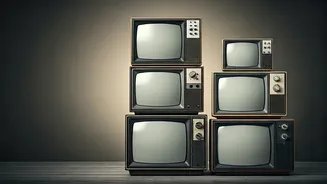

Early Television Innovations
The early days of television were marked by significant technological leaps. One essential advancement was the invention of the iconoscope by Vladimir
Zworykin, which was a crucial device in the development of the television camera tube. Another important milestone was the introduction of the first electronic television broadcast, which occurred in 1928, signaling the start of a new era of mass media entertainment. These innovations laid the groundwork for the modern television we know today, making way for the widespread adoption and evolution of the technology.
Sitcoms' Golden Age
The Golden Age of Television in the 1950s and 60s saw the rise of iconic sitcoms that still resonate today. Shows like "I Love Lucy" and "The Honeymooners" set the standard for comedic timing and character-driven narratives. "I Love Lucy" was notable for its groundbreaking use of three cameras, a technique that enhanced the viewing experience. Similarly, "The Honeymooners" had a long-lasting impact, and its characters and storylines influenced comedy for generations, and many catchphrases from this era are still in use.
The Rise of Drama
As television evolved, dramas began to take center stage, offering viewers more complex storytelling and character development. Shows like "The Twilight Zone" and "Alfred Hitchcock Presents" pioneered the anthology format, presenting self-contained stories with twists and turns. These shows showcased exceptional writing and acting talent, pushing the boundaries of what was considered acceptable on television at the time. The transition to more dramatic content broadened the appeal of television.
Game Shows Galore
Game shows have been a staple of television programming for decades, offering audiences a mix of entertainment and competition. The 1950s saw a surge in popularity of game shows, with shows such as "The $64,000 Question" capturing the nation's attention. However, scandals involving rigged outcomes led to significant changes in the industry, including increased regulations and improved oversight. These controversies brought about a necessary evolution and the adoption of stricter protocols.
Television’s Cultural Impact
Television has played an important role in shaping and reflecting cultural values over the years. Shows like "All in the Family" tackled social issues and pushed the boundaries of what was considered acceptable to discuss on television. The diverse representation, or the lack thereof, in television programming has also been a focal point of discussion, with movements striving for more inclusive storytelling. Through its portrayal of various perspectives, television continues to influence society.
Animation's Evolution
Animation has undergone remarkable transformations since the early days of television. From the simple, hand-drawn cartoons of the mid-20th century to the sophisticated computer-generated animation of today, the evolution of animated programs reflects technological advancements. Early cartoons were a staple of children's programming, while today's animated shows cater to a wide range of viewers, from kids to adults. The creative approaches and technological capabilities have allowed animators to tell an amazing array of stories.
The Impact of Cable
The introduction of cable television in the late 20th century transformed the industry. Cable expanded the variety of content available to viewers, leading to the creation of specialized channels catering to various interests. This increase in the number of channels also led to more competition among networks. The growth of cable television provided a springboard for more experimental programs, which, in turn, challenged the traditional broadcasting models.
Reality TV's Ascent
Reality television has become one of the most prominent genres in the past decades, with shows such as "Survivor" and "The Real World" popularizing the format. Reality TV offers viewers a look into the lives of real people. The appeal of reality shows is the escapism they offer, in addition to the drama they create. They also present the unique experience of getting up close and personal with the lives of people, both in their challenges and triumphs.
Streaming Era's Influence
The advent of streaming services in the 21st century has once again reshaped the television landscape. Platforms such as Netflix and Amazon Prime Video have given rise to a new way to consume content. Streaming services also invest in original programming, which has allowed them to compete with established television networks. As a result, viewers now have an unprecedented selection of shows, easily accessible at any time and any place, changing how people watch TV.
The Future of TV
The television landscape continues to change, as new technologies and consumer behaviors influence its course. The ongoing shift toward streaming, along with the development of interactive and personalized content, is shaping the future of television. Virtual reality and augmented reality also hold promise for immersive entertainment experiences. As the media evolves, television is likely to adapt and continue playing a central role in our lives.