





Winter's Lunar Beginnings
As 2026 dawns, the night sky is illuminated by the Wolf Moon on January 3rd. Its name, rooted in Native American and Colonial American traditions, harks
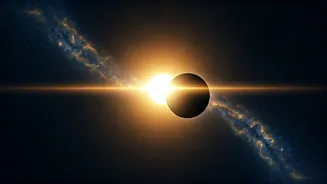
back to the howls of wolves heard outside villages during the harsh winter months. This powerful lunar phase often signifies a time of reflection and survival, mirroring the resilience needed to navigate the season. Following this, on February 1st, the Snow Moon appears, its name a direct reflection of the heavy snowfall typical of this period. While not physically altering the moon's hue, this designation serves as a reminder of winter's grip and the quiet stillness it imposes, encouraging a focus on enduring the elements. The cycle continues on March 3rd with the Worm Moon, a harbinger of spring's imminent arrival. This moon is intrinsically linked to the thawing earth and the re-emergence of earthworms, signaling nature's slow but sure awakening. Notably, the Worm Moon in 2026 will be accompanied by a total lunar eclipse, transforming it into a dramatic 'blood moon' for a fleeting, awe-inspiring period, blending astronomical marvel with seasonal change.
Spring's Awakening Blooms
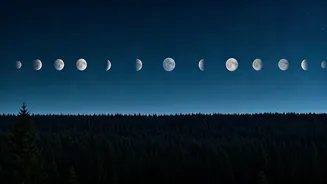
The arrival of spring in 2026 is beautifully marked by the Pink Moon on April 1st. Contrary to its name, this moon doesn't actually appear pink. Instead, it commemorates the vibrant blooming of early spring flowers, such as wild phlox, symbolizing nature's renewal and the return of color to the landscape. This celestial event is a celebration of new life and the end of winter's dormancy. Moving into May, the month offers not one, but two full moons, with the Flower Moon gracing the sky on May 1st. Aptly named, this moon arrives as nature is in full bloom, symbolizing fertility, growth, and the peak of life's abundance. Its appearance is deeply tied to agricultural cycles, reflecting a time of natural prosperity. Following closely, the rare Blue Moon makes its appearance on May 31st. This occurs when a calendar month hosts two full moons, a phenomenon dictated by the moon's approximately 29.5-day orbital cycle. The Blue Moon serves as a fascinating reminder of the fluid nature of time and how our celestial clock doesn't always align perfectly with our Gregorian calendar.
Summer's Golden Harvests
As summer progresses in 2026, the nights will be bathed in the light of several significant full moons. The Strawberry Moon, appearing on June 29th, is so named not for its color, but for the brief but sweet season of strawberry harvesting. Its appearance is a gentle reminder to savor life's fleeting pleasures and the fruits of labor. On July 29th, the Buck Moon ascends, its name derived from the period when male deer begin to regrow their impressive antlers. This lunar event embodies quiet strength and a deep connection to the rhythms of the natural world, reflecting the resilience and growth observed in wildlife. As August unfolds, the Sturgeon Moon rises on August 28th. This moon is named after the abundance of sturgeon fish that were traditionally caught during this time, signifying a transition period between the height of summer and the approaching autumn. It's a time when nature's bounty is still plentiful, but a subtle shift in the seasons is palpable. The Sturgeon Moon in 2026 will also be accompanied by a partial lunar eclipse, adding a layer of cosmic intrigue to the event.
Autumn's Preparedness and Decline
The transition into autumn in 2026 brings with it a series of moons associated with harvest and preparation for the colder months. On September 26th, the Harvest Moon shines brightly, marking the full moon closest to the autumnal equinox. Traditionally, this moon illuminated the fields, allowing farmers to extend their working hours after sundown, ensuring a successful harvest. It's a time of gratitude and abundance. Following this, the Hunter's Moon appears on October 26th. Named for its role in helping early European settlers and indigenous peoples hunt animals after the crops were gathered, this moon signifies a period of active preparation for the coming winter. It's a time for gathering provisions and ensuring survival through the lean months. The Beaver Moon arrives on November 24th, named to coincide with the time when beavers diligently prepare their dams and lodges for the winter. This lunar phase symbolizes industry, resourcefulness, and the vital drive to secure one's home against the elements, reflecting a deep understanding of animal behavior and environmental cues.
Winter's Final Radiance
As 2026 draws to a close, the celestial calendar offers a final, poignant full moon. The Cold Moon emerges on December 23rd, its name a direct evocation of the deep chill characteristic of the year's final month. This moon shines over the long winter nights, embodying the profound stillness and quietude of the season. It represents an ending, a time for reflection on the year that has passed, while also subtly hinting at the promise of renewal and new beginnings that the new year will bring. This concluding full moon serves as a gentle reminder of nature's cyclical patterns and the enduring beauty of the night sky, even amidst the harshest conditions. Its serene glow bids farewell to the year, leaving a lasting impression of celestial wonder.