
Solar Maximum Explained
The prediction that 2026 will be a remarkable year for the aurora borealis hinges on a key concept: the solar maximum. This is the period when the sun's
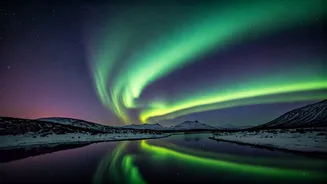
activity reaches its peak within its approximately 11-year cycle. During the solar maximum, the sun experiences a surge in solar flares and coronal mass ejections (CMEs). These events release vast amounts of energy and charged particles into space. When these particles interact with the Earth's magnetic field and atmosphere, they generate the stunning displays of the aurora. The year 2026 is forecasted to be near or at the peak of a solar maximum, offering ideal conditions for more frequent and intense auroral events.
Geomagnetic Storms and Auroras
The intensity of the auroras is directly related to the strength of geomagnetic storms. Geomagnetic storms are disturbances in Earth's magnetosphere caused by the impact of solar wind emanating from the sun. When a CME or a powerful solar flare erupts, it propels a cloud of charged particles towards the Earth, triggering a geomagnetic storm. These storms are graded on a scale, with G1 being minor and G5 being extreme. The strength of the geomagnetic storm significantly influences the visibility of the aurora. Stronger storms can make the auroras visible at lower latitudes, meaning they can be seen from areas farther away from the Arctic and Antarctic regions. The anticipated solar activity in 2026 suggests the likelihood of more frequent and robust geomagnetic storms, enhancing the possibility of viewing the northern lights in many regions.
Factors Enhancing Visibility
Beyond solar activity, other factors can boost the visibility of the aurora borealis. The clarity of the night sky plays a major role; locations with minimal light pollution and clear atmospheric conditions will provide the best viewing experiences. Furthermore, the timing of observations is crucial. The auroras are generally most visible during the hours around midnight, when the sky is darkest. During the solar maximum, the heightened activity increases the odds of seeing auroras. The location also makes a huge difference; destinations closer to the Arctic Circle will have higher chances to witness this natural light show. Even during a solar maximum, the weather can greatly affect viewing conditions, making clear, dark skies essential for appreciating the spectacle.
Potential for Spectacular Views
Given the forecasts, the year 2026 holds immense promise for anyone eager to witness the aurora borealis. The convergence of an active solar cycle, increased frequency of geomagnetic storms, and the potential for a wider viewing area create an exciting prospect for aurora watchers. With the solar maximum, the likelihood of auroras appearing at lower latitudes increases, possibly giving viewers in more southern areas a chance to observe them. With advances in forecasting and awareness, enthusiasts are able to plan their viewings to get the most out of what could be a truly memorable celestial display. The combination of these factors suggests that 2026 might offer an exceptional season for northern lights viewing.