
PSLV-C62: What Happened?
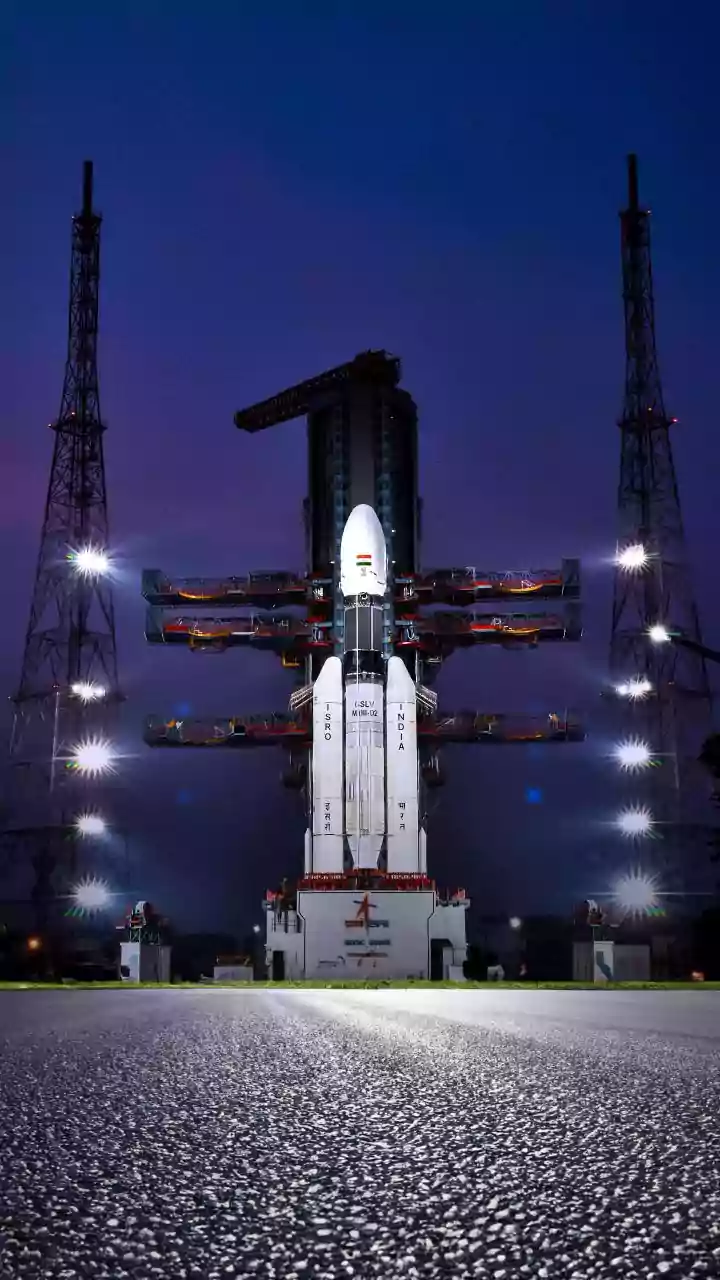
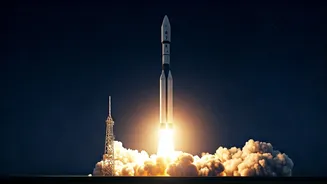
The PSLV-C62 mission, another endeavor by ISRO, encountered difficulties. The rocket, a dependable workhorse for the organization, failed to perform as
anticipated. The most critical issue was that the launch vehicle strayed from its designated path, ultimately leading to the mission's failure. This incident immediately prompted reviews and investigations to discover the root causes of the issue, which were necessary to prevent such issues from reoccurring in future missions. The failure marked a significant moment, leading to heightened scrutiny and discussions about the steps required to get ISRO's launch programs back on track. This setback served as a crucial lesson for ISRO, underscoring the importance of rigorous testing and continuous improvement in all aspects of its space program. The details surrounding the incident are currently under intense examination, with the focus on preventing similar events from happening again and ensuring confidence in ISRO's future missions.
Impact of the Failure
The failure of the PSLV-C62 mission has a series of important implications. It obviously delays any associated payload deployments and affects mission timelines. The setback might also lead to some amount of public concern, particularly regarding the reliability of ISRO's launch capabilities. For ISRO, it means more scrutiny of the technical aspects of the missions. The immediate response includes in-depth investigations into what caused the launch vehicle to deviate from its intended course. The subsequent findings and corrections are crucial for ISRO to maintain its strong reputation for space exploration. This incident acts as a crucial moment for internal reviews, requiring all parts of the mission to be assessed to determine the exact points where improvements are needed. This allows ISRO to build upon the experience and implement solutions to increase the dependability of future launches, demonstrating its commitment to improvement and innovation in space exploration.
Future Mission Roadmap
Even after the recent setbacks, ISRO is pressing forward with an aggressive schedule of future missions. This involves several critical launches. Plans include the uncrewed Gaganyaan mission, scheduled for launch by March 2026. This mission is an important stage in the effort to deploy Indian astronauts into space. In addition to Gaganyaan, ISRO has several other launches in the works. The exact number of launches scheduled and their specific objectives are likely to be revealed in the coming months. ISRO's focus will be on resolving the issues encountered in the PSLV-C62 mission while preparing for these upcoming projects. The space agency will also have to ensure that all future projects are executed seamlessly. ISRO's determination to overcome the challenges and its dedication to innovation highlight its unwavering commitment to advancing India's space program, despite facing some unexpected difficulties.
ISRO's Industrial Scale Challenge
One of the most significant challenges for ISRO is scaling up its operations to meet industrial-level demands. As ISRO gets more complex and more missions are planned, efficient production and reliable launch capabilities become essential. This signifies the need to improve manufacturing processes, supply chains, and testing protocols. ISRO must also form partnerships and alliances within the industry to support its expansion goals. This strategy should support ISRO in making efficient launches and also help it manage the increased workload. Meeting the challenges of working at an industrial scale demands dedication, strategic planning, and the capacity to adapt quickly. ISRO’s ability to successfully handle these challenges will be key to its continued growth and to its role in India's space program and its impact on the global space arena.