




A New Era
For decades, chemical rockets have been the primary means of sending spacecraft beyond Earth's orbit. These rockets, while reliable, face significant limitations,
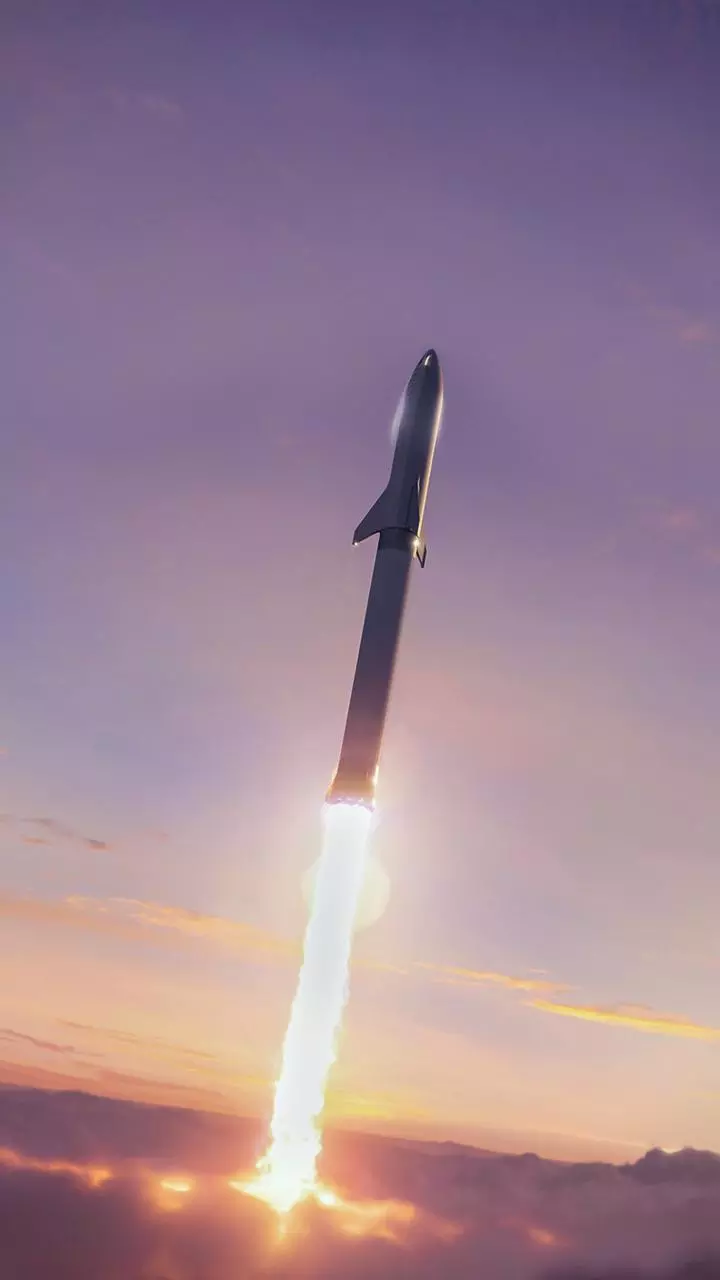
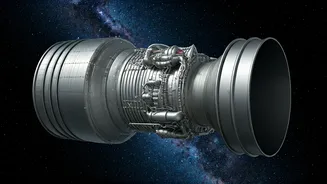
particularly in terms of speed and efficiency. The time it takes to travel to distant planets like Mars, using current technology, can be years. NASA's new nuclear rocket engine is poised to overcome these limitations. The project involves a nuclear thermal propulsion (NTP) system, a technology that utilizes a nuclear reactor to heat a propellant, such as hydrogen gas. This superheated gas is then expelled through a nozzle, generating thrust. The key benefit of NTP is its potential to deliver significantly higher performance compared to traditional chemical rockets, which in turn leads to shorter travel times and more ambitious mission profiles.
How It Works
The operation of a nuclear rocket engine is fascinating. The process begins inside a nuclear reactor. The reactor contains a core made of nuclear fuel, where controlled nuclear fission reactions occur, producing a huge amount of heat. This heat is then transferred to a propellant, typically hydrogen. Hydrogen, when heated to extreme temperatures, expands rapidly. This superheated hydrogen then passes through a nozzle, converting the thermal energy into kinetic energy. The expulsion of the hot gas creates a powerful thrust, propelling the spacecraft forward. The nuclear reactor acts as an incredibly efficient heat source, enabling the rocket to achieve far greater speeds than a chemical rocket. The efficiency of NTP systems allows for greater payloads and decreased travel duration, reducing the hazards associated with prolonged exposure to space radiation.
Faster Missions
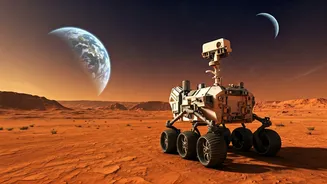
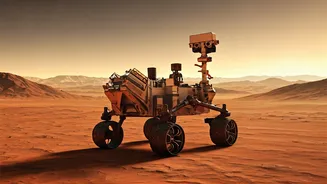
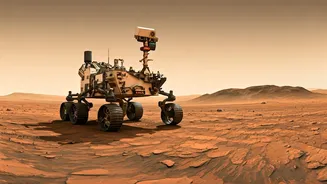
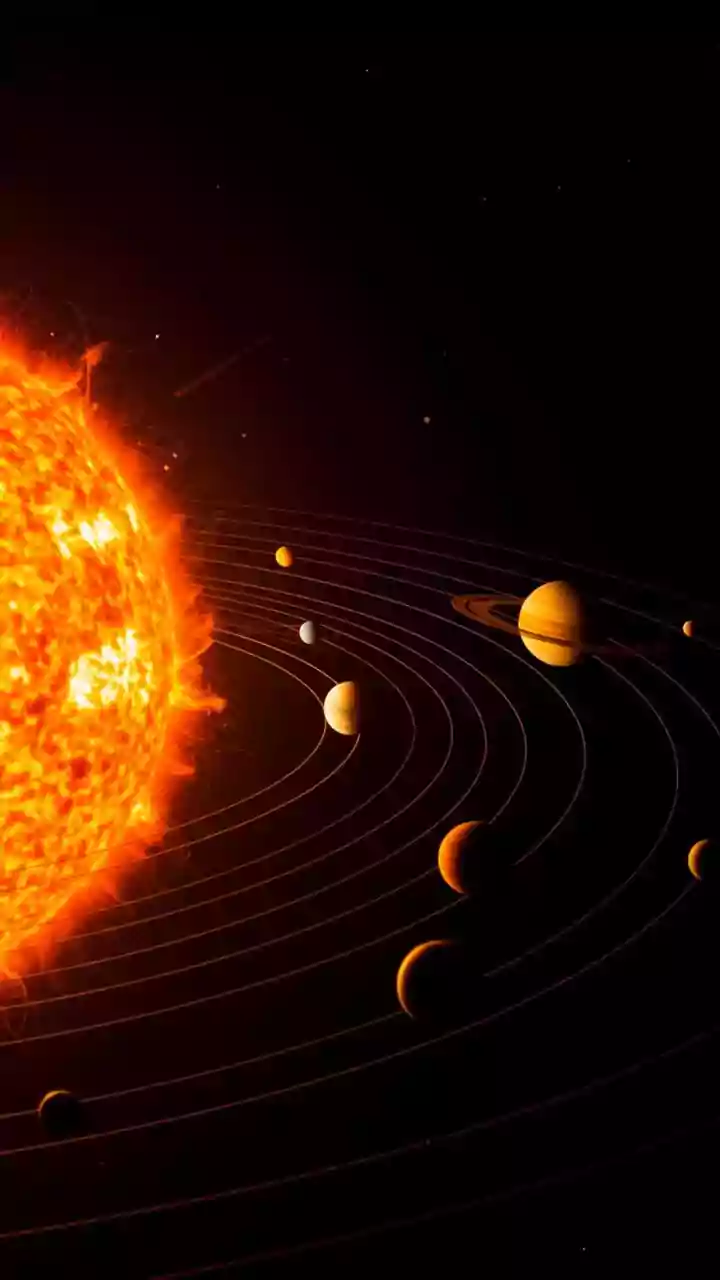
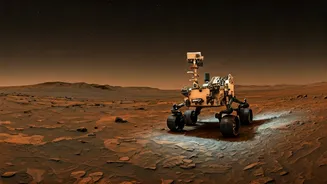
The primary advantage of using a nuclear rocket engine is the drastic reduction in travel time for deep-space missions. Consider a mission to Mars, for instance. With existing chemical propulsion, the journey could take around nine months, during which the crew is exposed to a hostile environment. An NTP system could potentially shorten this journey to as little as four to six months. This shorter travel time has multiple benefits. It reduces the exposure of astronauts to the dangerous effects of cosmic radiation and the psychological strains of long-duration spaceflight. Furthermore, it could allow for missions to more distant targets, like the outer planets of the solar system, which would otherwise be virtually impossible to reach within a reasonable timeframe using chemical rockets. Faster travel times are beneficial not only for human missions but also for robotic exploration.
Key Challenges
While nuclear rocket technology holds immense promise, it presents a unique set of technological and logistical challenges. One of the main challenges is the design and manufacturing of the nuclear reactor itself. The reactor must be both incredibly efficient and capable of withstanding extreme temperatures and pressures. Also, it must be constructed to the highest safety standards to prevent any nuclear materials from leaking. Another challenge is the handling and launch of nuclear-powered spacecraft. Stringent safety protocols must be in place to prevent accidents during launch, and the disposal of nuclear waste generated by the reactor also needs careful consideration. Furthermore, the development of suitable propellants and nozzle materials that can endure extreme heat is necessary for optimal performance and safety.
Testing and Future
NASA has been actively testing and refining its nuclear rocket engine design. These tests are conducted to evaluate the performance of various components and the overall system. Initial testing phases often involve ground-based simulations to assess the engine's functionality under different conditions. The ultimate goal is to move towards a flight-ready prototype that can be launched into space. The timeline for this technology's operational deployment remains subject to funding, technical milestones, and regulatory approvals. However, the potential impact of nuclear rocket engines on deep-space exploration is undeniable. With further development and testing, this technology can revolutionize our capacity to explore the universe, opening new frontiers for human exploration and scientific discovery. The future of space travel is looking faster, more efficient, and more ambitious.