




A New Era Dawns
The arduous daily commute, characterized by endless traffic snarls, might soon become a relic of the past. What once seemed like a futuristic dream is rapidly
materializing as India gears up for the debut of its indigenous air taxi service. This groundbreaking venture, spearheaded by a Chennai-based startup, aims to redefine urban transportation by offering a swift and efficient aerial alternative for short-distance travel within cities. The envisioned service promises to significantly reduce travel times, connecting passengers to their destinations—be it workplaces, educational institutions, or marketplaces—in a matter of mere minutes, thereby unlocking new levels of convenience and productivity for city dwellers.
Meet the Sky Taxi
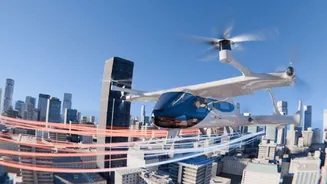
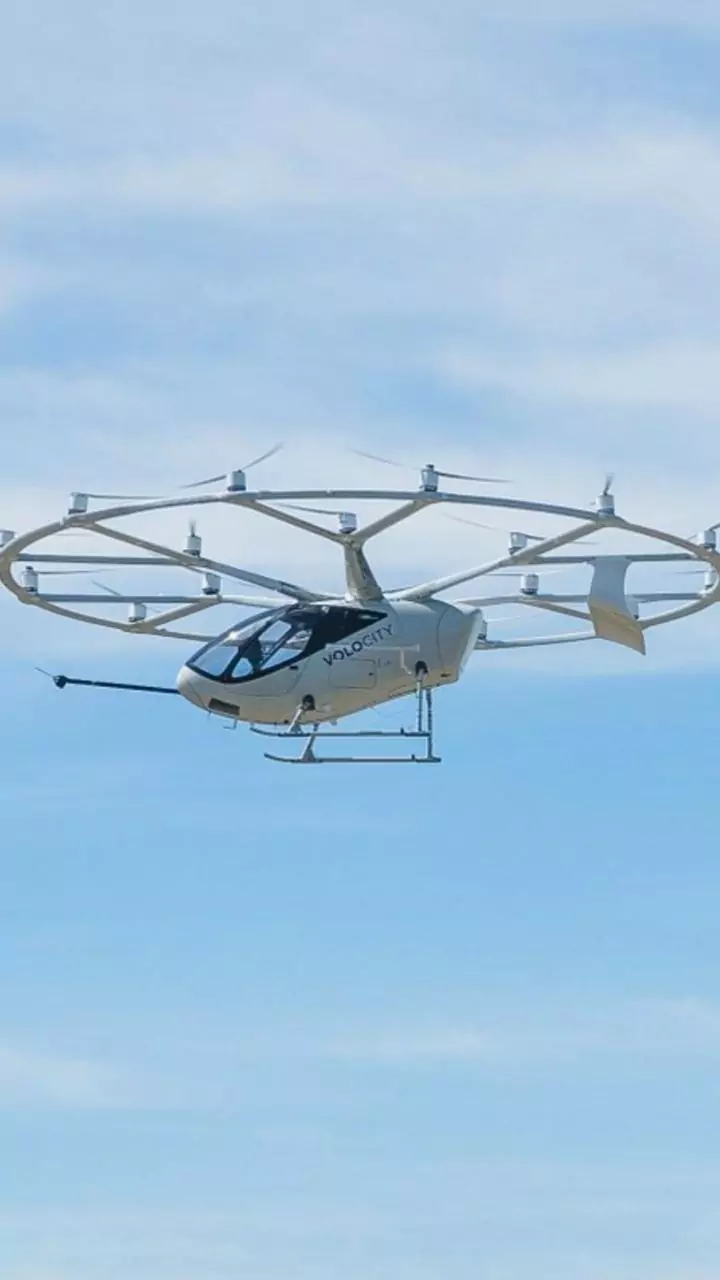
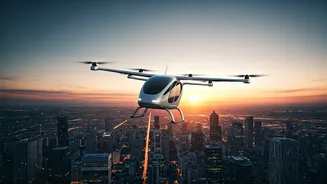
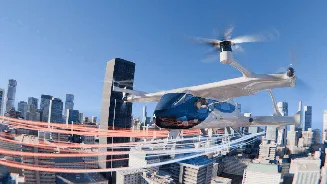
At the forefront of this revolution is an electric vertical take-off and landing (eVTOL) aircraft, a three-seater marvel developed by The ePlane Company. This innovative machine was recently unveiled at the India AI Impact Summit 2026, capturing significant attention and sparking widespread curiosity. Its design is specifically tailored for intra-city hops, distinguishing it from conventional aircraft. The prototype is engineered to carry a single pilot and two passengers, offering a compact yet capable solution for urban transit. While the precise cost and booking mechanisms are still under consideration, company officials have indicated that the service will operate on a model similar to popular ride-hailing apps, ensuring a seamless and accessible booking experience for everyday commuters seeking a faster way to navigate their city.
Path to Operation
The path to commercial flight for this pioneering air taxi has been cleared with crucial approvals from the Indian government. The necessary regulatory steps are currently being finalized in close coordination with the Directorate General of Civil Aviation (DGCA). Aviation authorities have been instrumental in mapping out dedicated aerial pathways, not only for air taxis but also for essential air ambulance services, ensuring a structured and safe operational framework. The development journey for this project commenced in 2019, a collaborative effort between the startup and the Indian Institute of Technology (IIT) Madras. A smaller iteration of the aircraft successfully completed extensive test flights, logging over 9,000 kilometers, with the company reporting these trials as overwhelmingly positive, laying a robust foundation for the upcoming commercial rollout.
Launch Cities & Expansion
Commercial operations are slated to begin in 2028, with an initial focus on four major Indian cities: Ahmedabad, Chennai, Pune, and Bengaluru. This strategic selection aims to test and refine the service in diverse urban environments before extending its reach to other metropolitan areas across the country. During its initial phase, the air taxi service will leverage existing helipads, ensuring a swift commencement of operations. However, the company has ambitious plans for infrastructure development, including the addition of new helipads and supporting facilities, to accommodate the projected growth in fleet size and passenger demand. This expansion is critical to fulfilling the vision of making aerial transit an integral part of urban living.
Domestic Innovation
A significant aspect of this groundbreaking project is its commitment to indigenous development. The entire air taxi has been meticulously designed and manufactured within India, highlighting the nation's growing capabilities in advanced aerospace engineering. This focus on domestic innovation ensures that the technology is tailored to local needs and conditions, fostering self-reliance in a critical sector. Beyond its application in passenger transport, the company is also actively developing air ambulance variants. This dual-purpose approach underscores the broader societal impact envisioned for the eVTOL technology, aiming to address urgent needs such as the rapid transport of critical patients to hospitals, thereby potentially saving lives during emergencies by overcoming the limitations imposed by congested road networks.