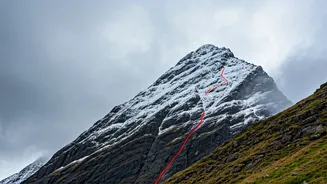

Sacred Peaks' Protection
Many mountains hold immense spiritual significance for local communities. Often, these peaks are considered sacred sites, believed to be the abodes of
deities or ancestral spirits. Climbing these mountains can be seen as a desecration or a violation of religious beliefs, leading to prohibitions by religious leaders or community elders. The preservation of these sacred spaces is seen as essential for maintaining cultural heritage and religious practices, ensuring the continuation of traditions and spiritual connections. These restrictions are a way of honoring the beliefs and practices of indigenous populations and safeguarding the spiritual essence of the mountains. This protection is not just about physical access; it's about respecting the intangible elements of culture and belief that the mountains embody.
Environmental Preservation Concerns
The fragility of mountain ecosystems is a major reason for climbing restrictions. High-altitude environments are particularly susceptible to human impact, and the presence of climbers can lead to significant damage. Foot traffic can erode trails and damage vegetation, while waste disposal and pollution can contaminate water sources and disturb wildlife habitats. The delicate balance of these environments can be easily disrupted by human activity. Governments and conservation organizations may implement climbing bans to protect vulnerable species, prevent erosion, and maintain the natural beauty of these regions. The long-term health of the ecosystem is prioritized. By limiting access, these measures aim to minimize the environmental footprint and preserve biodiversity for future generations.
Safety and Accessibility Factors
Some mountains are off-limits because of inherent safety risks. Certain peaks may present extreme climbing conditions, including treacherous weather patterns, unstable terrain, and avalanches, which make climbing exceptionally dangerous. In remote areas, rescue operations can be difficult or impossible, making any potential accidents a severe concern. The physical challenges and dangers associated with mountain climbing are not to be underestimated. Furthermore, some areas may lack necessary infrastructure, such as established trails or rescue facilities, which would make the situation even more perilous. Regulations and bans can be implemented to protect climbers and prevent fatalities. Decisions are often based on risk assessments, and they prioritize the safety and well-being of individuals who are willing to take up the challenge. Safety is an ongoing factor in these decisions.
Cultural Heritage Protection
Cultural heritage is another important reason. Many mountains are linked to historical and cultural narratives that shape local identity. Climbing these peaks can be restricted to safeguard historical sites, monuments, or artifacts present. These sites often hold significant historical and cultural importance, offering insight into the past. Restrictions may be imposed to prevent damage to culturally sensitive areas or the disturbance of historical artifacts. The goal is to protect these places from the adverse effects of human activities such as looting, or other forms of destruction, and ensuring that they remain intact for future generations to learn and experience. These limitations play a vital role in preserving both tangible and intangible heritage. Such efforts aim to keep the cultural relevance and historical significance of particular mountain environments.
Political and Legal Considerations
Sometimes, the reasons behind climbing restrictions are political or legal in nature. Border disputes between countries may impact access to certain mountain ranges, and governments may restrict climbing to assert sovereignty or maintain security. Regulations may be introduced to manage potential conflicts or control access to strategic territories. Restrictions may also be a component of broader conservation strategies that are aimed at preserving natural resources and regulating tourism in the area. Legal frameworks and international agreements can establish protocols for climbing and access. These measures are often essential to maintaining peace, environmental preservation, and the protection of resources within contested regions. The reasons are multifaceted and often reflect a mix of political, legal, and strategic considerations.
The Ethical Dilemma
The debate over climbing restrictions brings up an ethical dilemma regarding the balance between human exploration and the protection of the environment. While some people see climbing as a basic human right, others prioritize environmental and cultural preservation. The discussions touch upon access to public spaces, cultural heritage protection, and the moral obligations of individuals and communities. This dilemma highlights the complexities of making decisions about how we interact with the natural world and the need for finding common ground between different viewpoints. It encourages conversations and discussions on respecting the rights of indigenous people, preserving the environment, and promoting sustainable tourism practices to balance both. Such dialogue is essential for making informed decisions regarding mountain access, ensuring the well-being of local communities, and preserving the integrity of sacred places.