



The Crucial Role of Postpartum Fitness
Bringing a new life into the world is a profound experience, but the journey doesn't end with delivery; it's just the beginning of a new phase. Postpartum
fitness emerges as a critical component for a mother's holistic well-being during this transformative period. Engaging in exercise after childbirth isn't merely about shedding pregnancy weight; it's a powerful tool for physical recuperation and mental resilience. It aids significantly in rebuilding lost muscle strength, improving posture that may have been affected by pregnancy and childbirth, and enhancing overall energy levels. Furthermore, the mental health benefits are substantial, offering a buffer against the emotional rollercoaster that often accompanies new motherhood, potentially reducing the risk or severity of conditions like postpartum depression. By carefully and gradually reintroducing physical activity, mothers can support their bodies' natural healing processes and better equip themselves to navigate the demanding yet rewarding journey of caring for their newborn.
Starting Your Fitness Journey Safely
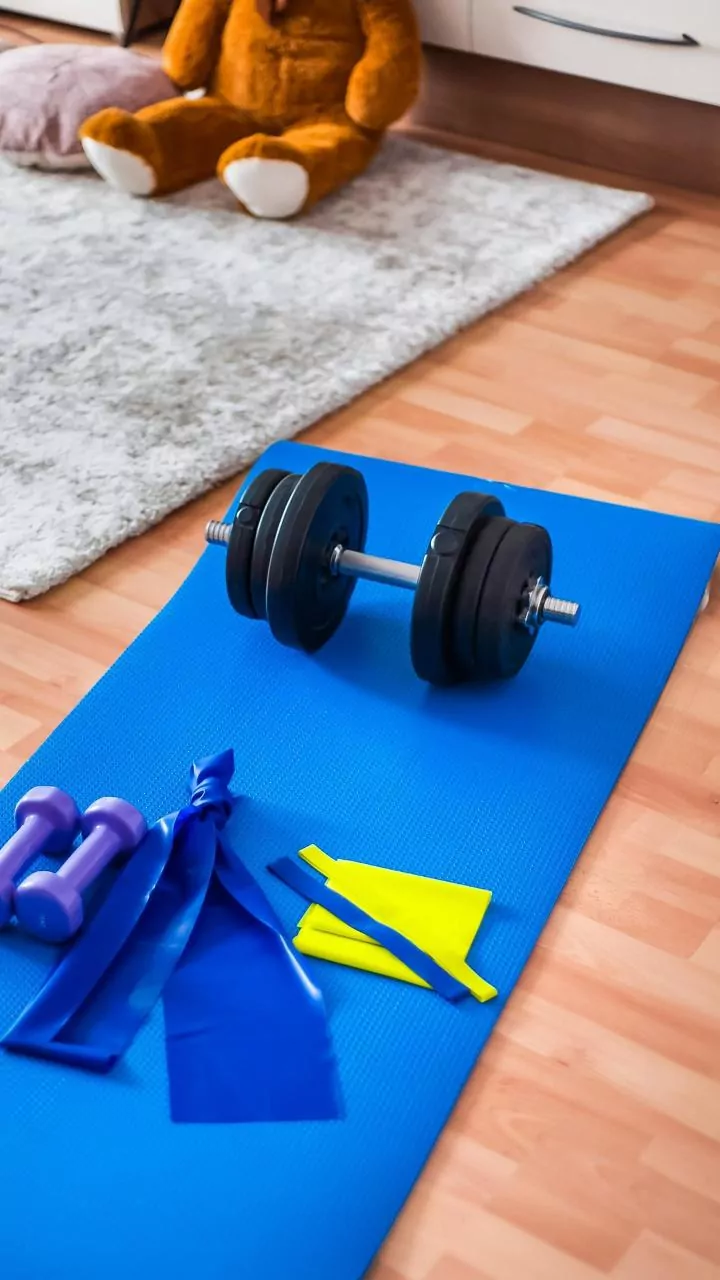
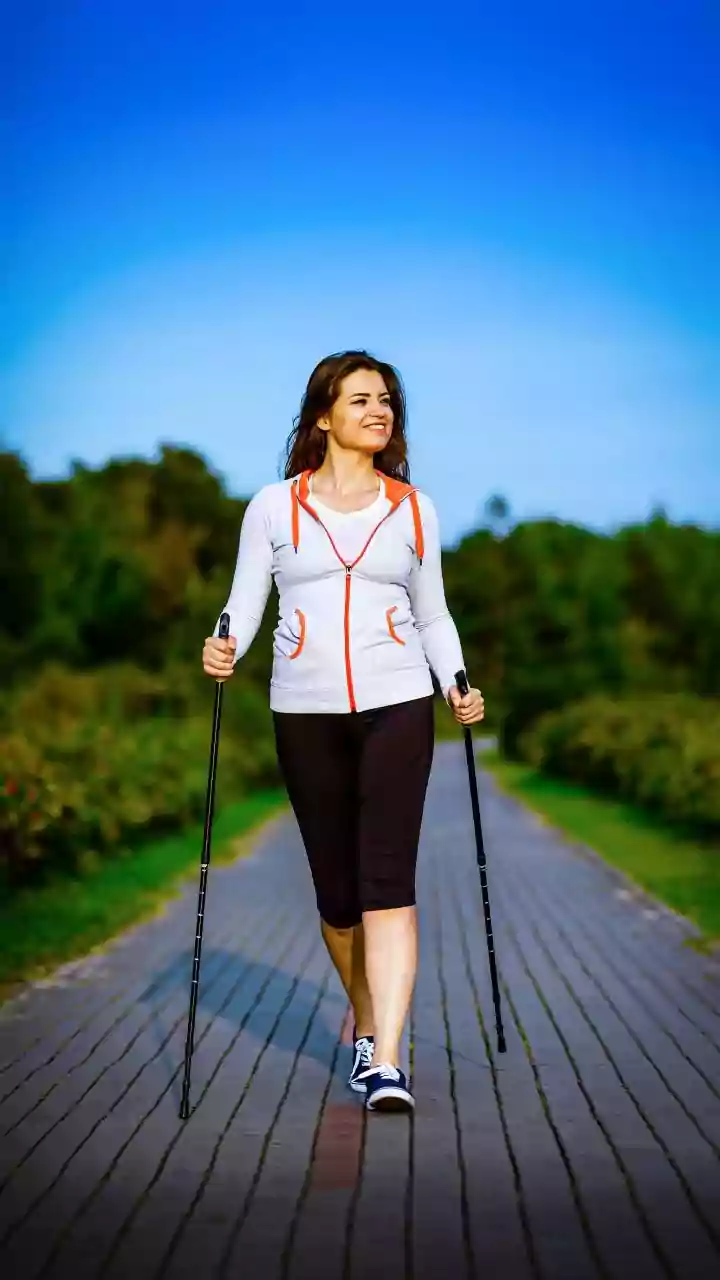
Embarking on a postpartum fitness routine requires a mindful and gradual approach, always prioritizing your body's signals. For those who experienced a healthy pregnancy and a straightforward vaginal delivery, it's generally safe to resume light exercises within a few days post-birth, or whenever you feel ready. However, the landscape shifts if your delivery involved complications, such as a cesarean section. In these cases, seeking explicit guidance from your healthcare provider before resuming any physical activity is non-negotiable. High-intensity workouts, characterized by breathing difficulties during exertion, should be approached with extreme caution and medical clearance. Pushing too hard too soon can lead to adverse effects like pain, excessive tiredness, or fatigue. The initial focus should always be on gentle, restorative movements, gradually progressing to moderate-intensity activities as your strength and stamina improve. Even dedicating just 10 minutes a day to exercise can yield significant benefits.
Key Exercises for Recovery
Postpartum exercise is fundamentally about rebuilding your body's foundational strength and stability. The initial phase of recovery should concentrate on targeted exercises that awaken and strengthen major muscle groups, particularly those that have been significantly impacted by pregnancy and childbirth. Abdominal and back muscles often require special attention to restore tone and support. Pelvic floor exercises are also paramount, playing a crucial role in healing and regaining function. As your body adapts and strengthens, you can progressively introduce moderate-intensity exercises to enhance cardiovascular fitness and endurance. For mothers who were accustomed to vigorous physical activity before pregnancy, it's possible to gradually work back towards that level of intensity, but always under the guidance of medical professionals and with careful attention to your body's feedback. The goal is sustainable progress, not immediate high performance.
Understanding Postpartum Depression
The transition to motherhood can be emotionally taxing, with many new mothers experiencing the 'baby blues'—temporary mood swings, tearfulness, and sleep disturbances. These typically manifest within the first few days and resolve within a couple of weeks. However, a more persistent and severe condition, postpartum depression (PPD), can emerge. PPD symptoms are more intense and long-lasting, potentially impacting a mother's ability to care for herself and her baby. While it can begin during pregnancy or up to a year postpartum, symptoms usually appear within the initial weeks. Signs include persistent sadness, hopelessness, irritability, extreme anxiety, panic attacks, appetite changes, insomnia or excessive sleeping, and feelings of worthlessness or guilt. If these symptoms are present, seeking professional medical help is essential. Postpartum psychosis is a rare but severe mental health crisis that also requires immediate medical intervention.
The Support System's Role
While prioritizing self-care through postpartum fitness is vital for a new mother's physical and mental health, the support she receives from her environment plays an equally significant role. Family members and close friends are invaluable pillars during this period. Their assistance can range from practical help, like managing household chores or caring for the newborn, to allowing the mother crucial opportunities for rest and sleep. Encouraging her to engage in healthy practices, such as exercise and nutritious eating, can make a substantial difference. Crucially, if family members observe signs or symptoms indicative of postpartum depression or other mental health challenges, they should gently and firmly encourage her to seek professional medical help. A supportive community fosters a more positive and less stressful postpartum experience, contributing to a mother's overall recovery and well-being.