





Whispers of Healing
For centuries, before the advent of modern pharmaceuticals, communities relied on nature's pharmacy to combat illness. Among these botanical allies was
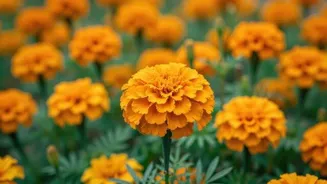
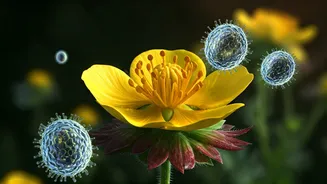
tormentil (_Potentilla erecta_), a modest yellow wildflower flourishing across Europe, including Ireland. Its roots were steeped in folk medicine, employed to treat a spectrum of ailments from persistent diarrhea and sore throats to festering wounds and gum disease. This extensive historical application wasn't merely anecdotal; it suggested a potent, inherent capacity within the plant to combat microscopic adversaries. Modern scientific inquiry is now revisiting these age-old practices, confirming that tormentil possesses not only antimicrobial properties but also a remarkable potential to challenge bacteria that have evolved resistance to contemporary antibiotics, a growing global health crisis.
The Superbug Scourge
Antimicrobial resistance represents one of the most significant and escalating threats to public health worldwide. It occurs when bacteria undergo genetic changes, developing the ability to withstand medications designed to eradicate them. This phenomenon renders common infections increasingly challenging, and in some dire instances, untreatable. The stark reality is a potential return to an era where once-manageable illnesses could become life-threatening once more. Faced with this looming crisis, researchers are actively seeking novel antimicrobial agents. Plants, with their millennia-old evolutionary development of diverse bioactive chemicals for self-defense against microbial threats, emerge as a particularly promising avenue for discovery.
Bogland Botanicals Tested
Inspired by the historical use of traditional remedies, a comprehensive investigation was undertaken to explore the antimicrobial capabilities of various Irish bogland flora, specifically focusing on their efficacy against multidrug-resistant bacteria. Over 70 distinct plant species, collected from diverse bog environments across Ireland, were meticulously prepared into extracts. These extracts were then subjected to rigorous laboratory testing against clinically significant bacterial pathogens, including those responsible for severe forms of pneumonia and urinary tract infections. The initial assessment involved antimicrobial susceptibility testing, where the extracts were applied to bacterial cultures to observe their inhibitory effect on growth. Furthermore, the research extended to evaluating the extracts' ability to disrupt biofilm formation. Biofilms are formidable communities of bacteria encased in a protective matrix of slime, which shields them from the immune system and antimicrobial agents, making eradication exceptionally difficult.
Tormentil's Potent Action
The initial screening of plant extracts yielded highly encouraging results, with tormentil exhibiting significant antimicrobial activity and a pronounced ability to hinder the development of biofilms. This confirmed the presence of potent compounds within the plant, offering a scientific basis for its historical use in treating infections. Beyond its direct antimicrobial effects, the research delved into tormentil's synergistic potential with existing antibiotics. It was observed that certain plant compounds don't necessarily kill bacteria outright but can enhance the effectiveness of other drugs. By combining a minimal, sub-lethal dose of colistin – a powerful antibiotic reserved for severe infections due to its toxicity – with tormentil extract, researchers witnessed a dramatic increase in the antibiotic's efficacy. The low-dose colistin alone was insufficient to combat the bacteria, but when augmented by the tormentil compound, it became highly effective, suggesting a collaborative approach to overcoming resistance.
Unlocking Compound Secrets
A subsequent phase of the research involved a detailed chemical analysis aimed at identifying the specific compounds within tormentil extracts responsible for its remarkable activity. Plants belonging to the _Potentilla_ genus are already known to produce valuable natural compounds, including ellagic acid and agrimoniin, which possess beneficial antioxidant and anti-inflammatory properties. These identified compounds, present in the bogland tormentil samples, were individually tested and confirmed to possess direct antibacterial activity, effectively inhibiting bacterial proliferation. The mechanism by which these compounds exert their effect was further elucidated: they function by sequestering iron, a vital nutrient essential for bacterial growth and survival. By depleting this critical resource, the tormentil compounds effectively starve the bacteria, preventing them from multiplying. The research team is now focused on refining and optimizing this iron-scavenging mechanism to develop potent formulations suitable for testing in experimental therapeutic models.
Nature's Renewed Hope
The natural world has consistently served as a foundational source for medicinal breakthroughs. Many of the antibiotics currently in use, including life-saving treatments for serious infections like MRSA, have their origins in natural compounds, such as those derived from soil microorganisms. In the face of escalating antimicrobial resistance, the urgent need for innovative solutions and novel therapeutic agents is undeniable. Plants represent a largely untapped reservoir of both entirely new antimicrobial compounds and agents that can boost the efficacy of existing drugs. The compelling story of tormentil underscores the profound synergy between nature's ancient wisdom and contemporary scientific investigation, offering a potent reminder that groundbreaking solutions to pressing global challenges can often be found in overlooked places, like the humble wildflower thriving in a bog.