








Instant and Accessible
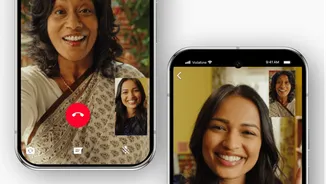
Texting's immediate nature is a key reason teens favor it over other forms of communication. Unlike a phone call that requires immediate attention, or a face-to-face
conversation that demands a physical presence, texts can be sent and read at any time. This asynchronous quality allows teens to manage their interactions without the pressure of an instant reply, fitting seamlessly into their busy schedules. The ease of access, facilitated by smartphones, ensures that communication is always at their fingertips. Texting also removes geographical boundaries, enabling connection with friends and family regardless of their location, making it a highly convenient option in various social situations.
Social Anxiety Relief
For many teens, texting provides a buffer against the anxiety that can come with in-person or even phone conversations. It grants them the ability to carefully craft responses, giving them time to think before they speak, avoiding potential awkward silences or misinterpreted tones. This controlled environment reduces the pressure to respond immediately and allows them to present themselves in a way that feels more comfortable and confident. Texting's ability to minimize social risks plays a significant role in making it an appealing choice for teens dealing with social anxiety, allowing them to engage in social interaction without feeling overwhelmed.
Group Communication Easier
Texting excels in facilitating group communication, making it an essential tool for teens managing social lives and group projects. Group chats provide a convenient platform to coordinate plans, share information, and participate in discussions with multiple individuals simultaneously. This method simplifies scheduling, sharing memes, and discussing everything from homework assignments to weekend plans. Moreover, group texting allows for quick announcements and instant updates, making it easier to stay connected with friends, classmates, and teammates. It also creates a sense of community and inclusion, allowing teens to easily stay connected.
Creative Self-Expression
Texting facilitates a more creative and expressive mode of communication, particularly through the use of emojis, GIFs, and other visual elements. These elements go beyond mere words to convey emotions, sarcasm, and humor. Teens can customize their messages to express themselves more clearly and effectively than a simple text message. Emojis and other elements create a fun and engaging environment, allowing for personalized communication styles. This flexibility helps teens craft their narratives, making communication more dynamic and enjoyable. Texting allows them to experiment with different ways of presenting themselves, enhancing their capacity for creative self-expression.
Privacy and Documentation
Text messages also provide a degree of privacy and serve as a record of conversations, providing teens with significant control over their exchanges. Texts can be easily reviewed, allowing for reflection and the ability to revisit past interactions. The inherent privacy of texting allows teens to share information more freely, as they can choose who sees their messages. This ability to archive communication and limit its visibility offers a level of security. Furthermore, texts serve as documentation, useful in resolving misunderstandings or providing proof of agreements. This combination of privacy and documentation contributes to the widespread use of texting among young people.