





Microcin: Unveiling The Details
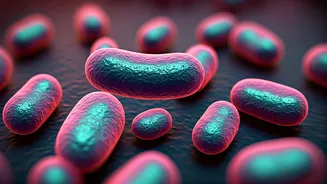
Microcins are a type of antimicrobial peptides. They are produced by bacteria and function as defense mechanisms, fighting off other bacteria. These small
proteins or peptides are released by certain bacteria to inhibit the growth of or kill other bacteria. Essentially, they serve as a sort of weapon that one bacterium uses against another. They function by targeting essential cellular processes of the target bacteria. Research on microcins has revealed their potential in various applications. Scientists are exploring their use as natural antibiotics, to fight bacterial infections that are resistant to conventional antibiotics. The study of microcins offers valuable insights into bacterial interactions and defense strategies and provides new avenues for therapeutic interventions. By understanding how microcins work, researchers can develop new strategies to combat bacterial infections and improve overall health outcomes.
Applications and Potential
The applications of microcins are quite promising, particularly in the realm of medicine. Their use as potential antibiotics is of significant interest, especially given the rising issue of antibiotic resistance. Conventional antibiotics are losing effectiveness as bacteria evolve and become resistant to them. Microcins offer a potential solution because they target different mechanisms of bacteria. This can make them effective against bacteria that have developed resistance to existing antibiotics. Research is ongoing to develop microcin-based therapies that are safe and effective for human use. Beyond medical applications, microcins have implications in agriculture and food preservation. They can be used to control plant diseases caused by bacteria, and they can be added to foods to extend their shelf life and prevent spoilage by harmful bacteria. As research continues, the full extent of microcin's potential will become clearer, leading to the development of innovative solutions for various challenges.
Microcin: Future Research
Future research in microcins will focus on optimizing their effectiveness, ensuring their safety, and exploring new applications. Scientists are working on ways to improve the stability of microcins, modify their structure to enhance their activity, and reduce the chances of resistance development. The production of microcins is also being studied. Researchers are looking at ways to produce large quantities of microcins to make them available for large-scale use. This may involve genetic engineering techniques or fermentation processes. Safety is a crucial area of focus. Studies are underway to assess the potential toxicity of microcins and their impact on the human body and the environment. Microcins' impact will extend to new areas like diagnostics and disease prevention. By continuing research, the scientific community can harness the power of microcins to improve healthcare and other sectors.