







The RAM Crisis Unveiled
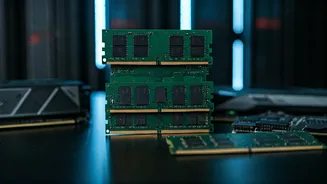
The global RAM shortage is sending ripples across the electronics sector, triggering an increase in the cost of GPUs (Graphics Processing Units) and storage
drives. Several factors are contributing to this shortfall, including supply chain disruptions and heightened demand. This shortage is especially critical for gamers, content creators, and businesses that need high-performance computing resources. As a result, consumers are likely to experience higher prices for these essential components and, by extension, the devices they rely on. The industry experts and market analysts have been keenly observing the situation, pointing to an impending period of price volatility and supply constraints. Companies that depend on these components, from PC manufacturers to server providers, are grappling with increased procurement costs, which may be passed on to customers or impact profit margins.
Causes Behind Scarcity
Several factors combined to create the current RAM shortage, resulting in a complex situation. Disruptions in the supply chain, which began during the pandemic, are still lingering, impacting the smooth flow of components from manufacturing sites to distributors. Simultaneously, the demand for RAM has surged due to growing requirements in the gaming, AI, and data center sectors. These industries depend heavily on high-capacity and high-speed memory. The increased complexity of manufacturing RAM chips, which involves specialized equipment and materials, has further complicated the situation. Manufacturers are struggling to keep up with the rising demand, further driving up prices. Also, trade restrictions and geopolitical tensions are playing a role, creating barriers in the procurement of essential components and contributing to the overall shortage.
Market Impact Analysis
The RAM shortage's impact on the market is readily visible in the rising costs of GPUs and storage drives. Consumers looking to build or upgrade their PCs are facing significantly higher prices for these key components. The prices of graphics cards, which are crucial for gaming and other graphics-intensive tasks, have seen a steep increase. Similarly, storage drives, including SSDs and HDDs, are also more expensive. This price inflation is not limited to individual components; it extends to entire systems, affecting the cost of pre-built desktops, laptops, and servers. Businesses relying on servers and data storage solutions will also witness increased expenses, potentially affecting their operational costs and service offerings. This shortage impacts the cost of technological innovation, forcing companies to find alternative solutions or delay their projects.
Consumer Strategies
Consumers have several options to navigate the rising prices and limited availability caused by the RAM shortage. One approach is to carefully plan purchases and avoid impulsive buying. Monitoring market trends and comparing prices from different retailers can help find the best deals. Also, consumers should consider postponing upgrades until prices stabilize. Upgrading only the essential components and extending the lifespan of existing hardware can be a cost-effective strategy. Furthermore, exploring refurbished or used components, provided they are from reliable sources, could offer a budget-friendly alternative. Staying informed about the latest developments in the market is crucial. Following tech news and analysis can keep you up-to-date on pricing and availability. Choosing components that match the required performance levels is also crucial, as buying excessively powerful components can be a waste of money in times of constrained supplies.