







Recall's Broad Scope
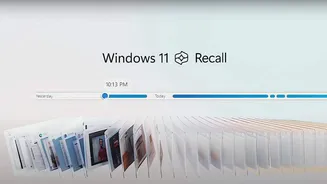
Initially designed to simplify navigating your computer's past activities, Windows Recall has sparked considerable debate. This feature captures a comprehensive
visual log of on-screen actions, encompassing application usage, web browsing sessions, personal messages, and any other content displayed. While intended as a convenience, its extensive data collection capabilities have drawn significant attention. Despite Microsoft's efforts to bolster its security, including making the feature opt-in and implementing encryption with Windows Hello authentication, new findings suggest vulnerabilities persist in how the data is handled once accessed.
The Exploitable Weakness
Recent security research indicates that the primary threat might not lie within the encrypted database of Recall itself, but rather in the subsequent data transfer process. After a user authenticates using Windows Hello, the system forwards captured screenshots, extracted text, and associated metadata to a separate component known as AIXHost.exe. The latest exploit reportedly involves injecting code into this AIXHost.exe process, a maneuver that doesn't require administrator privileges. Once the system session is active and data begins flowing, the exploit can intercept this information. Alarmingly, certain actions, such as retrieving the most recent screenshot, collecting specific metadata, or even clearing the entire Recall archive, can apparently be executed without the need for Windows Hello authentication, highlighting a significant post-login vulnerability.
Microsoft's Defense
Microsoft's stance on these revelations is that the observed behavior aligns with the system's intended security framework and existing protective measures. The company asserts that the actions demonstrated do not constitute a breach of security boundaries or unauthorized access. These concerns were formally communicated to Microsoft's Security Response Center on March 6th, and by April 3rd, the company had categorized the findings as not representing a vulnerability. However, this classification is unlikely to assuage the apprehensions of many users. The core issue remains: individuals who gain physical access to a user's PC and can bypass their Windows Hello fallback PIN could potentially access a detailed repository of their digital life, including emails, browsing history, messages, and other sensitive personal data.
Lingering Trust Issues
The very nature of Recall, with its capacity to record extensive PC activity, had already placed it under intense scrutiny. This latest report provides critics with further justification for their skepticism, even with Microsoft's assurances that the feature operates as designed. The depth of concern is evident as prominent privacy-focused companies like Signal, Brave, and AdGuard have proactively implemented measures to prevent their content from being captured by Recall by default, demonstrating that apprehension extends far beyond security experts. For users of Windows 11, the practical advice is straightforward: if Recall's functionality isn't essential, it's safer to keep it deactivated. Should you choose to enable it, it's crucial to acknowledge it as a convenience feature that comes with tangible privacy implications, and to remain vigilant for further developments, such as more applications opting out of its data capture.