


Sunny Spot Essential
For a flourishing Aparajita, or butterfly pea vine, dedicating a location that receives ample direct sunlight daily is paramount. This plant thrives under
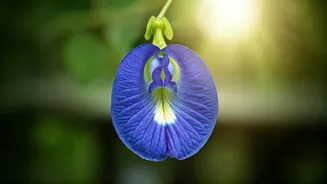
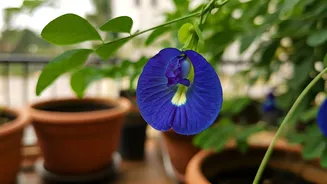
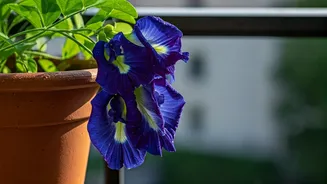
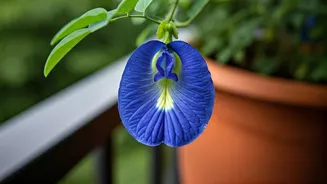
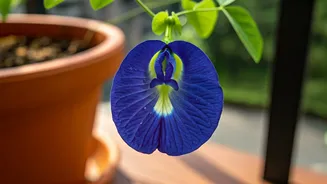
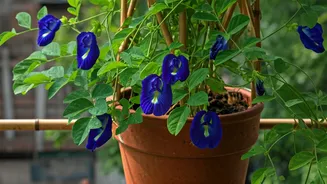
full sun conditions, which significantly boosts its blooming potential. On a balcony, positioning the pot where it can bask in strong morning or afternoon sun for the majority of the day, rather than confined to shadowy corners, is crucial. Adequate light exposure ensures the plant develops robustly and produces its characteristic beautiful blue flowers generously. Without sufficient sunlight, the vine may become leggy and produce fewer blossoms, diminishing its ornamental appeal and its connection to its revered status.
Potting and Soil Mix
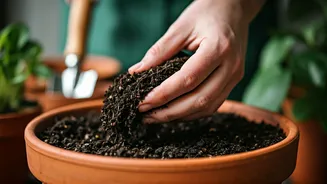
As a climbing plant, Aparajita requires ample root space and a container that allows for effective drainage. A pot with a depth of 8 to 12 inches and a width of 12 to 14 inches provides a practical and suitable starting point for its growth. Crucially, ensure the chosen container is equipped with drainage holes; stagnant water can lead to root rot, severely hindering the plant's health and flower production. The ideal soil composition for Aparajita is a light, well-draining potting mix, enriched with compost. This blend maintains aeration, preventing waterlogging, while supplying essential nutrients that nourish the plant, promoting vigorous growth and abundant flowering on your balcony.
Seed Germination Strategy
Initiating the growth of your Aparajita vine is typically straightforward using seeds. To enhance germination rates, a preliminary step of soaking the seeds is highly recommended. Submerging them in water for several hours, or even overnight, helps to soften their tough outer coating, making it easier for the embryonic plant to sprout. For an even quicker start, you can gently score or nick the seed coat before soaking. This preparation ensures a higher success rate when planting, leading to a healthy seedling that will soon begin its climb and adorn your balcony with its exquisite blue flowers.
Planting Seeds Correctly
Once prepared, sow the Aparajita seeds approximately one inch deep into your well-prepared potting mix. It is advisable to space the seeds adequately to prevent overcrowding as the young vines grow, allowing each plant ample room to develop. After planting, maintain a consistently light moisture level in the soil until germination occurs. Aparajita seeds flourish in warm environments, making balconies in warmer climates or seasons ideal for successful sprouting. Ensuring optimal temperature and consistent moisture will lead to robust young plants ready to thrive.
Watering Wisdom
Aparajita plants have a moderate need for moisture, particularly when they are young and establishing themselves. However, it is vital to avoid waterlogged soil, as this can be detrimental to the plant's health. Water the plant consistently, directing the water towards the soil rather than excessively wetting the foliage, which can foster fungal issues. A reliable approach is to water when the top inch of soil feels dry to the touch, rather than adhering to a strict daily schedule. This mindful watering ensures the plant receives adequate hydration without the risk of root problems.
Support for Climbing
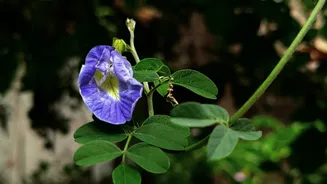
As a natural twining vine, Aparajita requires a structure to support its upward growth. A variety of simple aids can be utilized on a balcony, such as a small trellis, the railing, a wire frame, or even the existing balcony grill. Without adequate support, the vine will tend to sprawl haphazardly, appearing untidy. Conversely, providing a climbing structure allows the plant to grow in a more controlled and aesthetically pleasing manner, enhancing the overall beauty of your balcony garden and showcasing its elegant blue blooms.
Pruning for Blooms
Regular pruning plays a significant role in maintaining Aparajita's appearance and encouraging more prolific flowering. Strategic trimming helps keep the plant compact and bushy, preventing it from becoming excessively leggy and weak. Furthermore, the practice of deadheading – removing spent blooms – signals the plant to redirect its energy from seed production back into generating new flowers, thus prolonging the blooming season. Lightly trimming the growing tips of leggy stems also stimulates the development of new side shoots, leading to a fuller, more attractive plant that continuously rewards you with its beautiful blue flowers.
Pest Management
Balcony gardens can sometimes attract small pests like aphids. For Aparajita, a simple yet effective first line of defense is a strong spray of water, which can dislodge many of these tiny insects. For more severely infested leaves, manual removal can also be a viable option. In most balcony settings, these basic horticultural interventions are often sufficient to manage pest issues before resorting to more aggressive treatments. By addressing minor infestations promptly, you ensure your Aparajita vine remains healthy and vibrant, continuing to grace your space with its delightful blooms.