


Beyond the Yellow
The world of bananas extends far beyond the ubiquitous yellow variety found in most supermarkets. While the yellow banana is a common staple, other types,
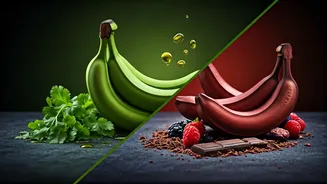
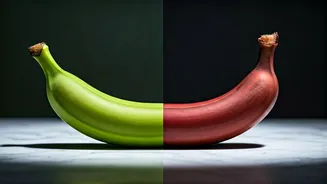
such as green and red bananas, offer distinct characteristics that can transform home cooking. Green bananas, when unripe, possess a firm, starchy texture and a mild, neutral taste, making them an excellent substitute for potatoes in savory applications. They hold their structure exceptionally well when cooked, allowing for a wide range of preparations. Red bananas, on the other hand, are known for their creamy sweetness and subtle berry-like undertones, lending themselves beautifully to desserts and gourmet touches. Embracing these diverse banana varieties introduces both technical versatility and exciting new flavor dimensions to everyday meals, opening up a broader horizon of culinary creativity for home cooks.
Green Banana: Starch Powerhouse
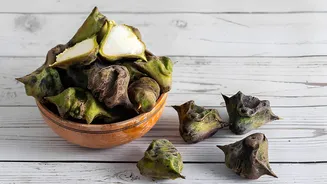
Green bananas, often utilized as a primary ingredient in many global cuisines, are harvested at their peak starch content and lowest sugar levels, according to USDA FoodData Central. This characteristic results in a firm, almost waxy texture and a mild, unobtrusive flavor profile. Their neutral taste and robust structure make them exceptionally well-suited for savory dishes, acting as a versatile base that absorbs spices and seasonings readily. Whether boiled, steamed, or fried, green bananas maintain their shape, offering a satisfying bite that can mimic the heartiness of potatoes. For optimal preservation of their starchy nature, it's advisable to store green bananas in cool, dry environments away from direct sunlight and ethylene-producing fruits like apples or yellow bananas, which can accelerate their ripening process.
Red Banana: Sweet Delights
Distinctly different from their yellow counterparts, red bananas are shorter, stockier, and boast a striking deep maroon hue. Their culinary appeal lies in their creamy texture and a flavor profile that unfolds with a distinct sweetness, often accompanied by delicate notes reminiscent of raspberries or mangoes. These characteristics position red bananas as a prime candidate for enhancing sweet dishes and adding a sophisticated touch to a variety of desserts. They are frequently incorporated into fruit salads, baked goods, and smoothies to impart a luxurious creaminess and a unique fruity essence. To achieve their optimal flavor and texture, red bananas should be ripened at room temperature until they emit a pleasant aroma and yield gently to pressure. Storing them appropriately ensures their sweetness and creamy consistency are maximized for delectable culinary creations.
Kitchen Creativity Unleashed
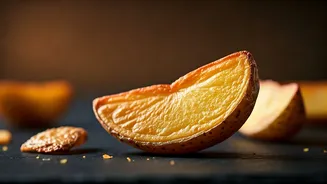
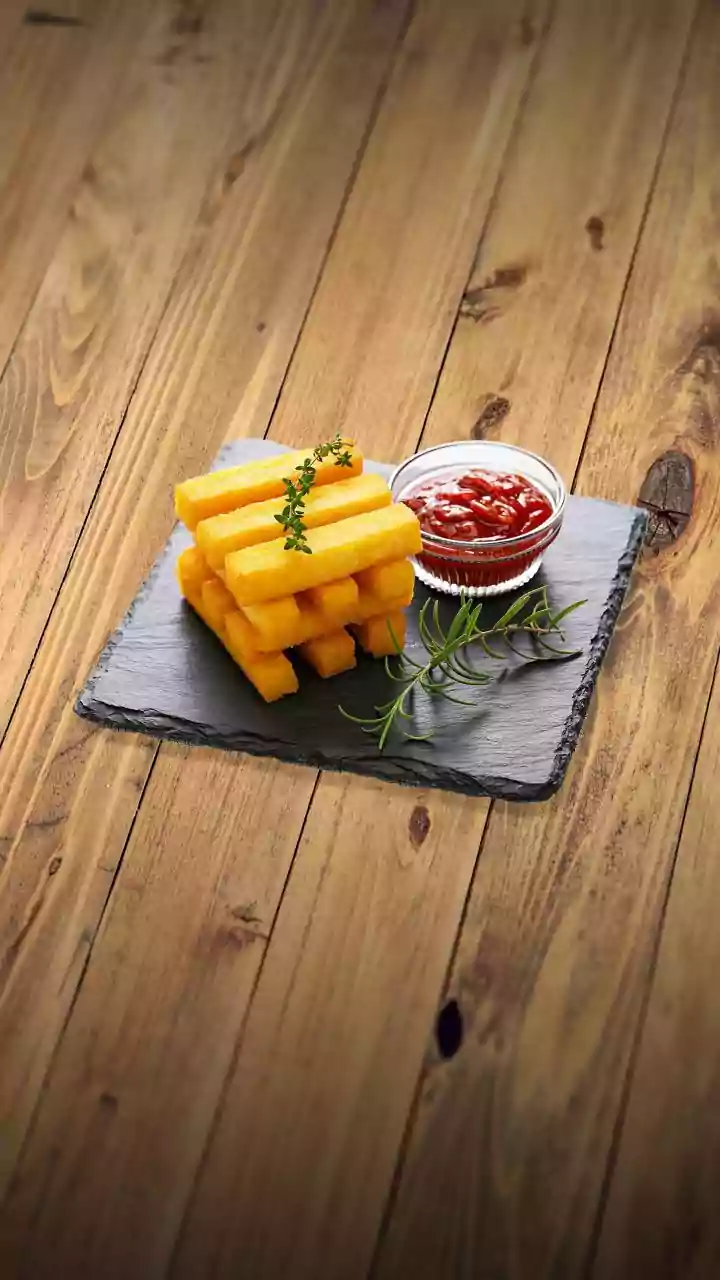
Incorporating diverse banana varieties into your cooking can significantly enhance both the technical execution and the flavor spectrum of your meals. For instance, green bananas can be transformed into crispy savory 'coins' by slicing them thinly, tossing with olive oil, cumin, turmeric, and salt, and then baking at 200°C for about 20 minutes until crisp. This preparation treats the banana much like a potato, a neutral canvas for spices. On the sweet side, ripe red bananas, which are soft with dark skins, can form the base of a delightful smoothie bowl. Blending two ripe red bananas with frozen raspberries, Greek yogurt, and a touch of honey creates a smooth, creamy mixture, perfect for topping with crunchy toasted almonds. Proper storage is key: keep green bananas cool and dry to maintain their starchiness, while allowing red bananas to ripen at room temperature for peak sweetness and aroma.