





The Deceptive Camouflage
Many homeowners mistakenly believe a fresh coat of paint can banish unsightly mould. This common decorating habit, however, is far from a solution and
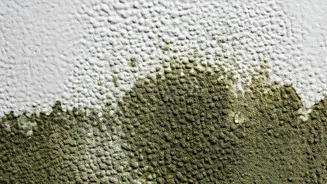
can actively worsen the problem, turning your walls into a breeding ground for invisible hazards. When you paint over active mould, you're not eradicating it; you're merely concealing it. Standard paints, often water-based, allow the mould to continue feeding on trapped moisture within the wall. This leads to a phenomenon known as 'lateral spore migration,' where the mould spreads unseen behind the plaster, extending its reach far beyond the initial visible patch. What might appear as a dinner-plate-sized stain could, in reality, be the tip of an iceberg, with the mould consuming an entire section of your wall over time. Research validates this, indicating that covering mould does not stop fungal activity but can instead facilitate concealed growth, making the problem more insidious.
The Moisture Trap Effect
Painting over mould creates a 'moisture trap' that exacerbates the issue. The paint itself acts as a seal, preventing the walls from adequately breathing. This trapped dampness, which was the original cause of the mould, is now confined within the wall assembly. This creates an ideal high-humidity environment where mould spores can thrive and multiply unchecked. Experts liken this to covering a wet sponge with cling film; the moisture has no avenue for escape and remains trapped, continuously feeding the problem. Consequently, the wall cannot dry out naturally, leading to a progressive worsening of the damp conditions. This restricted evaporation, caused by surface treatments like paint, establishes optimal conditions for fungal growth, making the initial problem significantly more persistent and difficult to resolve.
Invisible Health Hazards
Perhaps the most alarming consequence of painting over mould is the direct impact on your health. The danger lies in the 'false sense of security' it provides. Just because the black spots are no longer visible does not mean your home is free from toxic airborne particles. Mycotoxins, released by mould, can still be inhaled, leading to a range of adverse health effects. Many families report experiencing persistent symptoms such as headaches, breathing difficulties, and general fatigue, without understanding the underlying cause. The hidden mould behind freshly painted walls means the air quality in their homes is becoming increasingly toxic. Studies widely cited in public health research have established a clear association between exposure to indoor mould, even when not visually apparent, and an increased risk of respiratory symptoms, headaches, and fatigue, underscoring the critical need to address mould at its source.
The Correct Protocol
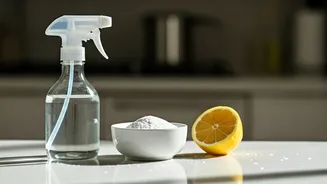
To effectively combat mould and dampness, experts advocate a clear, multi-step protocol that prioritizes eliminating the root cause rather than masking symptoms. The first crucial step is to identify and rectify the source of the moisture. Whether it's a structural leak or excessive condensation, addressing this underlying issue is paramount; otherwise, any subsequent efforts will be futile. Following this, it is essential to use a biocidal wash to kill any existing mould spores before redecorating. This step involves treating the affected area with a proper fungicidal solution and allowing it to dry completely. Finally, when it comes time to repaint, choose anti-mould breathable paints. These coatings are specifically designed to allow moisture to escape from the walls while incorporating additives that inhibit new mould growth, ensuring a healthier and more durable finish.