




Introduction to Wetlands
Wetlands are invaluable ecosystems that act as vital links between land and water, offering significant benefits to both the environment and human society.
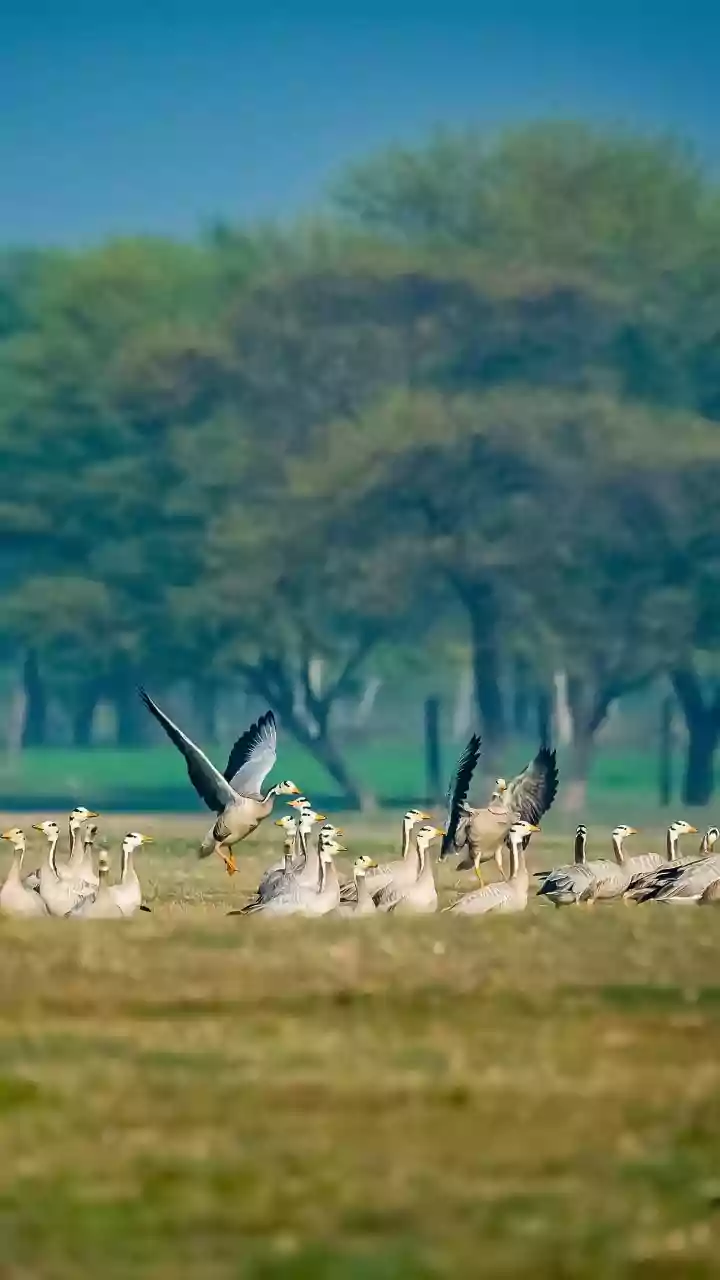
These areas, typically saturated with water either permanently or seasonally, are characterized by unique soil conditions and support specific plant and animal communities. They serve as natural sponges, absorbing floodwaters, filtering pollutants, and recharging groundwater supplies. Wetlands also offer essential habitats for a wide range of species, including migratory birds, fish, and various aquatic organisms. The preservation of wetlands is essential for maintaining biodiversity, regulating water cycles, and mitigating the effects of climate change. Their importance extends beyond ecological benefits, contributing to local economies through tourism and providing resources for sustainable practices. By safeguarding these areas, we ensure the health of our planet and the well-being of future generations.
Chilika Lake, Odisha
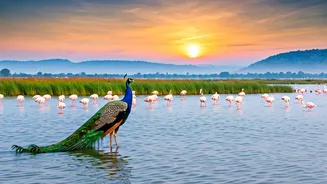
Chilika Lake, located in Odisha, is the largest brackish water lagoon in Asia, renowned for its rich biodiversity and scenic beauty. This sprawling wetland is a vital wintering ground for migratory birds from across the globe, including thousands of flamingos, pelicans, and various species of ducks. The lake supports a thriving fishing industry, sustaining local communities and providing livelihoods. The diverse ecosystem of Chilika Lake also features a variety of aquatic flora and fauna, including dolphins, crabs, and fish species. Conservation efforts are crucial to protect this significant wetland, as it faces challenges from climate change, pollution, and unsustainable fishing practices. Protecting the lake involves preserving its water quality, regulating fishing activities, and promoting sustainable tourism to ensure that Chilika Lake remains a haven for wildlife and a source of livelihood for future generations. The lake's significance extends to its cultural value, as it is also a sacred site for many local communities, further emphasizing the need for its continuous conservation.
Sundarban Wetlands, West Bengal
The Sundarban wetlands, situated in West Bengal, form the world's largest mangrove forest, a UNESCO World Heritage site and a sanctuary for the majestic Bengal tiger. This unique ecosystem, created by the convergence of the Ganges, Brahmaputra, and Meghna rivers, is characterized by its dense mangrove forests and intricate network of waterways. The Sundarbans provide shelter for a vast array of wildlife, including saltwater crocodiles, various species of birds, and the iconic Royal Bengal Tiger. The mangrove forest itself acts as a natural barrier, protecting coastal areas from cyclones and erosion. Conservation of the Sundarbans involves battling climate change impacts, deforestation, and the increasing effects of human activity, such as pollution. Sustainable management strategies focused on forest protection and encouraging responsible tourism are essential to secure this valuable ecosystem for future generations. The Sundarbans provide invaluable ecosystem services and remain a testament to nature's resilience and beauty, deserving of constant protection.
Loktak Lake, Manipur
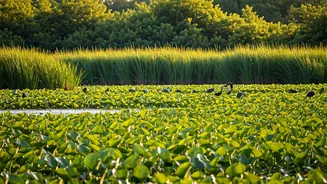
Loktak Lake in Manipur, Northeast India, is renowned for its floating phumdis (heterogeneous mass of vegetation, soil, and organic matter at various stages of decomposition) and its unique ecosystem. It is the largest freshwater lake in Northeast India, sustaining a significant population of local communities and supporting a rich variety of biodiversity. The lake is home to the endangered Sangai deer, found exclusively in the Keibul Lamjao National Park, which is part of the Loktak ecosystem. The phumdis provide a unique habitat for wildlife, and the lake supports the livelihoods of local fishermen and farmers. Conservation efforts for Loktak Lake involve managing water quality, controlling the growth of phumdis that impact the lake's ecological balance, and protecting the habitat of the endangered Sangai deer. It is essential to ensure that the delicate balance of this remarkable wetland is maintained to sustain the biodiversity and cultural heritage of the area, making it a valuable asset for India’s natural legacy.
Vembanad Lake, Kerala
Vembanad Lake, in Kerala, is the longest lake in India and the largest lake in the state, offering a stunning backdrop of the state's picturesque backwaters. It is home to a rich and diverse ecosystem, supporting a wide range of flora and fauna. Vembanad Lake also serves as an important site for both local fishing communities and tourism. The lake’s vast area is dotted with islands, paddy fields, and coconut groves, and it serves as a crucial habitat for various species of birds, fish, and other aquatic creatures. Conservation efforts focus on managing pollution from agricultural runoff, protecting the delicate mangrove ecosystems along the lake's edge, and promoting sustainable tourism practices to minimize environmental impact. Maintaining the water quality and supporting the local communities is essential for preserving the ecological integrity and cultural heritage of Vembanad Lake, ensuring its splendor for future generations and preserving the backwaters of Kerala.