




The Terafab Initiative
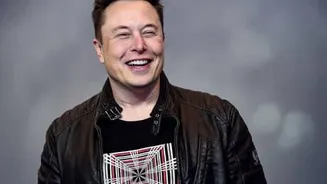
Elon Musk has unveiled Tesla's ambitious "Terafab Project," a monumental endeavor aimed at establishing one of the largest artificial intelligence (AI)
chip manufacturing facilities globally. This significant announcement, made on March 14th, sets a clear seven-day countdown for the project's commencement, signaling a pivotal move towards Tesla's self-sufficiency in producing the advanced chips essential for its future innovations. Musk has been alluding to this project for over a year, emphasizing the critical need for substantial chip production that current suppliers cannot meet, even under the most optimistic projections. He envisions the Terafab as a facility far exceeding the scale of Tesla's existing "Gigafactories," designed to churn out the immense volume of chips required for the next generation of electric vehicles and advanced AI systems. This strategic decision stems from the recognized limitations of external chip manufacturing capacity, prompting Tesla to take direct control of its destiny in AI hardware development. The scale of this undertaking underscores the company's commitment to pushing the boundaries of what's possible in autonomous driving and robotic technology.
Core Chip Technology
At the heart of the Terafab project lies Tesla's fifth-generation AI chip, codenamed 'AI5'. This proprietary silicon is meticulously engineered to power the sophisticated autonomous driving systems found in Tesla vehicles, including their Full Self-Driving (FSD) software. Furthermore, the AI5 chip is slated to be integral to Tesla's advancements in robotics, enabling more complex and intelligent functionalities. Elon Musk has previously offered glimpses of this advanced chip, highlighting its significance in the company's long-term technological roadmap. The development and in-house production of such a critical component underscore Tesla's strategy to gain a competitive edge and ensure a consistent, high-volume supply of the specialized processors needed to drive its innovative AI solutions forward. This focus on internal chip development allows Tesla to tailor hardware precisely to its software needs, optimizing performance and accelerating development cycles.
Key Industry Collaborators
Tesla is not embarking on this massive chip manufacturing venture alone; it has secured partnerships with two of the world's preeminent semiconductor manufacturers. Taiwan Semiconductor Manufacturing Company (TSMC), globally recognized as the largest and most technologically advanced contract chipmaker, is a crucial ally. TSMC's expertise is vital, as it already produces chips for tech giants like Apple and Nvidia. Additionally, Samsung, the South Korean semiconductor powerhouse, is involved in Tesla's chip manufacturing plans, bringing its extensive manufacturing capabilities to the table. Beyond these manufacturing collaborations, Elon Musk has also indicated a potential for discussions with Intel, suggesting an open approach to forging strategic alliances that could further bolster Tesla's chip production capabilities. These partnerships are instrumental in navigating the complexities of high-volume, advanced chip fabrication and addressing the escalating global demand for AI processing power, where major tech companies are vying for limited foundry capacity.