







May's Heatwave Outlook
Tamil Nadu is bracing for a significant rise in temperatures this May, with projections indicating both daytime and nighttime temperatures will exceed
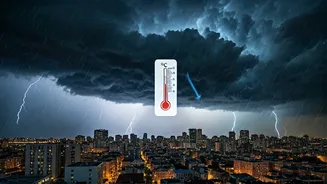
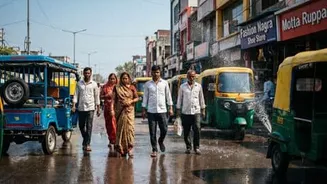
the typical averages for the month. The India Meteorological Department (IMD) has issued a stark outlook, forecasting above-normal maximum and minimum temperatures across most of the state. This persistent heat is expected to be particularly intense in the coastal regions and extend inland to the Cauvery delta districts, where three to five days of heatwave conditions are anticipated. This follows a scorching April that already saw above-normal daytime temperatures, suggesting a continuation of sizzling weather. The only exception to this trend is anticipated in certain districts nestled within the Western Ghats, which may experience slightly more moderate conditions.
Rainfall Offers Hope
Amidst the expected heat, there's a silver lining as the IMD has also forecast above-normal rainfall for Tamil Nadu in May. This increased precipitation could provide a much-needed reprieve from the elevated temperatures and help mitigate some of the potential adverse effects of the heatwave. While the heat is a primary concern, the prospect of more rain offers a balancing factor, potentially aiding water resources and agricultural activities, though specific impacts will depend on the intensity and distribution of the rainfall events throughout the month.
Agricultural Impact and Advisory
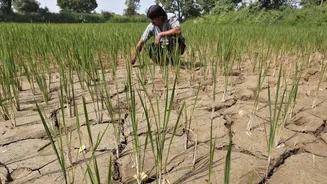
The intensified heat and changing weather patterns have direct implications for Tamil Nadu's agricultural sector. Recognizing this, the IMD has released a specific agromet advisory to guide farmers through the challenging conditions. The advisory likely outlines strategies for crop management, water conservation, and protection against heat stress for both crops and livestock. Given the forecast of extended periods of heatwave conditions, especially in coastal and delta regions, farmers will need to be particularly vigilant. The above-normal temperatures, coupled with the predicted rainfall, necessitate careful planning to ensure agricultural resilience and minimize potential crop losses or damage.