






Deeper Than Habits
The conventional wisdom often frames compulsive behaviors as ingrained habits, but a new wave of research suggests a more nuanced understanding. Instead
of solely attributing these behaviors to repetitive actions, the studies delve into the intricate interplay of psychological and neurological factors. It seems that simply telling someone to 'stop' or 'break the habit' ignores the deeper roots that fuel the behavior. The research looks at things like underlying emotional triggers, cognitive biases, and even structural differences in the brain. The implication here is that effective intervention will need to look beyond mere behavior modification techniques and consider these deeper elements that contribute to the compulsive cycle. These findings challenge us to re-evaluate our perception of these behaviors, offering a more holistic view that might ultimately lead to more effective treatments and support systems. This shift provides an opportunity to develop targeted strategies that address the core issues rather than solely focusing on surface-level manifestations.
Emotional Underpinnings Explored
One of the most compelling aspects of the research examines the strong link between emotional states and compulsive behaviors. It's often found that these behaviors are frequently triggered or exacerbated by underlying emotional distress. Feelings of anxiety, depression, or even boredom can act as powerful catalysts. The research highlights that the act of engaging in a compulsive behavior can provide a temporary reprieve or sense of control in the face of these difficult emotions. For instance, someone experiencing high anxiety might turn to compulsive hand-washing, creating a brief sense of calm. Addressing the emotional component becomes critical. It's not enough to simply try to curb the behavior; interventions need to help individuals manage their emotional states. This involves strategies like therapy, mindfulness exercises, or other methods to promote emotional regulation and resilience. The core idea is that until the emotional root is addressed, the compulsion is far more likely to continue.
Cognitive Factors Involved
Cognitive biases also play a significant role in the cycle of compulsive behaviors. Research suggests that the way people think about their actions, their perception of risk, and their ability to make decisions significantly influences the occurrence of these behaviors. For example, individuals might hold unrealistic beliefs about the consequences of not engaging in a compulsive behavior, leading to an exaggerated fear. They might also demonstrate cognitive distortions such as overestimation of the potential harm or an inability to accurately assess their capabilities to cope with the anxiety. These cognitive patterns perpetuate the compulsion. Therapies like Cognitive Behavioral Therapy (CBT) work to address these distortions and help individuals challenge these thoughts and reframe their perspectives. By modifying their cognitive processes, people can reduce the intensity of urges and develop more adaptive coping mechanisms. The emphasis is on equipping individuals with strategies to think more realistically and make rational choices.
Brain's Role Revealed
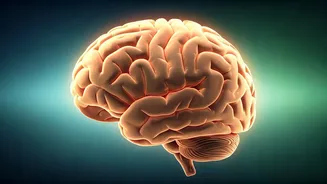
Emerging neuroscience research is uncovering intriguing insights into the neurobiological foundations of compulsive behavior. The studies suggest that there might be differences in brain structure and function in people who engage in these behaviors. Particular brain areas, such as the prefrontal cortex (involved in decision-making and impulse control), the basal ganglia (involved in reward and habit formation), and the amygdala (involved in processing emotions), are thought to play a part. This research area looks into the brain's reward pathways and the potential for imbalances in neurotransmitters, such as dopamine and serotonin. This research suggests that medication might be beneficial in certain circumstances. The goal is to correct imbalances and help to regulate brain activity. Brain imaging techniques, such as fMRI, are revealing dynamic activity patterns that correlate with the urge to engage in compulsive behaviors. Understanding the brain's role will provide new methods for treatment and may offer a more complete picture of what causes compulsive behavior.
Treatment and Support
Considering the multifaceted nature of compulsive behaviors, the most effective treatment strategies often combine different approaches. Cognitive Behavioral Therapy (CBT) is frequently used, helping individuals to identify and challenge negative thought patterns and develop coping mechanisms. Exposure and Response Prevention (ERP) can be an important strategy, allowing people to face their fears in a safe environment. In some cases, medication, such as selective serotonin reuptake inhibitors (SSRIs), may be used to address underlying mental health conditions, like anxiety or depression. Support groups and family therapy can also be instrumental, creating a safe space for people to discuss their experiences and offering the support they need. The key is to address not only the behavior itself but also the emotional, cognitive, and neurological aspects that contribute to the problem. It is essential to work with mental health professionals to develop a personalized treatment plan.