


JWST's Cosmic Gaze
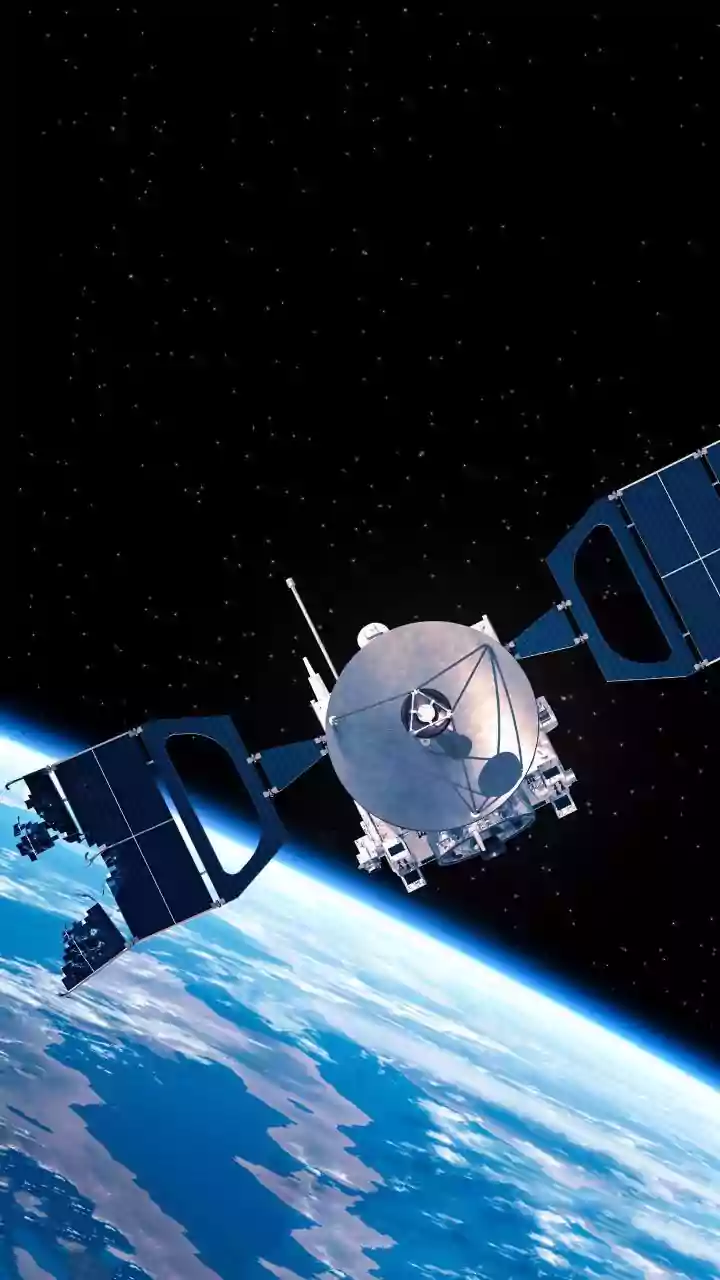
The James Webb Space Telescope, or JWST, is revolutionizing our ability to observe the early universe. Its advanced infrared capabilities allow it to see
through cosmic dust and detect light from the earliest galaxies and stars. These observations are crucial for understanding the formation and evolution of galaxies, and the role that supermassive black holes played in these processes. The JWST's unique vantage point allows astronomers to peer far back in time, providing data that was previously inaccessible.
Unveiling SMBH Origins
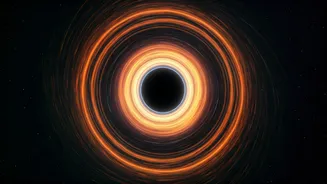
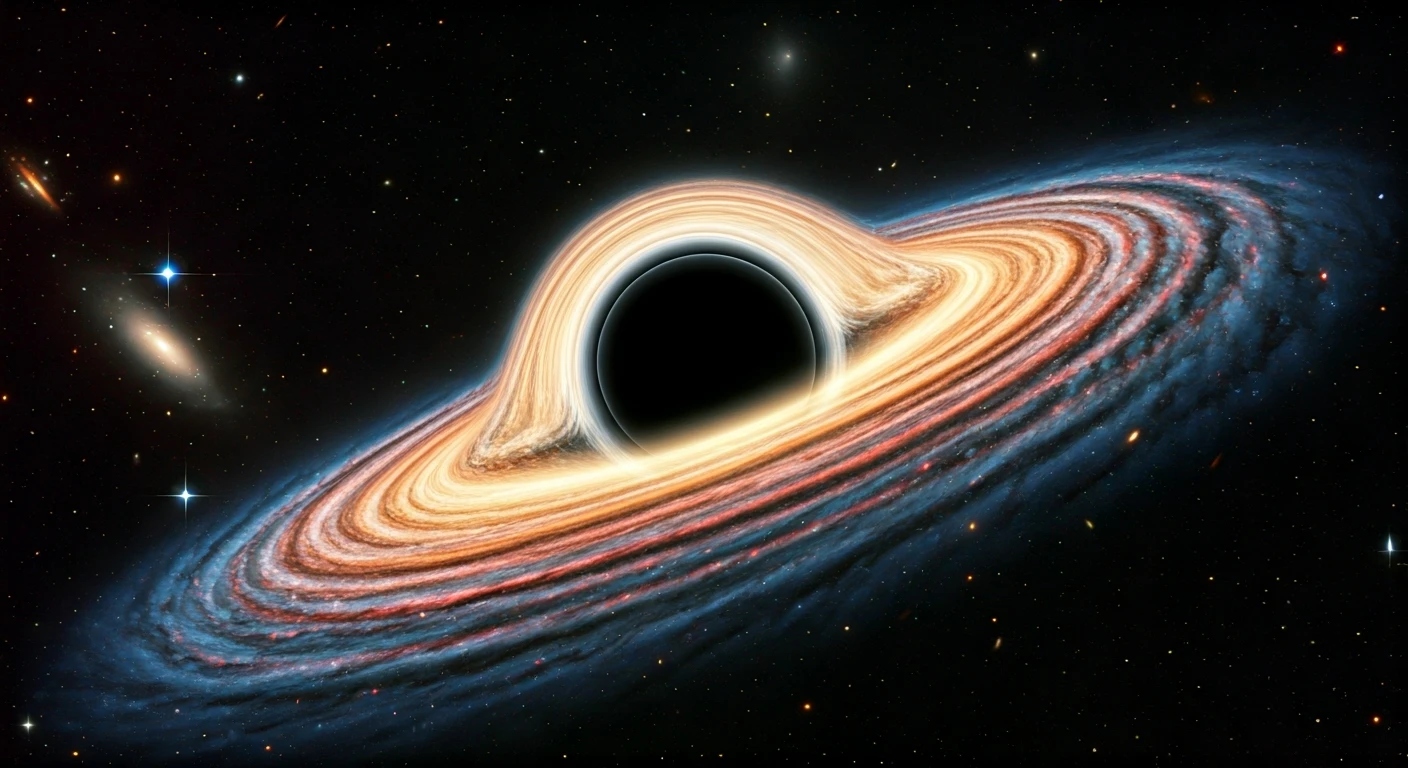
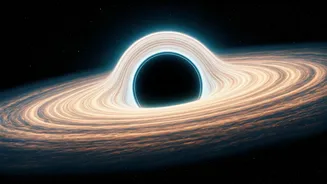
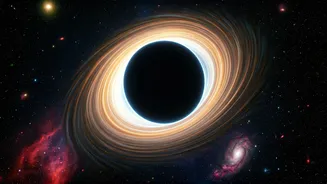
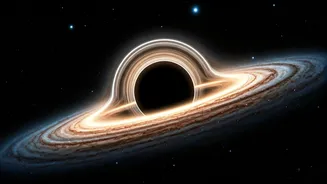
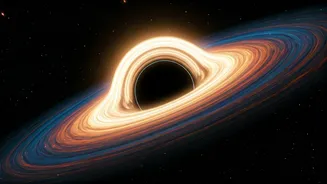
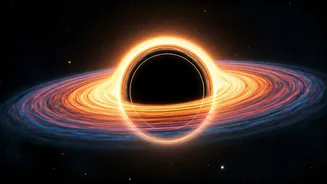
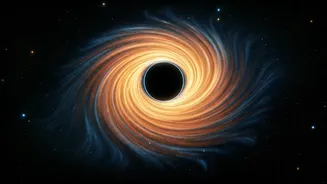
One of the primary goals of JWST's mission is to understand how supermassive black holes came to exist so early in the universe. These black holes, with masses millions or even billions of times that of our sun, are found at the centers of nearly all large galaxies. Determining the mechanisms behind their rapid growth in the early universe is a major challenge. The JWST's data is offering astronomers clues regarding the environments where these SMBHs first formed, and what factors might have contributed to their rapid growth in the primordial universe.
Early Universe Insights
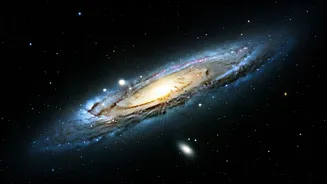
The study of the early universe provides a unique window into the processes that shaped the cosmos we observe today. Analyzing data from the JWST, researchers are piecing together the timeline of galaxy formation, and how SMBHs influenced the growth and evolution of galaxies. It seems that the formation of the first galaxies and the growth of their central black holes might have been closely intertwined. The observations are enabling scientists to test different models of how these objects might have originated and developed.
Galactic Evolution Explained
The relationship between supermassive black holes and galaxies is a key topic of research. SMBHs can significantly impact the environment around them by influencing the rate of star formation and even expelling gas. This can regulate the growth of the galaxy itself. The JWST observations are allowing astronomers to see how the black holes and their host galaxies co-evolved over cosmic time. Further data is expected to refine our understanding of this intricate relationship, which is fundamental to understanding the universe's structure and development.
Future Discoveries Await
The JWST's mission is just beginning, and more discoveries are anticipated as it continues to observe the universe. As the telescope gathers more data, scientists anticipate further insights into the origins of supermassive black holes and their relationship to galaxy formation. The advanced technological capabilities of the JWST are set to reshape our understanding of the universe's past. Ongoing studies promise to reveal new knowledge about the cosmos and its evolution.