
A Microbial Quest
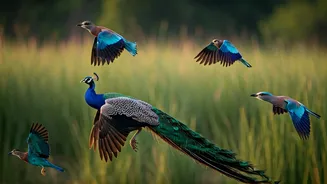
Kerala's government initiated a novel scientific endeavor, intending to declare a state bacterium. This pursuit closely mirrors previous decisions where
the state formally acknowledged its state animal and state bird. The quest to identify a state bacterium signifies Kerala's commitment to documenting and understanding the diverse elements within its ecological makeup. The move reflects a proactive strategy to underline the biological uniqueness of the region, extending the scope beyond just the visible flora and fauna, and diving into the unseen world of microorganisms. This exploration anticipates uncovering distinctive bacterial species, further broadening the scientific awareness of Kerala's natural heritage and potential. It showcases a forward-thinking approach to conservation and scientific exploration, aiming to conserve the unseen treasures of Kerala.
Why Identify Bacteria?
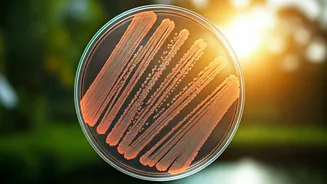
The decision to identify a state bacterium carries significant scientific and conservation implications. Bacteria, an essential part of ecosystems, are crucial to many biological processes, ranging from nutrient cycling to interactions with other organisms. By identifying a specific bacterium as representative of the state, Kerala can highlight its unique microbial diversity. This initiative will not only assist in the conservation efforts but also contribute to research. Scientific examination of the state bacterium could result in the discovery of novel characteristics, properties, and applications. Moreover, it can boost a deeper comprehension of the complex microbial ecosystems prevailing in Kerala's specific environmental conditions. Such explorations can contribute to a wider understanding of the impacts of environmental variations, pollution, and climate change on microbial communities.
Expanding Conservation Strategies
The acknowledgment of a state bacterium can profoundly impact Kerala’s conservation strategies. It provides a means to concentrate on the protection of both the specific species and its habitat. Identifying the bacterium promotes the adoption of comprehensive preservation strategies, including habitat preservation, ecosystem monitoring, and conservation plans tailored for the identified species. The endeavor also presents opportunities for educational campaigns to raise public awareness. Informing the public about the importance of microbial diversity in preserving ecological balance will contribute to a more profound appreciation for the state's natural assets. Furthermore, it reinforces Kerala's commitment to sustainable development, encouraging a holistic perspective on conservation that incorporates the microscopic realm. The initiative sets a precedent for other states to adopt similar methods in recognizing and protecting their unique biological components.
Scientific Collaboration and Research
This initiative stimulates partnerships between research institutions, universities, and government bodies. Such collaborations improve research capacities, promote knowledge exchange, and advance scientific understanding. The discovery of a state bacterium offers new research avenues, allowing scientists to examine its genetic makeup, metabolic characteristics, and ecological function. This research contributes to a wealth of scientific data, establishing a foundation for advanced investigations into biodiversity, biogeochemistry, and biotechnology. The recognition also stimulates interdisciplinary research, enabling researchers to integrate knowledge from biology, environmental science, and microbiology. This integrated approach cultivates a more comprehensive understanding of the state's environment and ecological dynamics.
Future Implications and Legacy
The identification of a state bacterium promises a lasting legacy for Kerala. It cements the state’s standing as a leader in conservation and biodiversity research, promoting a progressive attitude towards environmental protection. The recognition can inspire innovative ways to harness the bacterium's beneficial properties. This might include applications in biomedicine, bioremediation, or agriculture, helping to address issues like pollution mitigation or crop growth. Furthermore, this initiative offers a model for other regions, encouraging a widespread effort to investigate and protect microorganisms worldwide. By pioneering this approach, Kerala is not just celebrating its biodiversity; it is actively shaping the future of scientific research and environmental conservation, ensuring a sustainable and ecologically rich future for generations.