





Shifting AI Hardware Alliances
The artificial intelligence landscape is experiencing a significant tectonic shift as a prominent AI developer, known for its Claude models, announces
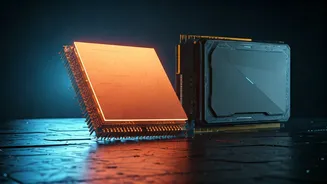
a new strategic partnership. This collaboration will involve leveraging advanced computing power from Google, specifically their custom-designed Tensor Processing Units (TPUs). This move signifies a deliberate strategy to diversify the company's hardware ecosystem, moving beyond its previous heavy reliance on a single dominant chip manufacturer. The partnership aims to secure substantial next-generation TPU capacity, scheduled to become operational from 2027, ensuring the continued robust performance and scalability of its cutting-edge AI models. This diversification is crucial for maintaining a competitive edge and ensuring resilience in the rapidly evolving AI sector.
Google's Expanding AI Reach
Google is significantly expanding its role in the AI infrastructure ecosystem by opening its proprietary data centers, which house its powerful Tensor Processing Units (TPUs), to external entities. Historically, Google has utilized its own TPUs alongside hardware from Nvidia to support its AI endeavors. However, this new approach marks a pivotal moment, allowing other major AI players to access and utilize this specialized computing power. This strategic decision not only bolsters Google's cloud computing offerings but also positions it as a viable alternative for companies seeking to power their AI models, potentially reducing their dependence on the current market leader and fostering a more competitive and innovative environment within the AI hardware sphere.
Impact on Market Dynamics
This strategic alliance between Anthropic and Google, bolstered by Broadcom's chip capabilities, is poised to introduce notable pressure on Nvidia, the current titan of the AI chip market. For an extended period, Nvidia's graphics processing units (GPUs) have been the de facto standard, forming the foundational hardware for a vast majority of AI models across numerous leading technology firms. The sheer demand for these chips has propelled Nvidia to unprecedented market valuations. However, with major AI developers actively seeking to broaden their hardware sources and exploring alternatives like Google's TPUs, the landscape is beginning to change. While Nvidia's leadership is unlikely to vanish overnight, such significant partnerships signal a clear trend towards reducing single-supplier dependency among major AI players.
Diversification Beyond Nvidia
The recent substantial growth and increasing popularity of the Claude family of AI models have translated into remarkable financial gains, with run-rate revenue reportedly surging to over $30 billion in 2026, a significant leap from approximately $9 billion at the close of 2025. This rapid expansion necessitates a robust and scalable AI infrastructure. While this groundbreaking partnership with Google and Broadcom introduces new hardware avenues, it's important to note that the company is not abandoning its existing relationships. Claude models continue to be trained and operated across a diverse range of platforms, including AWS Trainium and Nvidia's AI chips, alongside Google's TPUs. This multi-pronged approach highlights a sophisticated strategy to ensure hardware flexibility and mitigate risks associated with relying too heavily on any single provider.