
Unveiling Flavanols' Magic
Flavanols, a subgroup of flavonoids, are attracting a lot of attention for their cognitive benefits. Unlike many nutritional guidelines that emphasize
specific nutrient categories, the focus here is on this unique compound. They are abundant in various plant-based foods, including cocoa, berries, and apples. Scientists are discovering that flavanols do something unique, breaking the conventional rules of nutrition, such as their ability to cross the blood-brain barrier. The blood-brain barrier is a protective mechanism that generally restricts substances from entering the brain. Flavanols' ability to bypass this barrier allows them to directly influence brain function. This intriguing characteristic highlights their potential to revolutionize our understanding of how dietary choices impact cognitive well-being.
Brain-Boosting Pathways Explored
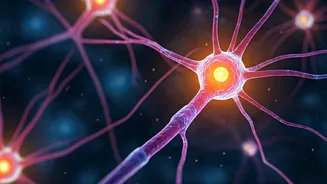
Once flavanols enter the brain, they trigger a cascade of beneficial effects. These compounds are known to enhance blood flow, which is crucial for delivering oxygen and nutrients to brain cells. Moreover, flavanols possess potent antioxidant properties, safeguarding brain cells from damage caused by harmful free radicals. These free radicals can contribute to cognitive decline and other neurological issues. Furthermore, research indicates that flavanols might improve the communication between brain cells, potentially enhancing learning and memory. This complex interaction demonstrates how flavanols play multiple roles in supporting and improving overall brain health. Studies show that people who consume food rich in flavanols experience improvement in cognitive functions, and this is attributed to the presence of flavanols.
Foods Packed With Flavanols
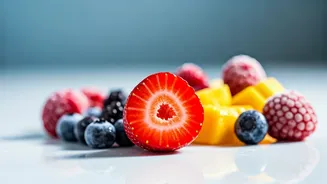
Incorporating flavanols into your diet is easier than you might think. Many delicious and readily available foods are naturally rich in these compounds. Cocoa and dark chocolate are excellent sources; however, be mindful of added sugars. Berries, such as blueberries, strawberries, and raspberries, are also packed with flavanols. Apples, especially the skin, offer a good dose, as do certain types of tea, like green tea and black tea. Some studies suggest that the consumption of these flavanol-rich foods can enhance cognitive function and potentially lower the risk of cognitive decline with age. By making simple dietary adjustments, you can increase your flavanol intake and potentially experience the brain-boosting benefits. It's about enjoying delicious foods while supporting your cognitive health.
Future Research Directions
The exploration of flavanols' impact on brain health is an ongoing process. Current research focuses on understanding the specific mechanisms by which flavanols exert their effects. This includes how they interact with different brain regions, which aspects of cognition they most significantly impact, and how their benefits may vary depending on factors such as age, genetics, and overall health. Furthermore, scientists are exploring the potential of flavanols in preventing or treating neurodegenerative diseases, like Alzheimer's and Parkinson's. Clinical trials are underway to assess the efficacy of flavanol-rich diets or supplements in improving cognitive function in individuals with these conditions. The future holds exciting possibilities for harnessing the power of flavanols to promote optimal brain health throughout life, and more clinical studies are currently underway to understand this complex relationship.