









Gemini Enters Maps
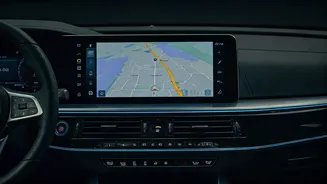
Google is incorporating its Gemini AI into Google Maps, primarily targeting the navigation experience of pedestrians and cyclists. The move marks a strategic
shift towards leveraging AI to refine and improve the usefulness of its mapping service. The addition of Gemini is aimed at enhancing route planning, offering smart suggestions, and potentially allowing for better interaction through voice controls. This is more than just an update; it's a step toward making navigation more intuitive and adaptable to each user's needs. The initiative underlines Google's ongoing investments in artificial intelligence and its goal to keep the Google Maps application at the forefront of location-based services. This integration could potentially redefine how people navigate, making it smarter and more adaptive to their travel methods. This update is designed to accommodate the growing demand for user-friendly navigation applications.
AI-Driven Navigation
The integration of Gemini AI is expected to significantly improve route planning and provide users with smarter route suggestions. The AI has the potential to consider various factors, such as real-time traffic conditions, preferred routes, and user preferences, to determine the most effective routes. This feature is particularly helpful for walkers and cyclists, who often require more personalized routing. For cyclists, AI could consider routes based on road conditions, elevation, and designated bike lanes. It will also offer proactive advice that could lead to a less stressful journey overall. By adapting to unique user needs and constantly learning from user behavior and environmental factors, Gemini is poised to greatly improve the usefulness and ease of the Google Maps experience, making it a more personalized navigation tool.
Voice Control Updates
Besides route optimization, the integration of Gemini AI is expected to improve voice control in Google Maps. Users could potentially manage navigation through voice commands, making the experience hands-free and safer. Enhancements to the voice interface could allow users to easily search for places, start navigation, change routes, and get real-time information with voice commands, thereby minimizing the need for manual interaction with the device. This integration could prove to be crucial, especially when driving or cycling, offering a practical solution that minimizes distractions while improving the user experience. By streamlining the interface with voice commands, users can concentrate on their surroundings while maintaining constant contact with the mapping and navigation system.
Impact on Users
This update is expected to change the way users interact with Google Maps. With AI-driven suggestions and improved voice control, navigation could become more seamless and intuitive. Walkers, cyclists, and drivers stand to profit from more tailored routes and hands-free interaction, which increases convenience and safety. The ability of Gemini to learn and adapt to user preferences over time is expected to further enhance the navigation experience, making it more personal and efficient. This incorporation signifies a shift toward smarter, more user-centric navigation that will continue to improve as AI algorithms develop and user input is integrated. The update underscores Google's commitment to pushing innovation to provide the best possible services for its users.