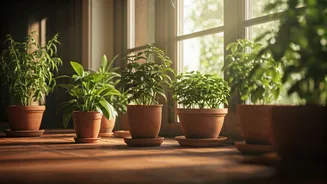








Aromatic Basil Defense
Basil, a common herb in Indian kitchens, boasts a distinctive scent akin to cloves that lizards find highly unpleasant, causing them to retreat. This plant
thrives in sunny conditions and is frequently incorporated into culinary dishes, making it a dual-purpose addition to your home. Beyond its flavour, basil serves as an excellent natural pest deterrent, establishing itself as a primary choice for repelling lizards through its potent aroma.
Garlic's Sulfur Shield
Garlic, renowned for its potent sulfurous odor, is a well-established natural repellent for various pests, including lizards. Researchers suggest leveraging its strong smell to keep these unwelcome visitors at bay. A practical approach involves strategically planting garlic cloves around the base of pots or creating garlic braids to hang near entryways. This method not only helps maintain a lizard-free environment but also ensures a readily available supply of garlic for your kitchen, offering a cost-effective and eco-friendly pest control solution.
Citrusy Lemongrass Barrier
Lemongrass emanates a powerful citrus fragrance that effectively dissuades lizards, acting as an invisible yet formidable barrier. While this scent is pleasing to humans, it creates an unwelcoming atmosphere for reptiles. Positioning lemongrass plants near doors and other entry points is highly recommended. Alternatively, the essential oil derived from lemongrass can be used to create aromatic deterrent sprays. Thriving in warm, humid conditions, lemongrass is also edible, making it a versatile and beneficial plant for both pest management and culinary uses.
Marigold's Pyrethrin Power
Marigolds are celebrated for their vibrant colours and a natural compound called pyrethrin, which acts as a powerful insect and lizard repellent. These cheerful flowers can be planted along garden borders or placed on window sills, adding aesthetic appeal while simultaneously warding off unwanted creatures. Their bright blooms are particularly fitting for Indian festivities, contributing visual charm and a protective shield. Marigolds are an excellent choice for those seeking to beautify their space and maintain a lizard-free zone.
Lavender's Soothing Repulsion
The fragrant allure of lavender, with its distinct floral notes, is surprisingly effective in driving lizards away. This potent aroma is not favoured by many insects either, making it a dual-action repellent. You can utilize lavender by diluting its essential oil and spraying it in areas frequented by lizards, or by planting it in a sun-drenched spot. Originating from the Mediterranean, lavender is relatively low-maintenance, making it suitable for indoor cultivation, thereby contributing to peaceful nights free from lizard disturbances.
Eucalyptus's Aromatic Oils
Eucalyptus leaves are imbued with oil glands that release a strong, aromatic scent which lizards find exceptionally repulsive. Studies indicate that the fragrance of eucalyptus is as disagreeable to lizards as it is to most common insects. For optimal results, place potted eucalyptus plants, also known as Nilgiri, near your home's entrances. This plant, originally from Australia, flourishes well on balconies with adequate light, helping to transform your home into a lizard-free sanctuary.
Rosemary's Pungent Deterrent
Rosemary possesses a pungent aroma that naturally repels house lizards, guiding them away from your living spaces and potted plants. This European herb's strong fragrance effectively deters lizards. It flourishes in pots where temperatures consistently remain above 10°C, making it suitable for cooler climates. Rosemary can be used in cooking or incorporated into homemade spray solutions. Beyond keeping lizards at bay, it also imparts a pleasant fragrance to your garden, offering a chemical-free solution for pest control.
Peppermint's Minty Blast
The sharp, invigorating scent of peppermint is overwhelming to a lizard's sensitive olfactory senses, prompting them to flee quickly. Research suggests that strong aromas can disrupt lizards' comfort. Peppermint can be grown in pots near windowsills or its leaves can be mixed with water to create an effective spray for entry points. This plant, a native of Europe, thrives indoors with partial sunlight and also doubles as an effective spider repellent, refreshing your home while successfully deterring unwanted guests.