







Ancient Threads Unearthed
Remarkably, the world's most ancient known sewn garment has been discovered, consisting of stitched pieces of Ice Age hide found within an Oregon cave.
This incredible find provides a tangible link to our prehistoric ancestors and their crafting abilities, offering a glimpse into the daily lives and survival strategies of people tens of thousands of years ago. The meticulous stitching suggests a level of skill and resourcefulness that challenges previous assumptions about early human technology. This discovery not only rewrites our understanding of ancient textiles but also opens new avenues for researching prehistoric human behavior, tool use, and adaptation to extreme environments. The preservation of these fragile fragments allows scientists to study early sewing techniques, the types of materials used, and potentially even the purpose of the clothing, whether for warmth, protection, or ritual. It’s a profound testament to human ingenuity dating back to a time when survival was paramount, showcasing how early humans adapted and innovated to thrive in harsh prehistoric conditions. This archaeological marvel offers a direct window into a distant past.
Ancestral DNA's Influence
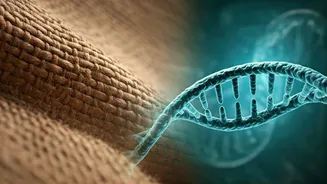
Our genetic inheritance, particularly DNA inherited from ancient human relatives like Neanderthals, profoundly influences our current health. Research indicates that segments of DNA from these long-lost ancestors can affect various aspects of our physiology, from immune system responses to susceptibility to certain diseases. For instance, Neanderthal DNA might offer protective benefits against some pathogens, while simultaneously increasing the risk for others, such as autoimmune disorders or allergies. Understanding these ancient genetic contributions helps us unravel the complex tapestry of human health and disease. It sheds light on why individuals respond differently to illnesses and treatments, and how our evolutionary past continues to shape our present-day well-being. This area of study is crucial for personalized medicine, allowing for more targeted approaches to disease prevention and management based on an individual's unique genetic makeup, which includes these ancient lineages. The implications are far-reaching, connecting our modern health challenges to the deep history of human evolution.
Lifespan and Heart Health
New research suggests that an individual's lifespan may be up to 50% heritable, meaning genetics plays a significant role in how long we live. This intrinsic biological blueprint interacts with environmental factors and lifestyle choices to determine longevity. Intriguingly, studies also highlight a potential link between being a 'night owl' and experiencing poorer heart health. Those who naturally stay up late may face an increased risk of cardiovascular issues, although the exact mechanisms are still being explored. Furthermore, a notable disparity exists in cardiovascular disease development, with men generally experiencing it about seven years earlier than women. This gender-based difference points to complex hormonal, genetic, and lifestyle factors that warrant further investigation to improve preventative strategies for both sexes. Understanding these genetic predispositions and chronobiological influences is key to developing more effective public health interventions aimed at promoting longer, healthier lives.
Surprising Health Stories
The landscape of health in recent years has been marked by a series of extraordinary events and emerging trends. One astonishing medical feat involved a woman successfully delivering a full-term abdominal pregnancy while simultaneously undergoing the removal of a colossal 22-pound cyst, a testament to incredible resilience and advanced medical intervention. On a more concerning note, infant mortality rates have been observed to be on the rise in the US, with experts frequently citing stricter abortion laws as a significant contributing factor. The world of infectious diseases also presented its share of unique challenges, including the extremely rare report of a teenager contracting 'welder's anthrax,' marking only the ninth known case globally. These diverse medical narratives underscore the complexities and ongoing evolution of healthcare, from groundbreaking surgical successes to the persistent challenges of public health and rare disease management.