







The Mommy Brain Phenomenon
The term 'mommy brain' describes the common experience of forgetfulness, mental fog, and difficulty concentrating reported by women during and after pregnancy.
This isn't a sign of lost capability, but rather a reflection of a brain actively adapting to new priorities. Everyday manifestations include misplacing items, searching for words mid-sentence, or feeling mentally scattered when juggling multiple tasks. For many, it's characterized by a constant state of divided attention, where the mind is perpetually engaged with the needs of a new life, even while performing other tasks. This pervasive cognitive state arises from the profound changes the body and mind undergo to nurture and protect a developing or newly born child, leading to a shift in mental focus and processing.
Unpacking the Science
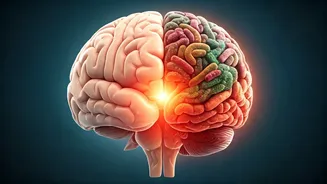
Scientific research, including longitudinal brain-imaging studies, reveals that 'mommy brain' is associated with measurable neurological changes. One significant study tracked women from before conception through two years postpartum, observing an average 4% reduction in gray matter volume in specific brain regions. Simultaneously, white matter connections showed increased structural integrity. These alterations are closely linked to significant hormonal fluctuations, particularly rising levels of estrogen and progesterone, coupled with the sleep disruptions inherent in pregnancy and early infant caregiving. Experts interpret these shifts not as a decline in cognitive function, but as a neural recalibration. Key brain areas involved in memory, attention, and decision-making undergo a reorganisation, while regions responsible for empathy, vigilance, and responding to infant cues become more finely tuned and responsive. This pattern is akin to the brain reorganizations observed during adolescence as it matures.
Mothers' Lived Experiences
The lived realities of new mothers paint a vivid picture of 'mommy brain' in action. Many describe physical changes during pregnancy that make daily tasks feel more demanding. Postpartum life intensifies this with a combination of sleep deprivation, slow physical recovery, and the overwhelming responsibility of a newborn, leading to a quiet accumulation of mental stress. Support systems play a crucial role; having an understanding partner and family can provide much-needed moments of rest. Emotionally, new mothers often navigate a period of instability, experiencing mood swings and a sense of overwhelm that takes time to process. Forgetfulness, nausea, and mood fluctuations are common physical and cognitive markers of this transition. Some mothers articulate the experience as their brain having '10 tabs open' simultaneously, constantly juggling baby-related thoughts—feeding, sleep, health—alongside immediate tasks. Sleep loss is a major exacerbating factor, amplifying the mental burden. While this state might not disappear entirely, many learn to navigate it by slowing down, accepting imperfections, and openly communicating their feelings.
Expert Perspectives
From a psychological standpoint, 'mommy brain' is a widely recognized phenomenon, though not a formal clinical diagnosis. Experts confirm that women frequently report forgetfulness, impaired attention, and mental fog during pregnancy and the postpartum period. Research suggests mild, measurable changes in memory and executive functions. These shifts primarily affect memory, attention, working memory, and executive functions like planning and multitasking, driven by hormonal changes, sleep deprivation, and caregiving demands. It's crucial to understand that this is not a sign of reduced intelligence but a temporary adaptation of cognitive priorities. While most mothers experience gradual improvement within months, factors like sleep, stress, and support influence recovery. Psychologically, 'mommy brain' is seen as a confluence of biological, psychological, and lifestyle factors, with sleep deprivation being a significant contributor due to its direct impact on cognitive processes. The constant state of hypervigilance required for infant care, coupled with the profound identity transition into motherhood, can lead to emotional overwhelm and exhaustion. Hormonal shifts further complicate mood regulation and stress tolerance. Experts emphasize that validating a mother's experience, rather than dismissing it as simply 'part of motherhood,' is crucial for her well-being. Practical support, where partners actively participate in planning and household tasks without explicit instruction, is also vital. Avoiding comparisons that induce shame is paramount, as supported mothers are better equipped to navigate this challenging yet rewarding phase.
When to Seek Help
While mild forgetfulness and fatigue are typical after childbirth, it's important to recognize when 'mommy brain' symptoms might indicate something more serious. Persistent and debilitating cognitive difficulties that significantly impact daily functioning warrant professional attention. Conditions like postpartum depression and anxiety can manifest with deeper emotional distress beyond temporary cognitive fatigue. Key warning signs to look out for include prolonged sadness or emotional numbness, withdrawal from the baby or social interactions, excessive guilt or feelings of inadequacy as a mother, pervasive anxiety or panic attacks related to the baby's well-being, a loss of interest in activities once enjoyed, persistent feelings of hopelessness, inability to sleep even when the baby rests, and extreme emotional exhaustion that doesn't alleviate. Recognizing these signs and seeking professional counseling or medical help with empathy, rather than judgment, is crucial for timely intervention and effective treatment.