





The Dieting Paradox
For many years, the dominant approach to shedding pounds has been a straightforward mantra: consume fewer calories. This often translates into restrictive
meal plans, meal-replacement products, and an overall ethos of eating less. However, emerging scientific research is challenging this long-held belief by highlighting a critical oversight: the packaging of calories. The problem may not be the quantity of food itself, but rather how easily we can overconsume energy when calories are concentrated in small volumes. Consider the stark contrast between a small pastry and a substantial plate of chicken, vegetables, and starch; both could contain similar caloric loads, yet the former is consumed in a fraction of the time. This disparity underscores a fundamental flaw in our understanding of sustainable weight management, suggesting that drastic portion control, while seemingly effective in the short term, often proves unsustainable due to persistent hunger and feelings of deprivation.
Why Restriction Backfires
The conventional advice to 'eat less' frequently proves counterproductive because it neglects the intricate mechanisms of human hunger and eating behavior. Individuals naturally tend to regulate their food intake based on the physical amount and weight of food on their plate—what's known as volume—rather than meticulously counting calories. When restrictive diets drastically shrink these portions, meals can leave individuals feeling unsatisfied and deprived from the outset. This is further exacerbated when these reduced portions are composed of calorie-dense foods, such as pastries, chips, or highly processed meals. These items pack a significant caloric punch without occupying much physical space or providing lasting fullness. Furthermore, many ultra-processed foods are engineered for rapid consumption. They typically combine refined carbohydrates, fats, and salt in highly palatable formulations, while being low in water and fiber and having a soft texture that requires minimal chewing. This combination facilitates swift calorie intake before the body's satiety signals can effectively register. These signals, mediated by hormones and stomach stretch receptors, take approximately 15 to 20 minutes to communicate fullness to the brain. By the time these signals activate, individuals consuming fast, energy-dense foods may have already ingested hundreds of calories, making 'eating less' a biological and psychological uphill battle.
Power of Protein and Fiber
Individuals aiming for weight loss can still enjoy substantial meals without compromising their goals; the key lies in adopting a different eating strategy. Instead of broadly eliminating food categories or adhering to rigid restrictions, focusing on meals rich in protein and fiber, and emphasizing minimally processed foods, can be a more effective path to satiety and reduced overall caloric intake. Scientific studies, such as one published in the _Journal of Obesity and Metabolic Syndrome_, indicate that a diet high in protein is a potent tool for weight reduction and can significantly help in preventing weight regain, a common challenge, though more long-term clinical trials are needed. Protein contributes to weight loss partly by boosting anorexigenic hormones, which promote feelings of fullness, and by suppressing ghrelin, a primary hunger hormone often referred to as the 'eat' signal. Similarly, fiber plays a crucial role by adding bulk to meals and slowing down digestion, thereby extending the feeling of fullness. Research in the _Journal of the American College of Nutrition_ has linked higher fiber intake to lower body weight. By consistently incorporating these nutrients into meals, individuals can naturally enhance satisfaction, reducing the urge to overeat later, not through forced restraint, but through the inherent satiating properties of the food itself.
Volume Without Calories
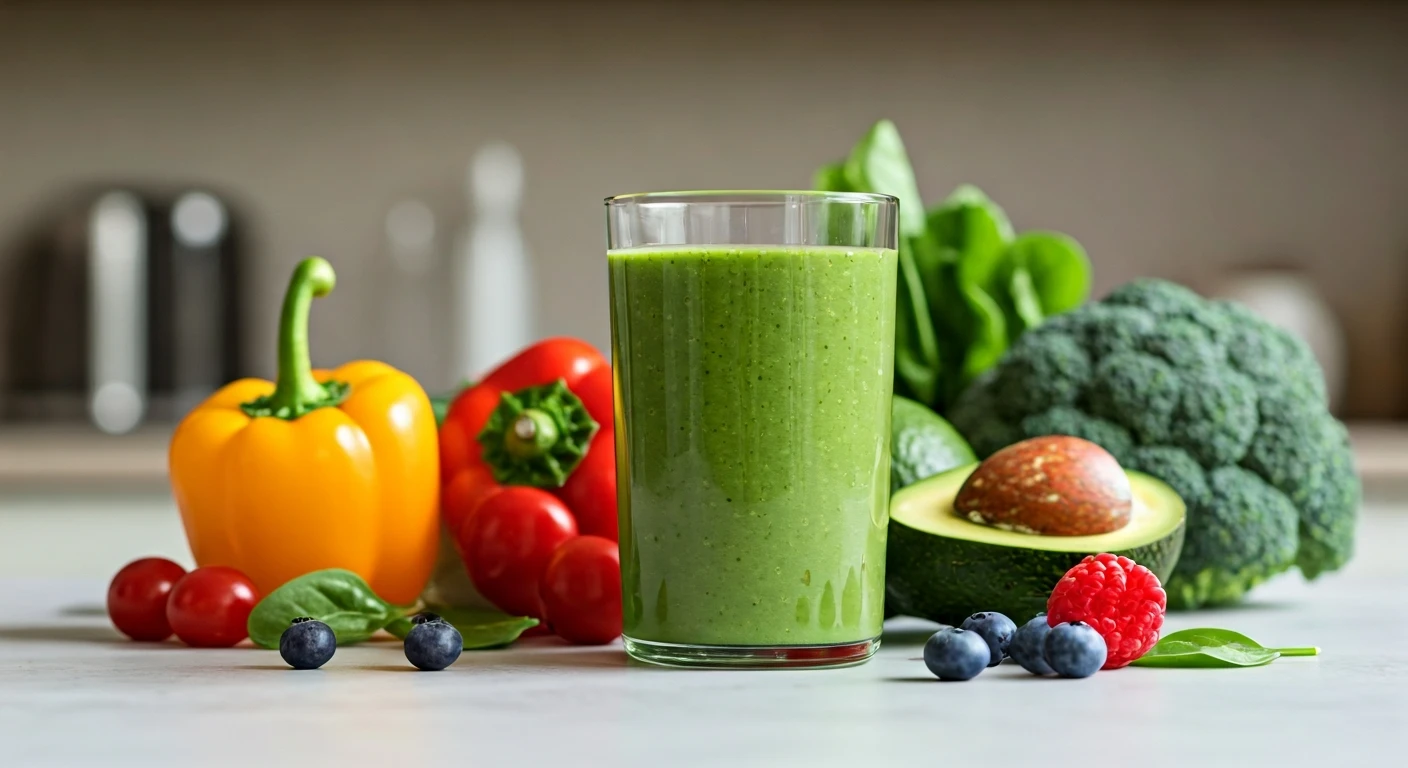
The perception of satisfaction is closely tied to the expected quantity of food on a plate, making the visual aspect of meals highly influential in eating behavior. Research indicates that simply altering the perceived size of food, perhaps through aeration or irregular shapes, can impact how much individuals serve themselves and subsequently consume. This insight leads to a recommendation: prioritize foods with a lower 'energy density,' meaning they contain fewer calories per gram. If the energy density of foods is reduced by approximately 30 percent, and this is done subtly while maintaining taste, people tend to consume about 30 percent fewer calories because they generally eat a consistent weight or volume. This strategy allows plates to appear full but is constructed with foods high in water and fiber content, such as soups, fruits, vegetables, beans, yogurt, and stews. These are contrasted with calorie-dense options like brownies, chips, high-fat cheeses, and spreads. Studies, including one in the _American Journal of Clinical Nutrition_, suggest that when individuals consume primarily whole or minimally processed foods, they can often eat a larger volume while ingesting fewer calories than they would on a diet of ultra-processed foods. While calorie-dense foods are not inherently problematic, consuming them requires greater attention to portion sizes. A crucial finding is that when people achieve calorie reduction through less energy-dense meals, they don't typically compensate by eating more later, a common pitfall with traditional restrictive diets. The overarching goal should not be mere calorie obsession but finding a sustainable, enjoyable eating pattern that aligns with personal preferences, acknowledging that food is a significant source of daily pleasure.