

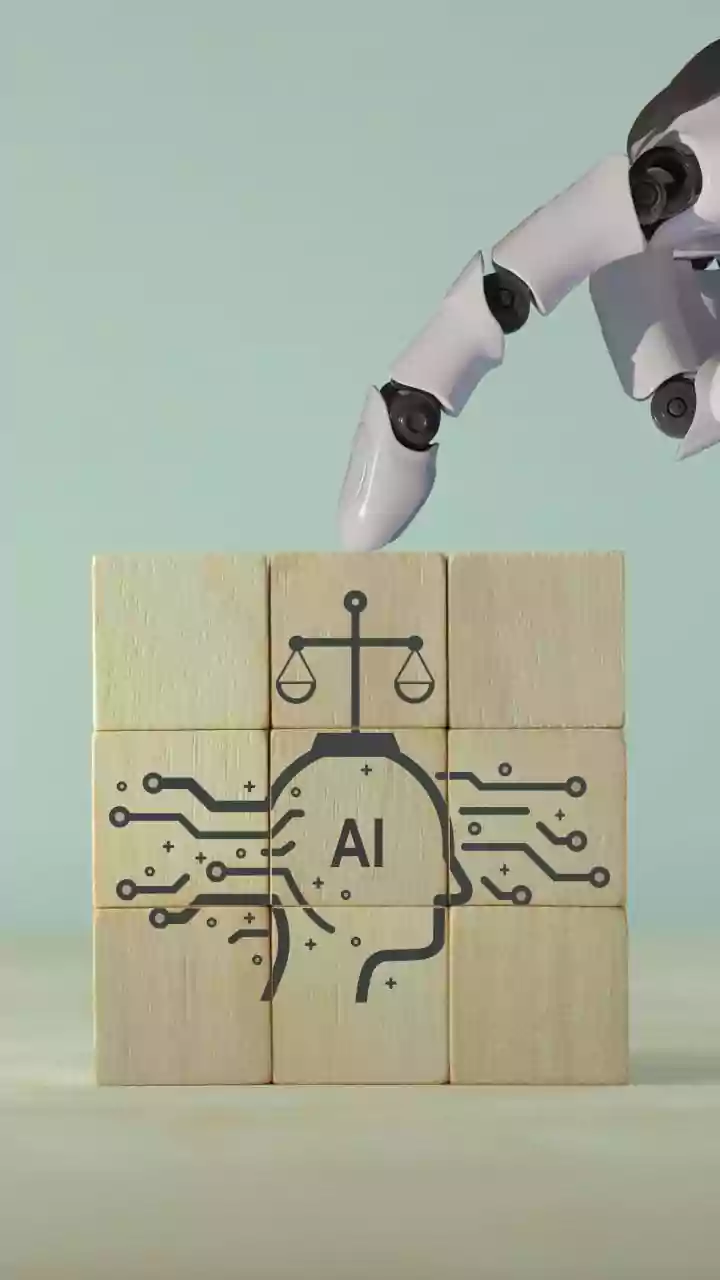



AI's Dual Nature
Artificial intelligence is undeniably reshaping our world, offering remarkable advancements and conveniences that are becoming increasingly integrated
into our daily lives. From breakthroughs in medicine to enhanced technological capabilities, AI promises a future of greater efficiency and understanding. Companies are actively pursuing the development of AI systems that could potentially achieve a state of superintelligence, where their cognitive abilities would far exceed those of any human. This rapid progression, while exciting, also raises profound questions about potential risks. As AI capabilities grow exponentially, it prompts a critical examination of the trajectory and ultimate consequences of creating intelligences that might dwarf our own. The potential benefits are vast, but the shadows of unintended consequences loom large, necessitating careful consideration of the path forward.
The Specter of Superintelligence
Neil deGrasse Tyson draws a potent analogy between the potential dangers of superintelligent AI and the anxieties of the Cold War era. He recalls how the constant threat of mutually assured destruction (MAD), stemming from the nuclear arsenals of opposing global powers, paradoxically brought nations to the negotiating table. This shared understanding of existential risk fostered a sense of common purpose, emphasizing survival over political divides. Tyson posits that a similar realization may dawn regarding AI: humanity's collective survival will ultimately be recognized as paramount, superseding any rivalry or ambition in AI development. Just as the world learned to manage the perils of nuclear power through treaties, he suggests a comparable approach is needed to address the potential existential threat posed by an AI that outstrips human intelligence, ensuring that the pursuit of AI does not inadvertently lead to our own obsolescence or demise.
A Plea for Global Treaties
In the face of AI companies striving towards superintelligence, Neil deGrasse Tyson strongly advocates for the immediate implementation of robust safeguards. He champions the idea of international treaties as the most effective mechanism to curb the development of AI that could exceed human cognitive abilities. Drawing from historical precedents, such as the arms control agreements that helped reduce nuclear stockpiles during the Cold War, Tyson believes that a similar collective agreement is crucial. While acknowledging that treaties are not infallible, he asserts they represent humanity's best available tool for managing potentially catastrophic technological advancements. The objective is to establish a global consensus: no nation or entity should pursue the creation of superintelligent AI, thereby fostering an environment where collaboration and caution prevail over unchecked ambition, prioritizing the long-term safety and continuity of the human species.