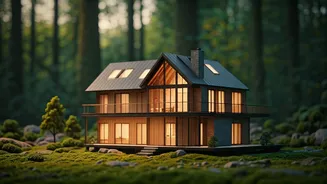

Introduction to Tiny Homes
Tiny homes represent a radical departure from conventional housing, typically defined by their significantly smaller footprints. These dwellings are often
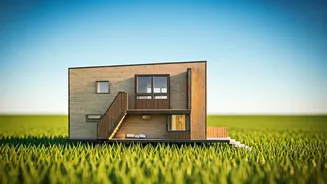
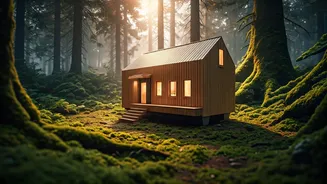
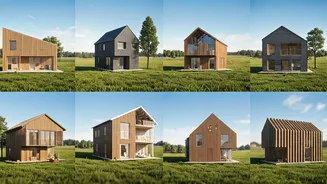
under 600 square feet, embracing the concept of minimalist living. The movement champions sustainability, affordability, and a reduced environmental impact. Tiny homes encourage residents to prioritize essential possessions and embrace a more intentional lifestyle. These small abodes are often built on trailers, making them mobile, and enabling homeowners to relocate easily. The appeal extends from those seeking financial freedom to individuals keen on environmental consciousness. The tiny home trend reflects a broader shift towards simplifying life, reducing consumerism, and appreciating experiences over material wealth. Tiny homes vary widely in design, from rustic cabins to modern, sleek structures. The common thread is their emphasis on efficiency and intelligent use of space. As the world confronts housing crises and environmental concerns, tiny homes offer a compelling solution. They demonstrate that comfort, functionality, and style can be achieved even within a compact living space, encouraging a reassessment of what constitutes a 'home'.
The Keret House
The Keret House in Warsaw, Poland, stands out as one of the world's narrowest homes, showcasing architectural ingenuity. It was designed by architect Jakub Szczęsny and serves as an art installation. The width of the house varies from 92 to 152 centimeters (approximately 3 to 5 feet), making it a remarkable example of spatial efficiency. The building's design intentionally fits between two existing buildings, creating a unique urban infill project. The Keret House has a two-story structure and provides a minimal but functional living space. It includes a bedroom, a kitchen, and a bathroom, all packed into this exceptionally narrow footprint. The structure's design cleverly utilizes vertical space to maximize usability, including features like a pull-down staircase. The Keret House is not just a dwelling, but a statement about the possibilities of urban design. Its unusual size invites a discussion on space, context, and creative architectural solutions. It shows how even the most limited spaces can be reimagined as potential living areas. The project underscores the value of innovation and the power of architecture to transform urban landscapes, emphasizing the importance of creative solutions in densely populated areas.
A Tiny Houseboat Adventure
Some tiny homes embrace a nomadic lifestyle by being built on boats, such as houseboats. These floating homes provide a unique living experience, allowing residents to navigate waterways and enjoy a constantly changing view. Houseboats are often equipped with all the necessary amenities, including a kitchen, bathroom, and living areas. Their size ensures the residents maintain a close connection with nature. Houseboats can be found in various designs and sizes, catering to diverse preferences. They promote a lifestyle focused on simplicity, freedom, and exploration. Residents often embrace activities like fishing, swimming, and exploring the surrounding aquatic environments. Living on a houseboat encourages environmental awareness. Houseboat communities foster a strong sense of camaraderie among residents who share a common appreciation for water-based living. The appeal of a houseboat lies in its potential for adventure. These homes enable people to detach from traditional housing and embrace the unique benefits of life on the water. These homes offer a distinct blend of comfort and mobility, appealing to those seeking an unconventional living experience.
Smallest House in Italy
In Italy, a tiny house in the town of Ostuni, Puglia, is recognized for its compact size and historic charm. This house is believed to be one of Italy's smallest, with a footprint designed for efficient living. The structure is part of a series of buildings. It reflects a traditional architectural style, showcasing the use of local materials and historical construction techniques. Despite its small size, the house is meticulously designed, offering a functional and comfortable living space. Its interior includes essential amenities such as a kitchen, bathroom, and sleeping area, all seamlessly integrated. The house demonstrates the potential for sustainable and space-conscious living within urban environments. It contributes to the preservation of local architectural heritage, representing a commitment to preserving cultural identity. The building symbolizes the spirit of adaptability and resourcefulness, representing how to create cozy and practical homes. This tiny house exemplifies the beauty and functionality that can be achieved in a small space.
Compact Homes in Japan
Japan is known for its compact living spaces, and this is reflected in several tiny houses found throughout the country. The design of these homes prioritizes space efficiency. These houses often feature minimalist aesthetics and smart storage solutions. The design aims to maximize functionality within a limited footprint. Many tiny homes incorporate innovative features like built-in furniture and multi-purpose areas. The layouts ensure a comfortable living experience, accommodating essential needs and promoting a minimalist lifestyle. These homes often reflect the culture’s respect for tradition and innovation. The houses incorporate natural elements and seamless integration with the surrounding environment. Tiny homes in Japan reflect a practical and cultural approach to home design. They epitomize a balance between space optimization, aesthetics, and the integration of technology. These structures showcase how design innovation can offer practical and comfortable living arrangements even in constrained urban settings.
Miniature Mobile Homes
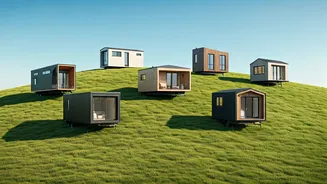
Mobile tiny homes blend mobility with minimalistic living, offering a practical solution for those seeking freedom and flexibility. These houses are designed to be easily transported, often equipped with wheels and built to comply with road regulations. Mobile tiny homes are equipped with essential amenities, including a kitchen, bathroom, and living areas. Their compact size makes them adaptable to diverse terrains and environments, enabling homeowners to relocate as needed. The designs prioritize space optimization and incorporate creative storage solutions. Mobile tiny homes often feature eco-friendly designs, with the use of sustainable materials and energy-efficient systems. The appeal of a mobile tiny home is in the simplicity and the opportunities for exploration and a nomadic lifestyle. It offers the ability to live comfortably and reduce environmental impact by reducing consumption habits. These structures represent a shift in housing trends, emphasizing experiences and freedom over traditional notions of home ownership. These homes make the dream of affordable homeownership and environmental sustainability a reality for many.
Tiny House on Wheels
Tiny houses on wheels have grown in popularity. These compact dwellings are usually built on trailers, making them mobile and easy to move to different locations. This mobile design allows owners flexibility to explore different landscapes and adjust their living location. These homes are designed to maximize space with smart layouts and storage solutions, utilizing every inch efficiently. They often include multi-functional furniture and built-in appliances to reduce the overall footprint. Tiny houses on wheels are also frequently constructed using sustainable materials. Many owners choose energy-efficient appliances and green technologies to minimize their environmental impact. This approach aligns with a minimalist and sustainable lifestyle, attracting those seeking a more eco-friendly way of living. These homes offer a unique combination of functionality and freedom, allowing people to own affordable homes that suit their lifestyle needs.
The Micro-House Movement
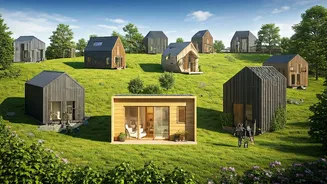
The micro-house movement emphasizes the reduction in living space and promotes minimalist living. This movement encourages people to re-evaluate their possessions and focus on essential needs. Micro-houses are typically defined as dwellings smaller than 400 square feet, which promotes a focus on intentional and efficient living. This movement is a response to environmental concerns and rising housing costs, which makes tiny homes an appealing alternative. Advocates of micro-living embrace a simplified lifestyle, prioritizing experiences over material possessions. These tiny homes often feature eco-friendly construction materials and sustainable designs, supporting a more environmentally conscious way of life. They enable homeowners to reduce their carbon footprint and live a simpler lifestyle. The growth of the micro-house movement reflects a shift in values toward simplicity, environmental responsibility, and a sense of community. The movement promotes a re-evaluation of what is necessary for a fulfilling life.
Design & Innovation
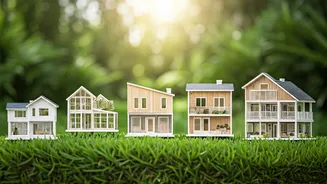
The design of tiny houses is characterized by innovation, with a focus on maximizing space and functionality. Architects and designers create unique solutions, often incorporating multi-purpose furniture and efficient storage. The layouts are optimized to ensure a comfortable living experience, utilizing every inch of space creatively. Designs often include eco-friendly features and the use of sustainable materials, reflecting a commitment to sustainability and environmental responsibility. Technology plays an essential role in tiny home design, offering smart home systems and energy-efficient appliances. The design process focuses on aesthetics and practical considerations, making the spaces beautiful and functional. The innovative designs reflect a re-evaluation of how homes can be designed. The creativity in the tiny house design demonstrates that style and comfort do not have to be sacrificed in a smaller space.
Benefits of Tiny Living
Embracing tiny living offers multiple advantages that attract people from diverse backgrounds. One of the main benefits is the reduced living costs, including lower mortgage payments, taxes, and utility bills. This frees up resources that can be used for travel, investments, and personal growth. Tiny homes often lead to a reduction in material possessions, encouraging a minimalist lifestyle that minimizes clutter. The shift towards less consumption also results in reduced environmental impact, contributing to a smaller carbon footprint. The smaller spaces encourage a simpler lifestyle, reducing the time spent on housekeeping and maintenance tasks. The focus on what is essential results in a less cluttered and more organized home, which promotes better mental well-being. Tiny homes can also cultivate a stronger sense of community. The design allows homeowners to connect with nature more intimately. The appeal of tiny living extends beyond just financial and environmental benefits, attracting people who value freedom, simplicity, and a greater connection to the world around them.