





Mindful Pedal Control
The clutch and gearbox are vital, yet often stressed, parts of any vehicle, with their durability heavily influenced by how you drive. In congested city
environments, where stop-and-go traffic and frequent gear changes are the norm, these components face constant pressure. Incorrect driving behaviours, such as dwelling on the clutch pedal, selecting the wrong gear, or accelerating too aggressively, can dramatically shorten their service life and lead to expensive failures. Understanding the mechanics of your clutch and transmission, and consciously adopting gentler operational habits, is key to minimizing strain, optimizing performance, and improving fuel efficiency. Let's explore straightforward methods to reduce wear and tear, ensuring your vehicle remains in top condition and reducing long-term ownership expenses.
Avoid 'Riding' The Clutch
One of the most detrimental habits for your clutch is 'riding' it, which means keeping the pedal even slightly depressed while driving. This action creates continuous friction between the clutch plates, preventing them from fully engaging. Such persistent friction generates excessive heat and accelerates wear significantly, drastically reducing the clutch's lifespan. To avoid this, ensure you completely release the clutch pedal after each gear change. The pedal should only be pressed down when you intend to shift gears. Similarly, refrain from using the clutch unnecessarily when slowing down or coasting. Your vehicle's design allows for deceleration while remaining in gear, and the resulting engine braking naturally eases the load on both the clutch and the conventional brakes, contributing to their longevity.
Smooth Gear Transitions
Abrupt or forceful gear changes can inflict considerable damage on the intricate internal mechanisms of your gearbox. Each shift should be a deliberate and smooth action, executed at the appropriate engine speed for the current driving condition. For instance, violently slamming the gear lever into place or attempting to force a stubborn gear can stress synchromesh rings and other delicate components, leading to premature wear or breakage. By carefully observing your tachometer and selecting gears that align with your vehicle's speed and the demands of the road, you significantly reduce the mechanical stress on the entire drivetrain. This practice not only preserves your gearbox but also contributes to a more refined and comfortable driving experience.
Mastering Inclines
Holding your vehicle stationary on an incline using the clutch pedal is an extremely damaging practice that places immense, continuous pressure on the clutch plates. This constant struggle against gravity generates significant heat, leading to rapid wear and potential burnout of the clutch. The correct and safe method is to utilize the vehicle's parking brake or foot brake to maintain your position on an incline. Once you are ready to move off, apply the foot brake smoothly, engage the clutch gently until you feel the biting point, and then gradually release the brake pedal as you apply accelerator pressure. This controlled engagement prevents unnecessary slipping and preserves the integrity of your clutch assembly.
Hands Off Lever
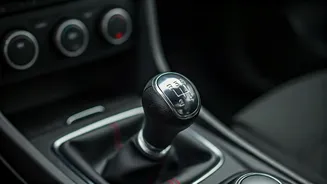
It might seem like a minor action, but resting your hand on the gear lever while driving can have detrimental long-term consequences for your gearbox. Even a light touch exerts subtle but constant pressure on the internal shift forks and linkages within the transmission. Over extended periods, this continuous force can cause abnormal wear on these components, potentially leading to premature failure or a less precise gear-shifting feel. The gear lever is designed solely for the purpose of changing gears. Once a gear is selected, your hand should be returned to the steering wheel or another appropriate resting place, allowing the internal mechanisms to be free from undue stress.
Anticipate Traffic Flow
Navigating stop-and-go traffic conditions requires a heightened awareness of your surroundings and the overall flow of traffic. Constant engagement and disengagement of the clutch in dense traffic situations significantly accelerates wear on clutch components. By maintaining a greater distance from the vehicle ahead, you gain valuable time to anticipate changes in speed and traffic patterns. This foresight allows for smoother deceleration, reducing the need for abrupt braking and, consequently, minimizing the number of clutch operations. Proactively observing traffic allows for more gradual speed adjustments and fewer gear changes, leading to a less stressed drivetrain and improved fuel economy.
Routine Checks Matter
Regular maintenance and diligent fluid level checks are fundamental to ensuring the optimal performance and longevity of your gearbox and clutch system. The transmission fluid plays a critical role in lubricating moving parts, dissipating heat, and facilitating smooth gear engagement. Adhering to the manufacturer's recommended service intervals for gearbox oil changes is crucial. Furthermore, periodically inspecting the clutch system for any signs of leaks or damage can help identify potential issues before they escalate into major problems. Catching minor concerns early through attentive maintenance can prevent extensive and costly repairs down the line.
Heed Warning Signs
Your vehicle will often communicate its needs through subtle cues. Paying close attention to these signals is vital for preventing serious and expensive clutch and gearbox issues. Be alert for any difficulty you experience when trying to shift gears; this could indicate problems with the clutch linkage or internal synchronization. Unusual noises emanating from the transmission, such as grinding, whining, or clunking sounds, should never be ignored. A slipping clutch, where the engine revs increase without a corresponding increase in vehicle speed, is another critical indicator. Finally, the presence of a burning smell, often associated with an overheating clutch, signals an urgent need for inspection. Promptly addressing these warning signs through professional examination can avert catastrophic failures and significant repair bills.